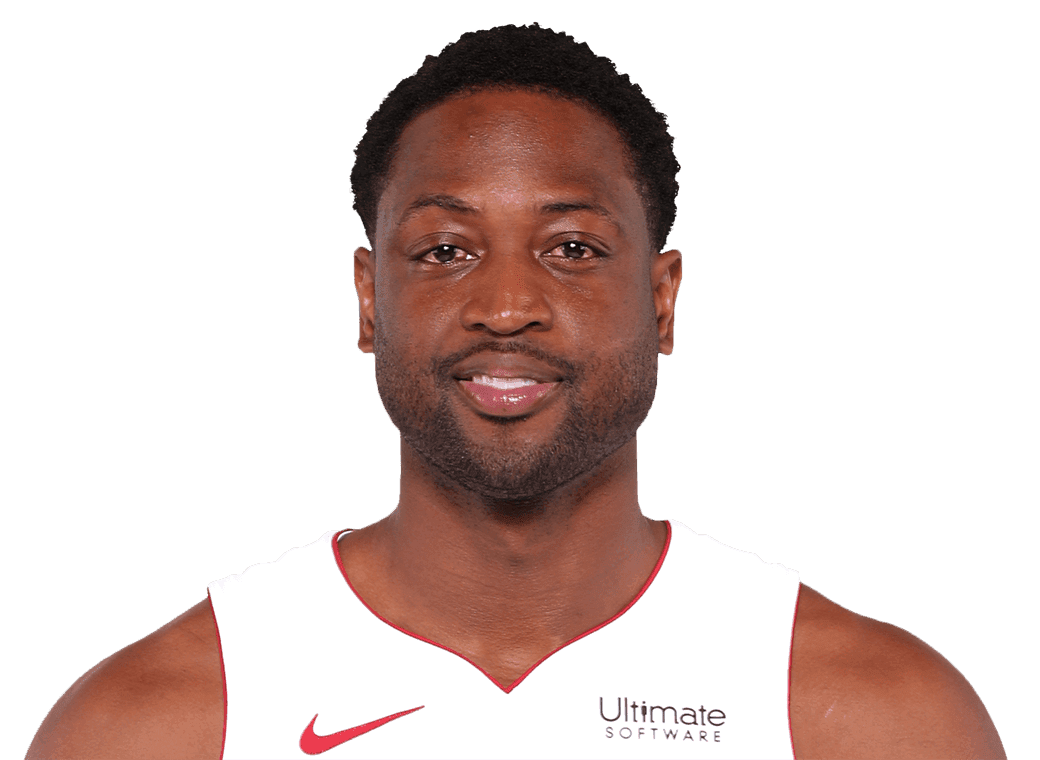
Dwyane Wade spent 16 seasons as the most important player in Miami Heat history — a scorer, a leader, and the soul of everything the franchise built. The retirement of his #3 in 2020 was the formality that confirmed what South Florida already knew.
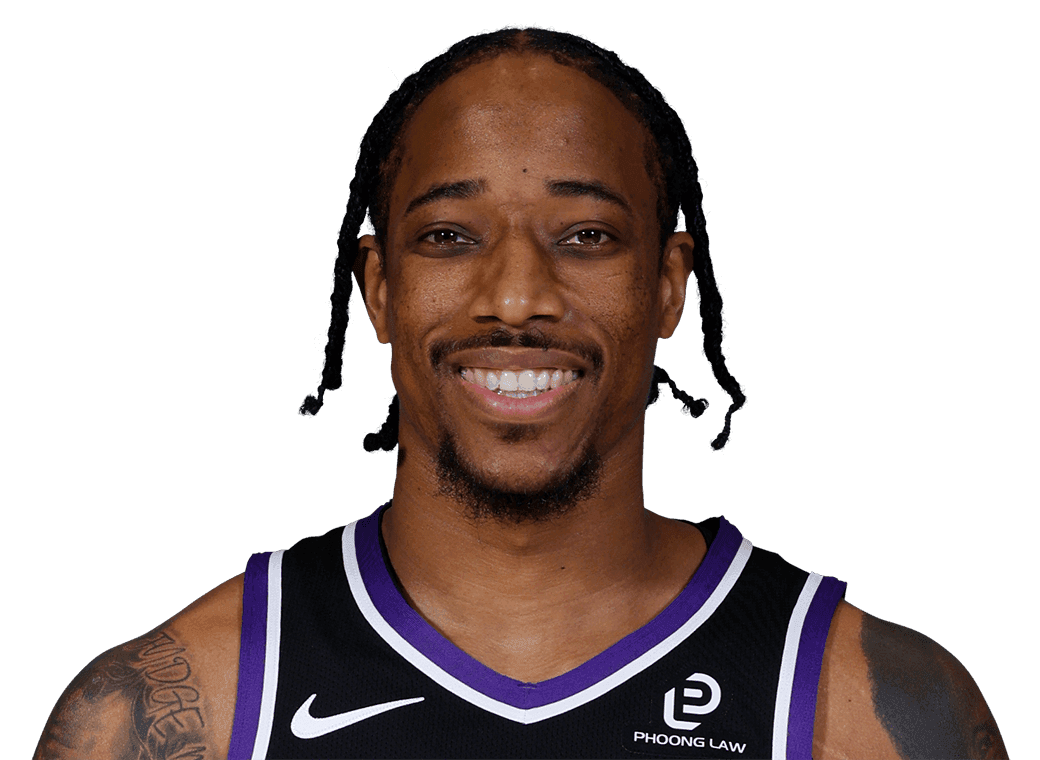
DeMar DeRozan never won a championship in Toronto. He didn't have to. What he gave the Raptors was something more foundational — a reason to keep believing during the years when believing was hard.
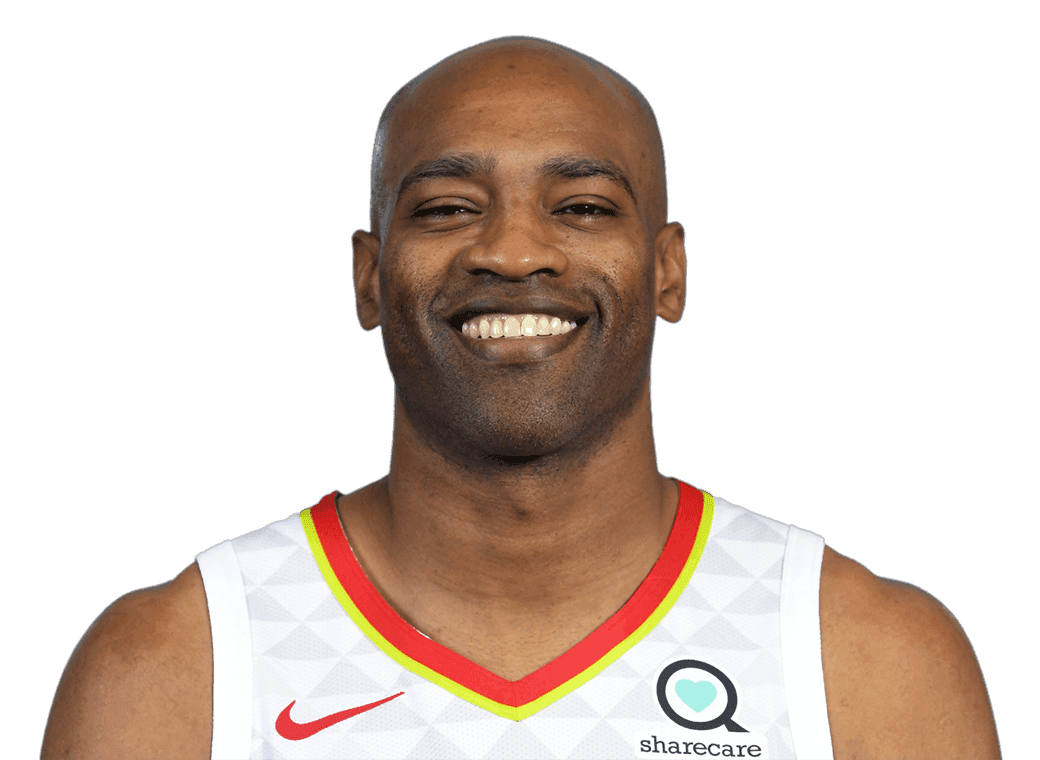
On November 2, 2024, the Toronto Raptors retired the first jersey number in franchise history. They chose #15. They chose Vince Carter. It was the only choice that made sense.
Nate Thurmond played just two seasons in Cleveland, but his Hall of Fame presence transformed the Cavaliers into a legitimate playoff contender and fueled the legendary Miracle of Richfield.
Selected first overall in 1986, Brad Daugherty became the most complete center the Cleveland Cavaliers had ever seen — a five-time All-Star whose career was cut short by injury at age 28.
Mark Price was among the best point guards in the NBA from 1988 to 1994 — a leader who combined elite shooting with precise decision-making and led the Cavaliers to their most successful decade before LeBron.
The first overall pick in 1971, Austin Carr spent a decade building the foundation of an expansion franchise and earning a nickname that would outlast any statistic: Mr. Cavalier.
Bingo Smith wore #7 for nine seasons and helped build the identity of an expansion franchise. His retirement was earned across nearly a decade of being Cleveland's most reliable wing player.
Larry Nance was the most explosive athlete to wear a Cavaliers uniform before LeBron, combining acrobatic finishing with elite shot-blocking that defined Cleveland's best teams of the early 1990s.
No team had ever come back from a 3-1 deficit in the NBA Finals. The 2016 Cleveland Cavaliers did it against a 73-win Warriors team to end a 52-year Cleveland sports drought.
Red Holzman won 613 games as Knicks head coach and two NBA Championships. The number the Garden retired for him is not a jersey number — it is his win total. No tribute could be more fitting.
The Knicks' #15 honors two very different players from two very different eras — Dick McGuire, the franchise pioneer, and Earl Monroe, the Pearl who completed a dynasty.
Dick Barnett was the quietest of the championship Knicks — the shooting guard who guarded, scored, and anchored with a professionalism that two championship banners vindicate completely.
Bill Bradley turned down the Yankees, studied at Oxford, and then played basketball with a precision that made the championship Knicks complete. His #24 honors a player who brought a philosopher's mind to the Garden.
Dave DeBusschere was a two-sport professional, a player-coach at 24, and the defensive cornerstone of two Knicks championships. His #22 honors the man who made the whole thing possible.
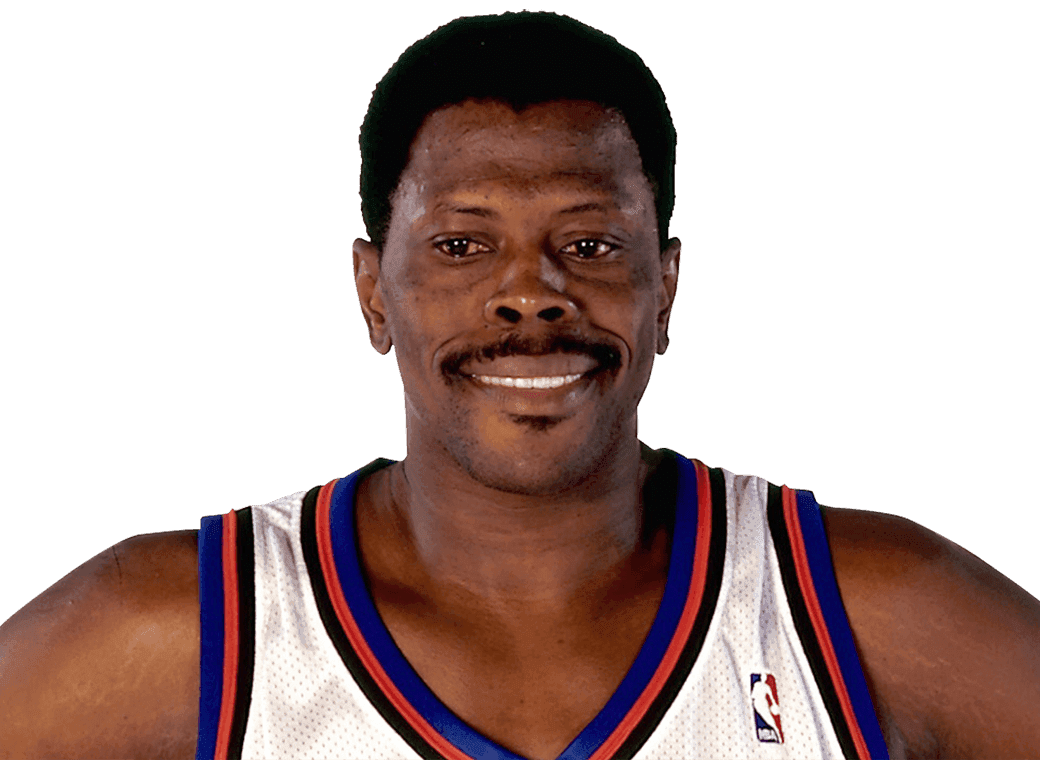
Patrick Ewing gave 15 seasons to New York without a championship — and his #33 still hangs from the Garden rafters. The case for retiring a number is rarely so clear.
Willis Reed's #19 represents the most iconic moment in Madison Square Garden history — a limping captain who willed a franchise's first championship into existence on one leg.
Sam Lacey anchored the Kings' frontcourt for twelve seasons through their most transitional years. His #44 honors the loyalty, durability, and professionalism of a player who gave everything to a franchise across three different cities.
Pete Maravich never wore a Pelicans uniform. He played in New Orleans from 1974 to 1979, when the city had a team called the Jazz. But number 7 hangs retired in the Smoothie King Center — because some legacies belong to a city, not a franchise.