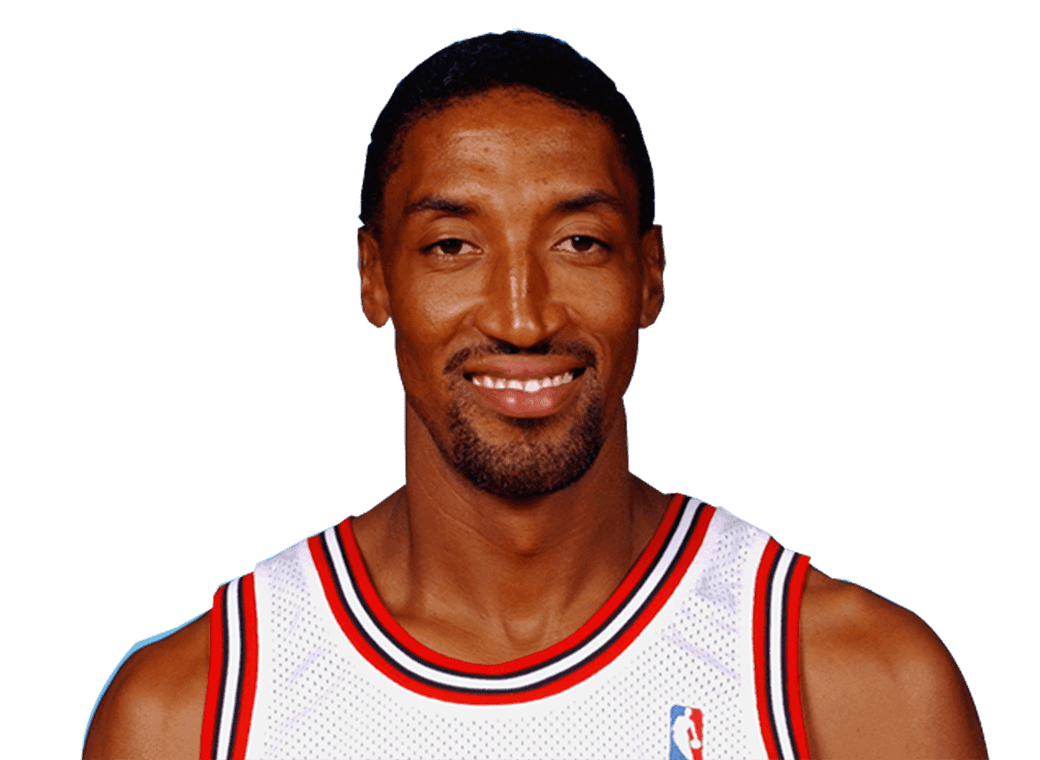
Scottie Pippen is the greatest example in basketball history of what it means to be exactly what your team needs. Without Pippen's #33, there is no second three-peat, no dynasty mythology, and arguably no six championships at all.
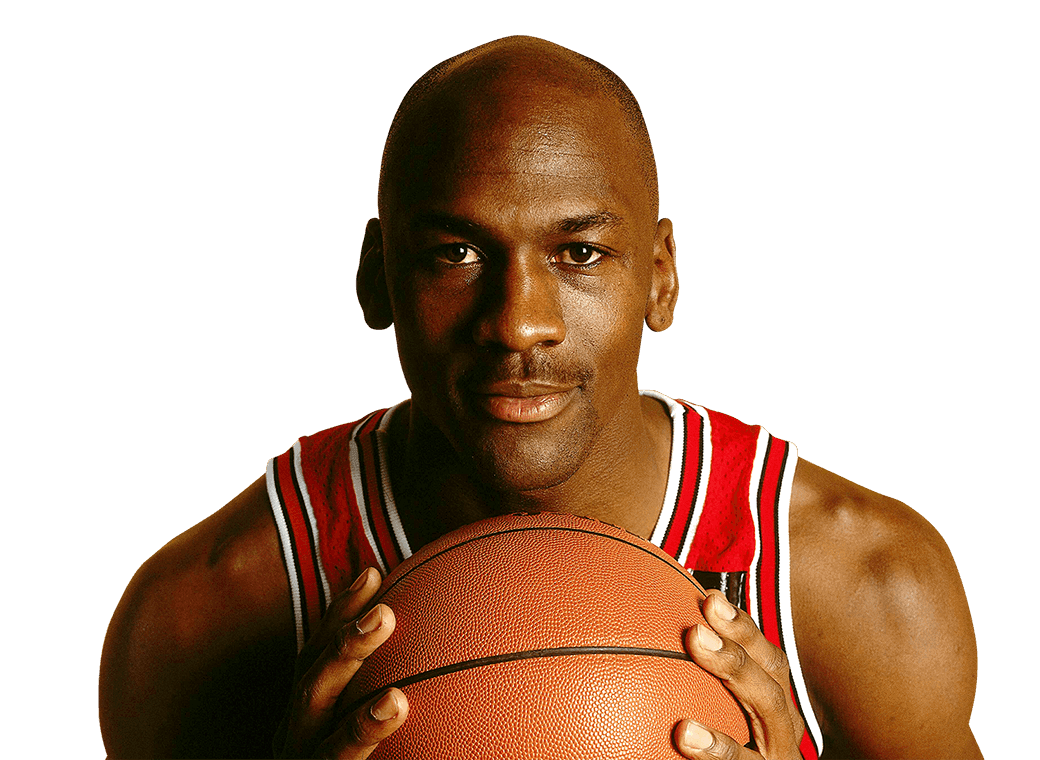
Michael Jordan's #23 is the most famous number in basketball history. Six championships, six Finals MVPs, five regular-season MVPs, and a cultural transformation that turned the Chicago Bulls into the most recognized sports brand on earth.
Bob Love was the Chicago Bulls' first great offensive player — a jump-shooting artist who averaged 21 points a game and made three All-Star teams. But the story of why the Bulls retired his #10 has as much to do with what happened after basketball as during it.
Before Michael Jordan, before the championships, before the global phenomenon — there was Jerry Sloan. The toughest, most relentless player in Bulls history wore #4 for ten seasons and built the defensive identity that would one day win six titles.
Drazen Petrovic's #3 hangs in the Nets' rafters as a monument to the Mozart of Basketball — a Croatian pioneer who proved European players belonged in the NBA, then died at 28 just as he was becoming one of its finest.
Ray Allen gave Milwaukee seven seasons of elite shooting, five All-Star appearances, and the 2001 ECF run — and Giannis wears his retired #34 today. Why both honors make sense.
Bob Lanier brought Hall of Fame interior presence to Milwaukee's 1980s contending teams — eight All-Star appearances and the largest feet in NBA history.
Sidney Moncrief won back-to-back Defensive Player of the Year awards and averaged 20+ PPG three straight seasons. Milwaukee's greatest two-way guard belongs in basketball's conversation with the best at his position.
Jon McGlocklin was the original Milwaukee Buck — present before Kareem, essential during the 1971 championship, and a community pillar for decades after basketball ended.
Oscar Robertson waited his entire career for an NBA championship. He got it in Milwaukee in 1971 — orchestrating the most dominant Finals sweep in Bucks history.
Kareem Abdul-Jabbar gave Milwaukee six seasons, three MVP awards, and the franchise's only championship before departing for LA. Why #33 belongs in the rafters forever.
Lou Hudson spent 11 seasons as the Atlanta Hawks most reliable scorer — a six-time All-Star whose fluid, effortless game earned him the nickname Sweet Lou and a retired #23 that honors a decade of professional excellence.
Dominique Wilkins gave Atlanta 12 seasons of electrifying basketball — a scoring title, two Slam Dunk championships, and a 47-point playoff game that left the city heartbroken and in awe. His #21 tells the story of a franchise icon who was never adequately rewarded.
Bob Pettit scored 50 points in Game 6 to win the 1958 NBA championship — the only title in franchise history. His #9 hangs in the rafters as proof of what one great player can accomplish on the game greatest stage.
In 2003, the Miami Heat made the rare gesture of retiring a number for a player who never wore their uniform — honoring Michael Jordan's #23 as a tribute to basketball's greatest player.
Tim Hardaway's killer crossover and relentless playmaking made Miami a playoff powerhouse in the late 1990s, earning him a permanent place in franchise history.
Chris Bosh sacrificed individual stardom to become the critical third piece of Miami's Big Three, earning back-to-back championships before blood clots ended his career prematurely.
Alonzo Mourning overcame kidney disease and a transplant to win the 2006 championship with Miami, earning two Defensive Player of the Year awards and a place in the Hall of Fame.