This page contains affiliate links. We may earn a commission if you purchase through these links, at no extra cost to you. As an Amazon Associate I earn from qualifying purchases.
Ball handling is not about flashy crossovers — it is controlling the ball while reading the defense and making decisions under pressure, and a tight handle with good vision beats fancy moves with tunnel vision every time. This guide progresses through three phases, each drill paired with the game situation it prepares you for. Weeks 1-2 build stationary control with the pound series (hard waist-height dribbles for ball protection against pressure), figure-8s, and one-knee dribbling for soft touch in traffic. Weeks 3-6 add movement: the cone weave for breaking down defenders in the half court, two-ball dribbling — the single best weak-hand developer — and tennis-ball reaction for controlling the ball without looking. Week 7 onward moves to game-speed decision-making with live 1-on-1 from triple threat, full-court pressure handling, and the chair drill. A 15-minute daily routine consolidates the work; most players notice a tighter handle within two weeks.
Related: 5 Ball Handling Drills Used by NBA Trainers
Foundation: Stationary Control (Week 1-2)
Pound Series
Stand in athletic stance. Pound the ball hard into the floor at waist height. 30 seconds right hand, 30 seconds left, 30 seconds alternating. The ball should make a loud slap on each bounce — if it sounds soft, you are not pushing hard enough. Hard dribbles are harder to steal and give you more time between bounces to read the floor.
Figure-8s
Spread your feet shoulder-width. Wrap the ball around your right leg, through your legs, around your left leg, back through. No dribble — just passing the ball hand to hand. 30 seconds forward, 30 seconds reverse. This builds hand speed and coordination before adding the dribble.
One-Knee Dribbling
Kneel on one knee. Dribble at ankle height — as low as possible while maintaining control. 30 seconds each hand. This forces you to develop soft touch and finger control that transfers directly to low, protected dribbling in traffic.

Development: Movement + Dribble (Week 3-6)
Cone Weave (3 Variations)
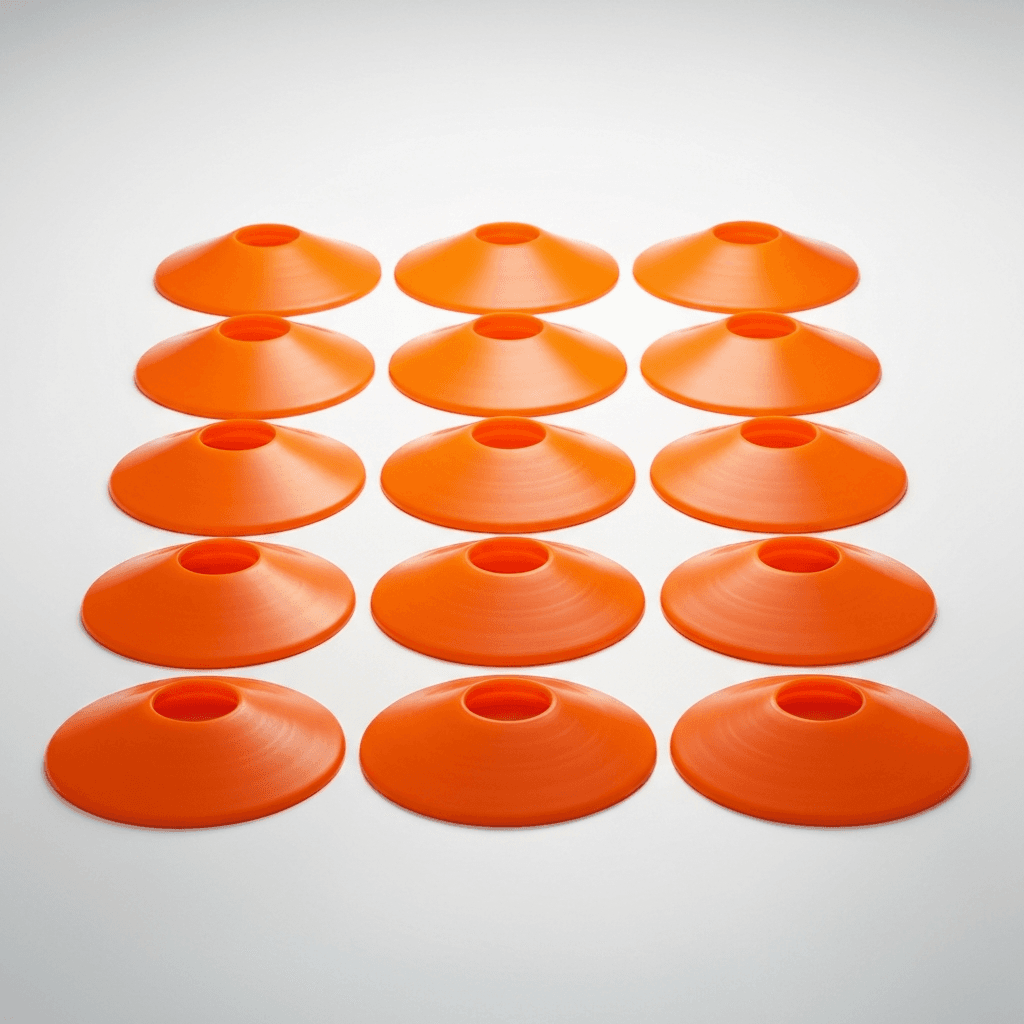
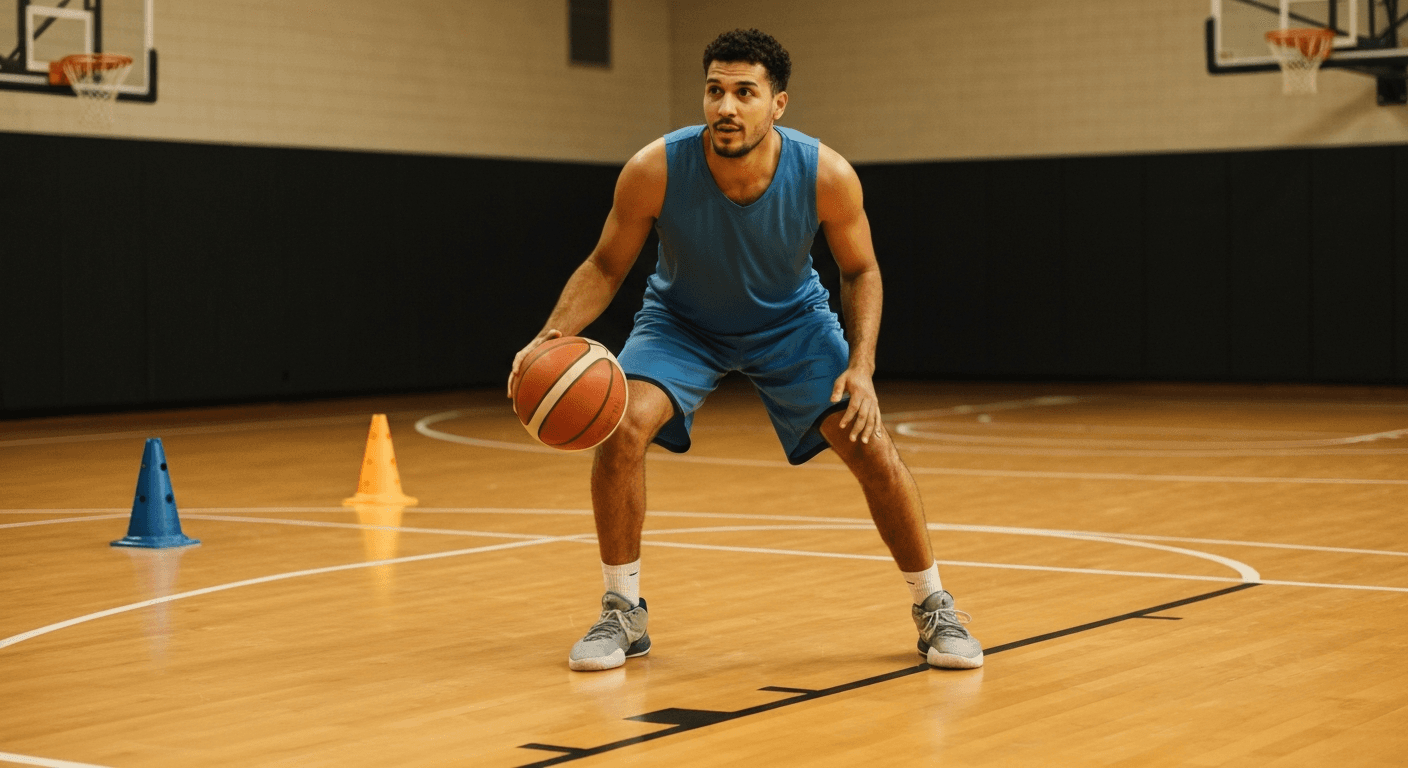
Set 5 cones in a line, 4 feet apart. Weave through using: (1) crossover only, (2) between-the-legs only, (3) behind-the-back only. Go down and back. Then repeat combining all three moves freely.
Game transfer: Breaking down defenders in the half court. Each change of direction at a cone simulates a move against a defender. Speed up only when control at the current speed is automatic.
Two-Ball Dribbling
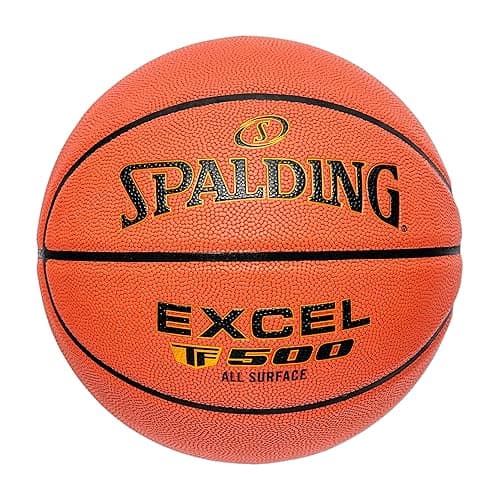
The single best drill for weak-hand development. Dribble two balls: (1) both hitting simultaneously, (2) alternating, (3) one crossing over while the other pounds. Walk the length of the court. Then jog. Your weak hand is forced to work at the same level as your strong hand — no way to cheat.
Tennis Ball Reaction
Dribble with one hand. A partner tosses a tennis ball to your free hand at random intervals. Catch and toss back while maintaining your dribble. This trains the specific split-attention skill that separates good ball handlers from great ones: controlling the ball without looking at it.
Advanced: Game-Speed Decision Making (Week 7+)
Live 1-on-1 from Triple Threat
Start at the wing in triple threat. The defender plays at 75% intensity. Read the defense: if they reach, drive. If they sag, shoot. If they overplay one side, attack the other. No set moves — read and react. This is where drills become basketball.
Full-Court Pressure Handling
A defender applies full-court pressure. You must advance the ball from baseline to half court within 8 seconds. No picking up the dribble. The pressure forces you to use changes of direction, speed changes, and retreat dribbles under stress — the exact conditions of a real press break.
Chair Drill (Decision Reads)
Place chairs at random positions between the three-point line and half court. Each chair is a defender. Dribble at game speed, reading each chair as a decision point: go left, go right, pull up, or accelerate. The randomness prevents you from memorizing a pattern — you must react to spatial awareness.
Daily Handle Routine (15 Minutes)
| Drill | Duration | Focus |
|---|---|---|
| Pound series (each hand) | 2 min | Control, force |
| Crossover-between-behind combo | 3 min | Transitions |
| Two-ball dribbling | 3 min | Weak hand |
| Cone weave (game speed) | 3 min | Game moves |
| Free dribbling (music, flow) | 4 min | Creativity |
Frequently Asked Questions
How long does it take to improve at ball handling?
The progression in this guide is built around three phases — stationary control in weeks 1-2, movement plus dribble in weeks 3-6, and game-speed decision making from week 7 onward. Most players notice tighter handle within the first two weeks of daily pound series and figure-8 work, but real game-transfer (advancing the ball under pressure, breaking down a defender at a cone) typically takes 4-6 weeks of focused practice. The Daily Handle Routine in this guide is 15 minutes; staying consistent with that 15 minutes beats sporadic 60-minute sessions every time.
What is the best ball handling drill for beginners?
Start with the Pound Series. Stand in athletic stance and pound the ball hard into the floor at waist height — 30 seconds right hand, 30 seconds left, 30 seconds alternating. The ball should make a loud slap on each bounce; if it sounds soft, you are not pushing hard enough. Hard dribbles are harder to steal and give you more time between bounces to read the floor. The Pound Series is unglamorous, but it builds the force, finger strength, and rhythm that every other drill in this guide depends on.
How do I improve my weak hand for dribbling?
Two-Ball Dribbling is the single best drill for weak-hand development. Dribble two balls — both hitting simultaneously, then alternating, then one crossing over while the other pounds. Walk the length of the court, then jog. Your weak hand is forced to work at the same level as your strong hand because there is no way to cheat by favoring one side. Add the One-Knee Dribbling drill alongside it: kneel on one knee and dribble at ankle height for 30 seconds each hand. The combination develops both force and the soft touch that protected dribbling in traffic requires.
Why does this guide emphasize hard dribbling instead of fast dribbling?
Hard dribbling reduces the time the ball is in the air and out of your control, which means defenders have a smaller window to reach in. It also gives you more time between bounces to read the floor — eyes up, finding teammates, anticipating rotations. Speed comes from force plus rhythm, not from a frantic light dribble. The Pound Series and Two-Ball Dribbling are calibrated around this principle: every prescription in the guide builds force first, and speed comes as a byproduct once control at the current level is automatic.
When am I ready to graduate from drill work to live 1-on-1?
Move to the Live 1-on-1 from Triple Threat drill once you can complete the cone weave (crossover, between-the-legs, behind-the-back) at game speed without losing the ball — usually somewhere in week 6 or 7. The signal is automaticity: if you can run the Daily Handle Routine without thinking about your hands, your nervous system has freed up bandwidth for reading the defense. In live 1-on-1, the defender plays at 75% intensity and you read what they give you — drive if they reach, shoot if they sag, attack the opposite side if they overplay. This is where drills become basketball.
Back to the main guide: Basketball Drills Practice Guide. For the right shoes for handle work, see Best Shoes for Guards.
Related guides
Enjoying this analysis?
Get more breakdowns like this delivered to your inbox.