
This page contains affiliate links. We may earn a commission if you purchase through these links, at no extra cost to you. As an Amazon Associate I earn from qualifying purchases.
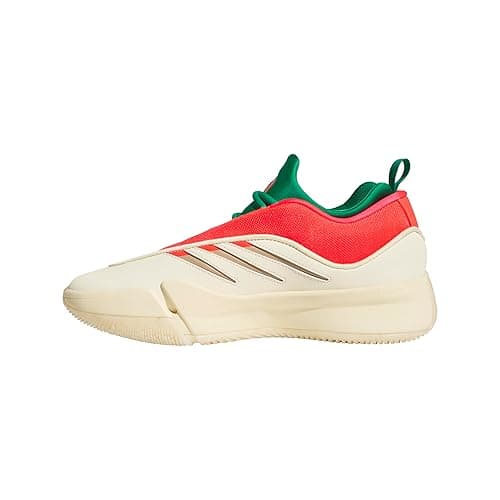
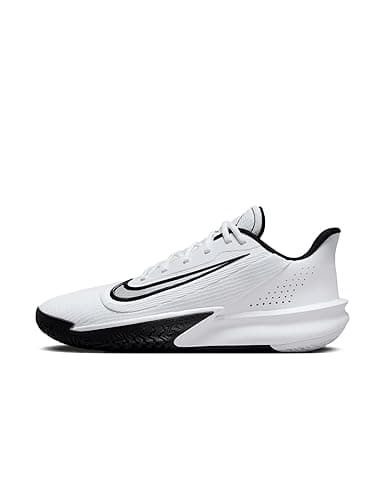
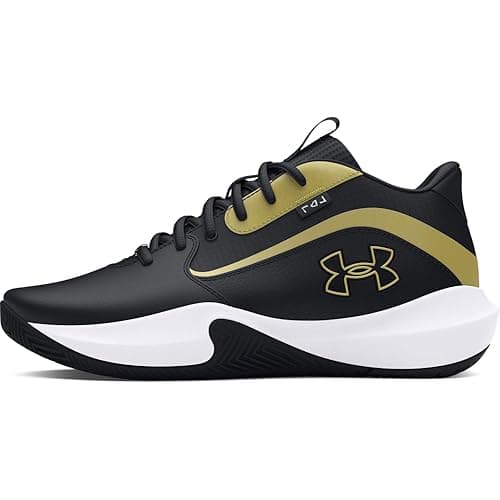
Guard play is the most demanding position for basketball footwear — an active point guard makes 40 to 60 lateral cuts per game, so the shoe is either helping or hurting on every single possession. Ranked by what guards actually need, traction responsiveness and court feel matter most, followed by lightweight construction, lateral containment, and forefoot flexibility. This guide covers four picks matched to play style. The Nike Kobe 9 Elite (~$180, 11.2 oz) is the default for primary ball handlers and perimeter lockdown defenders, keeping your center of gravity low for maximum floor feedback. The Under Armour Curry Flow 11 (~$160) is the shooter's shoe, engineered for the hard lateral plants of catch-and-shoot actions and coming off screens. The Jordan Tatum 3 (~$120) is the value play for two-way combo guards and growing high school players. The Nike Sabrina 2 (~$140, 10.8 oz) is the overlooked option for quick guards under 180 pounds who prioritize speed.
Related: Top 5 Basketball Shoes for Guards 2026
What Guards Need (Ranked by Importance)
- Traction responsiveness: Not just grip — how quickly the shoe responds when you plant and push off. A half-second of outsole delay during a crossover is a half-second your defender doesn't lose. Herringbone patterns in soft-to-medium rubber compounds provide the fastest traction response.
- Court feel: How well you can sense the floor surface through the shoe. Low-profile midsoles with minimal stack height give better court feel. This matters most during defensive slides, crossovers, and any move where proprioception determines timing.
- Lightweight construction: Every ounce adds up over 200+ possessions. The difference between an 11 oz shoe and a 14 oz shoe is roughly equivalent to strapping a small weight to each foot. Over 35 minutes of game time, heavier shoes measurably reduce vertical and lateral quickness.
- Lateral containment: The shoe must hold your foot during hard lateral cuts without squeezing it. Internal heel counters and midfoot shanks provide containment better than tight uppers — structure beats compression.
- Forefoot flexibility: Guards push off the ball of the foot on every drive, crossover, and sprint. A stiff forefoot creates a dead spot in your push-off that slows acceleration. The forefoot should flex naturally at the metatarsal line.
The Guard Shoe Lineup for 2026
1. Nike Kobe 9 Elite — The Default
Play style match: Primary ball handlers, perimeter lockdown defenders, pace-and-space guards
The Kobe line has been the NBA's most popular guard shoe for over a decade, and the 9 Elite continues that for good reason. The design philosophy has always been the same: get the foot as close to the floor as possible while providing just enough cushion to protect joints.
The Zoom Air unit sits in a low-profile midsole that keeps your center of gravity close to the surface. During defensive slides — where you need to feel the floor's friction to know exactly how hard you can push laterally — the Kobe provides feedback that thicker midsoles absorb entirely. You feel changes in court surface (a slightly dusty spot, a wet patch from sweat) through the outsole, which lets you adjust before you slip.
The herringbone traction pattern is dense and multidirectional, gripping equally well on forward drives, lateral slides, and backward retreats. The rubber compound is softer than outdoor shoes — optimized for grip on polished hardwood rather than durability on rough surfaces.

The tradeoff: Minimal cushion means more impact on joints over time. If you're over 200 lbs or have a history of knee issues, the Kobe may not provide enough impact protection for extended play.
Price: ~$180 | Weight: 11.2 oz | Shop on Amazon
2. Under Armour Curry Flow 11 — The Shooter's Shoe
Play style match: Off-ball movement specialists, catch-and-shoot guards, players who run through screens constantly
The Curry Flow 11 diverges from the typical point guard shoe. Instead of optimizing for ball-handling court feel, it's engineered for the specific biomechanics of a shooting guard: hard lateral plants on catch-and-shoot actions, sudden stops coming off screens, and the controlled balance needed during shooting motion.
The UA Flow foam (no traditional rubber outsole) provides a distinctive court connection. The foam itself IS the outsole, which eliminates the dead space between rubber and midsole that exists in traditional constructions. On clean courts, the grip is exceptional — the foam compound has an almost tacky quality.

The midfoot shank provides torsional rigidity that prevents the shoe from collapsing during hard plants. When you come off a screen, plant your outside foot, and square up to shoot, the shoe holds your foot in position rather than allowing the lateral roll that disrupts shooting mechanics.
The tradeoff: The no-rubber outsole degrades faster on dusty courts. If your gym doesn't get mopped regularly, you'll wipe the bottom of these shoes every few possessions. The narrow fit also makes these a poor choice for wider feet.
Price: ~$160 | Weight: 11.8 oz | Shop on Amazon
3. Jordan Tatum 3 — The Value Play
Play style match: Two-way combo guards, high school and college players, anyone who needs versatility on a budget
At $120, the Tatum 3 delivers roughly 85% of what the Kobe offers at 67% of the price. The Air Strobel construction gives a cushioned ride that sits lower than traditional foam midsoles but higher than the Kobe's minimal stack. It's the practical middle ground.
Where the Tatum 3 excels for guards is versatility. The outsole pattern handles both drives and defensive slides effectively. The weight (12.1 oz) is light enough for guard play. The containment system holds during lateral cuts without the vice-grip tightness that some Nike models create.

For younger players — high school and college guards who play significant minutes and are still growing into their game — the Tatum 3 provides enough performance ceiling to not limit development while being affordable enough to replace when it wears out.
The tradeoff: Court feel is a step below the Kobe. The additional midsole material that provides comfort also reduces the floor feedback that elite ball handlers rely on. If court feel is your top priority, the Kobe is still the better choice.
Price: ~$120 | Weight: 12.1 oz | View on Jordan.com
4. Nike Sabrina 2 — The Overlooked Option
Play style match: Quick guards under 180 lbs, players who prioritize speed and agility over impact protection
Sabrina Ionescu's second signature shoe is marketed toward women's basketball but built on performance specs that work for any guard under 180 lbs. The shoe is ultralight (10.8 oz), sits extremely low to the ground, and uses a Zoom Air unit tuned for lighter athletes.

The traction is excellent on indoor courts. The outsole pattern handles the multidirectional movement of guard play well, and the rubber compound grips aggressively on clean hardwood. For smaller, quicker guards, the Sabrina 2 provides court feel comparable to the Kobe at $40 less.
The tradeoff: The cushion system is tuned for lighter players. Over 180 lbs, the Zoom Air unit may bottom out during hard landings. The sizing also runs slightly smaller than men's Nike — check conversion charts before ordering.
Price: ~$140 | Weight: 10.8 oz | Shop on Amazon
Guard Shoe Comparison
How to Choose
Start with your play style, not the brand:
- Primary ball handler → court feel matters most → Kobe 9 Elite
- Off-ball shooter/screen runner → lateral plant stability → Curry Flow 11
- Two-way combo guard / budget → versatility → Tatum 3
- Quick, lightweight guard → speed advantage → Sabrina 2
For recommendations across all positions, see our Best Basketball Shoes 2026: Position-by-Position Guide. For budget options, check Best Basketball Shoes Under $100.
Related guides
Enjoying this analysis?
Get more breakdowns like this delivered to your inbox.