
This page contains affiliate links. We may earn a commission if you purchase through these links, at no extra cost to you. As an Amazon Associate I earn from qualifying purchases.
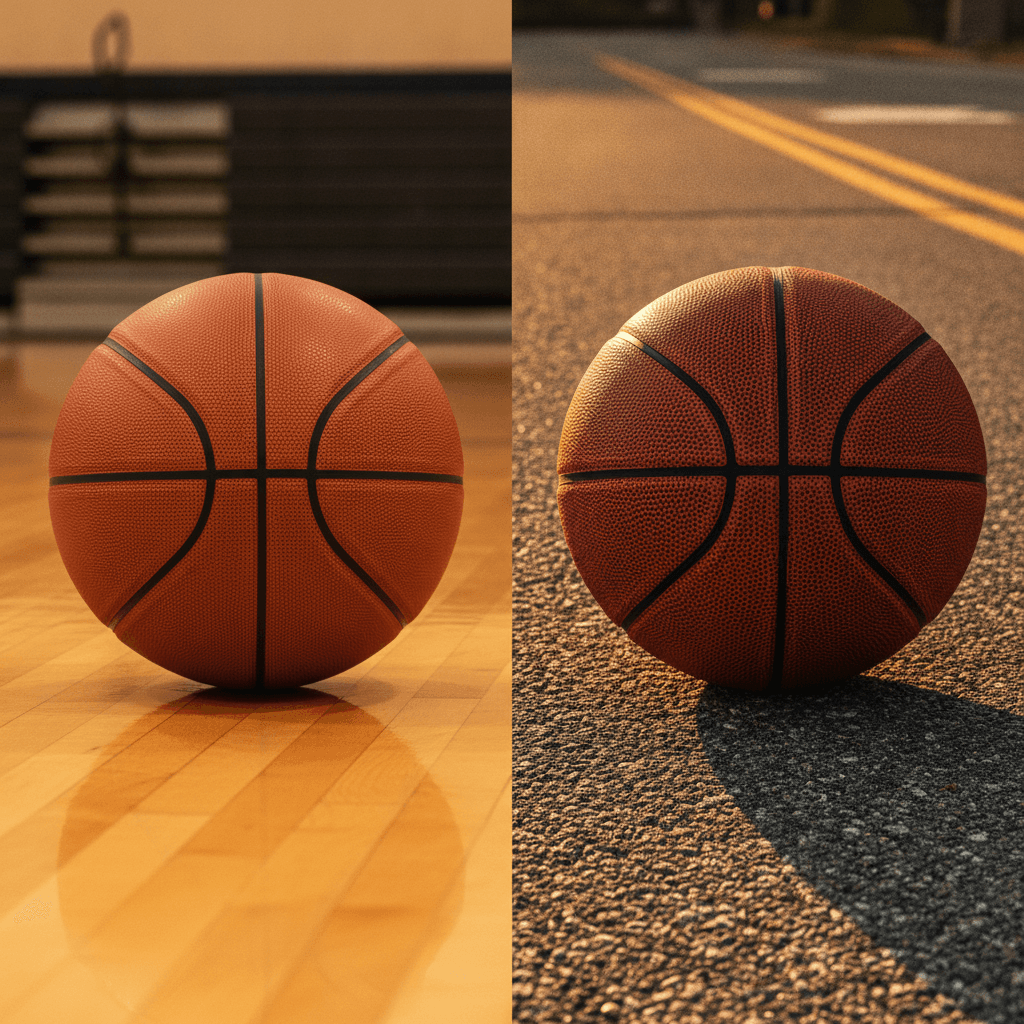
Indoor basketball shoes last about three weeks on outdoor courts before the outsole goes smooth — the soft rubber compounds tuned for polished hardwood simply cannot survive abrasive asphalt and concrete. Outdoor play demands harder, denser rubber, deeper traction grooves, and more impact cushioning, because concrete provides zero shock absorption. This guide covers shoes built or proven durable for exactly that. The Nike GT Hustle 3 (~$170) is the all-around pick, with a solid debris-clearing outsole and React cushion that outlasts any Kobe or KD model on asphalt. The Adidas Dame 9 (~$120) uses Continental tire rubber for outsole life that beats competitors significantly, and its firmer Bounce Pro cushion holds up better outdoors than softer foams. The Nike LeBron 22 (~$200) suits bigger players needing maximum impact protection from its full-length Air Max unit, which does not compress permanently the way foam does. The Under Armour Spawn 6 (~$100) is the versatile mid-range workhorse for slightly dusty courts.

Related: Best Outdoor Basketball Shoes 2026 (Durability Test)

What Makes an Outdoor Shoe Different
Three things separate outdoor shoes from indoor models:
- Outsole rubber compound: Outdoor shoes use harder, denser rubber that resists abrasion. Indoor shoes use softer rubber for grip on smooth surfaces — which wears through on asphalt in weeks.
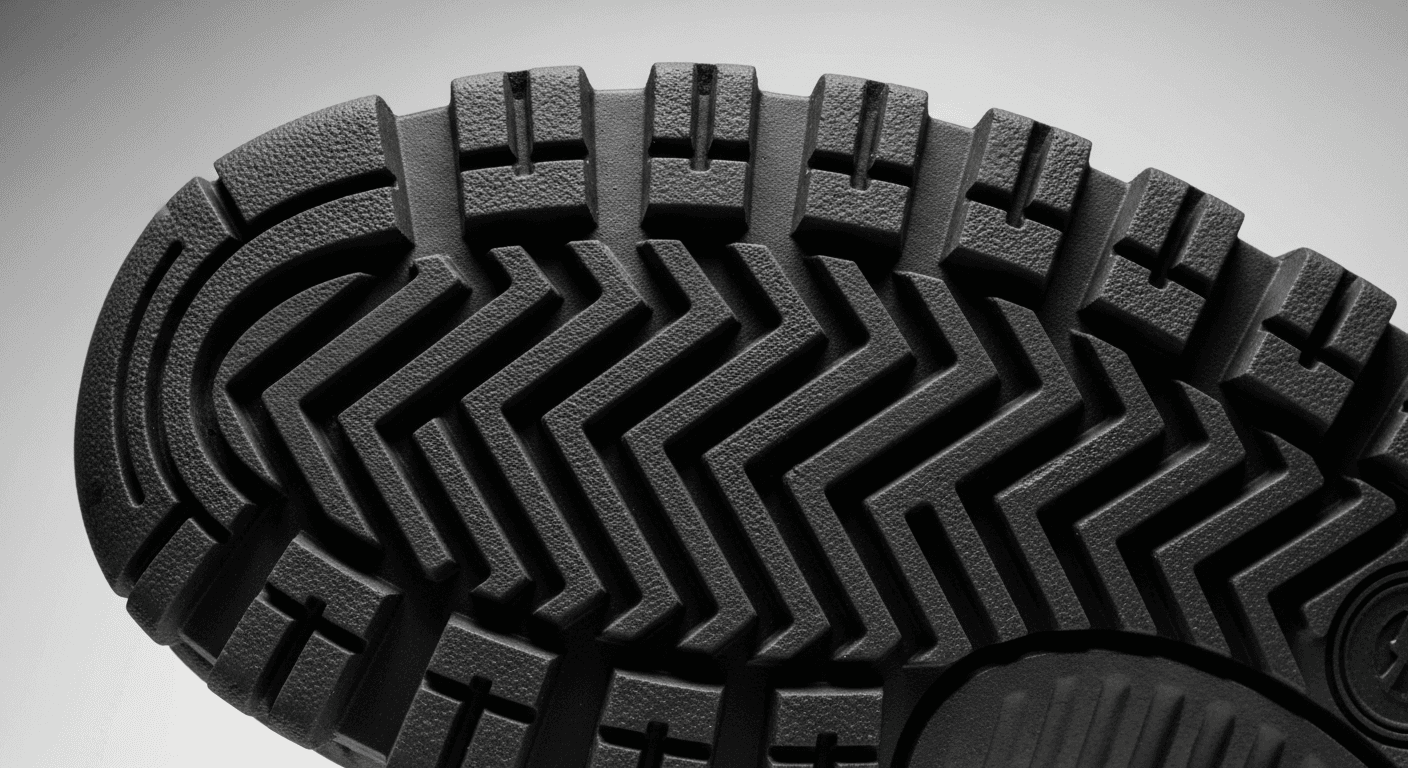
- Traction depth: Deeper grooves maintain grip as the outsole wears. Shallow indoor patterns lose effectiveness quickly on rough surfaces.
- Impact cushioning: Concrete has zero shock absorption. The shoe must compensate for what the court surface provides indoors. Thin, responsive midsoles that feel great on sprung hardwood will punish your joints on asphalt.
Top Outdoor Picks
1. Nike GT Hustle 3
Best for: All-around outdoor play, players who need durability without sacrificing performance
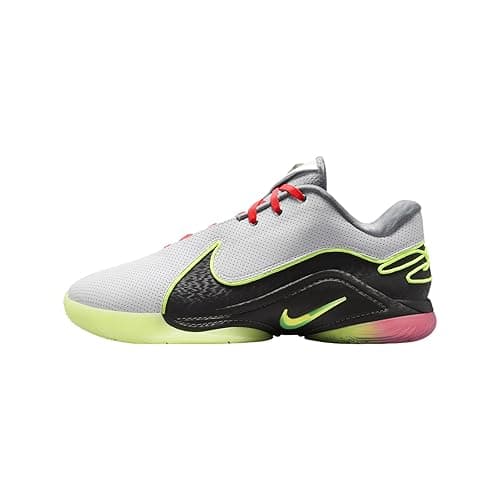
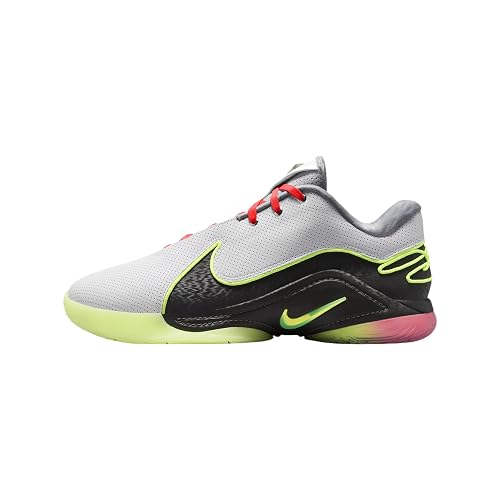
The GT Hustle 3 uses a solid rubber outsole (not translucent) with a deep, widely-spaced pattern that clears debris between grooves. The React foam midsole provides more cushion than the thinner Zoom units in Nike's indoor-focused shoes — important when the court surface absorbs zero impact.
Durability is the standout: the high-wear zones at the toe and heel have thicker rubber overlays that extend the life significantly on rough surfaces. After regular outdoor use, the traction pattern remains functional longer than any Kobe or KD model on asphalt.

Price: ~$170 | Nike GT Hustle 3 — Check price on Amazon
2. Adidas Dame 9
Best for: Guards who play primarily outdoors, budget-conscious outdoor players
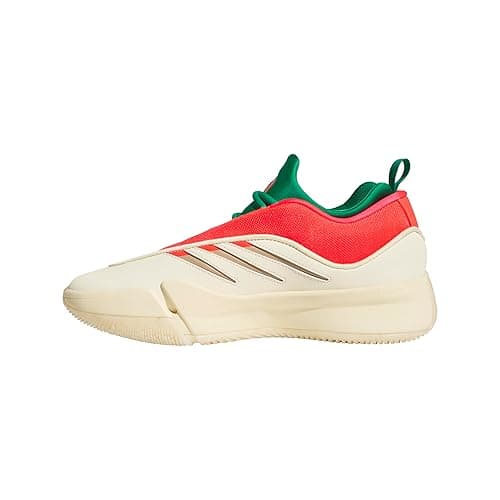
Damian Lillard's line has always been durable. The Dame 9 uses Continental rubber (the tire company) on the outsole — the same compound used on adidas running shoes known for lasting hundreds of miles on pavement. On basketball courts, this translates to outsole life that outlasts competitors by a significant margin.
The Bounce Pro cushion is firmer than Boost, which is actually an advantage outdoors — softer cushion systems bottom out faster on hard surfaces. The firmer ride maintains its response characteristics over months of outdoor play.

Price: ~$120 | Adidas Dame 9 — Check price on Amazon
3. Nike LeBron 22
Best for: Bigger players who need maximum impact protection on concrete
The full-length Air Max unit in the LeBron 22 is the best cushion solution for outdoor play by heavier players. Air units do not compress permanently the way foam does — they maintain their cushion properties regardless of surface hardness. On concrete, where every landing sends more force through your joints than on a sprung hardwood floor, this matters.
The outsole rubber is among the thickest in Nike's lineup. Not the lightest outdoor option, but the most protective.
Price: ~$200 | Nike LeBron 22 — Check price on Amazon
4. Under Armour Spawn 6
Best for: Versatile outdoor play at mid-range price, players who want good traction on slightly dusty outdoor courts
The Spawn line is UA's workhorse — not a signature shoe, which means the engineering budget goes into durability and performance rather than marketing materials. The Micro G foam is firm and responsive, the solid rubber outsole handles rough surfaces well, and the mesh upper vents heat better than synthetic uppers in outdoor heat.

Price: ~$100 | Under Armour Spawn 6 — Check price on Amazon
How to Extend Outdoor Shoe Life
- Dedicate shoes to outdoor only. Switching between indoor and outdoor accelerates wear because the outsole adjusts to one surface type.
- Clean debris from grooves. Pebbles and grit lodged in the traction pattern accelerate wear and reduce grip.
- Rotate two pairs if possible. Alternating shoes allows foam midsoles to decompress fully between sessions, extending cushion life.
- Replace at the wear indicators. Most outsoles have visible traction patterns that become smooth when replacement is needed. Playing on smooth outsoles on outdoor courts is a rolled-ankle risk.
Looking for indoor shoe recommendations? See our Best Basketball Shoes 2026: Position-by-Position Guide.
Related guides
Enjoying this analysis?
Get more breakdowns like this delivered to your inbox.