
This page contains affiliate links. We may earn a commission if you purchase through these links, at no extra cost to you. As an Amazon Associate I earn from qualifying purchases.
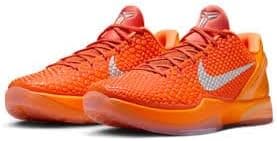
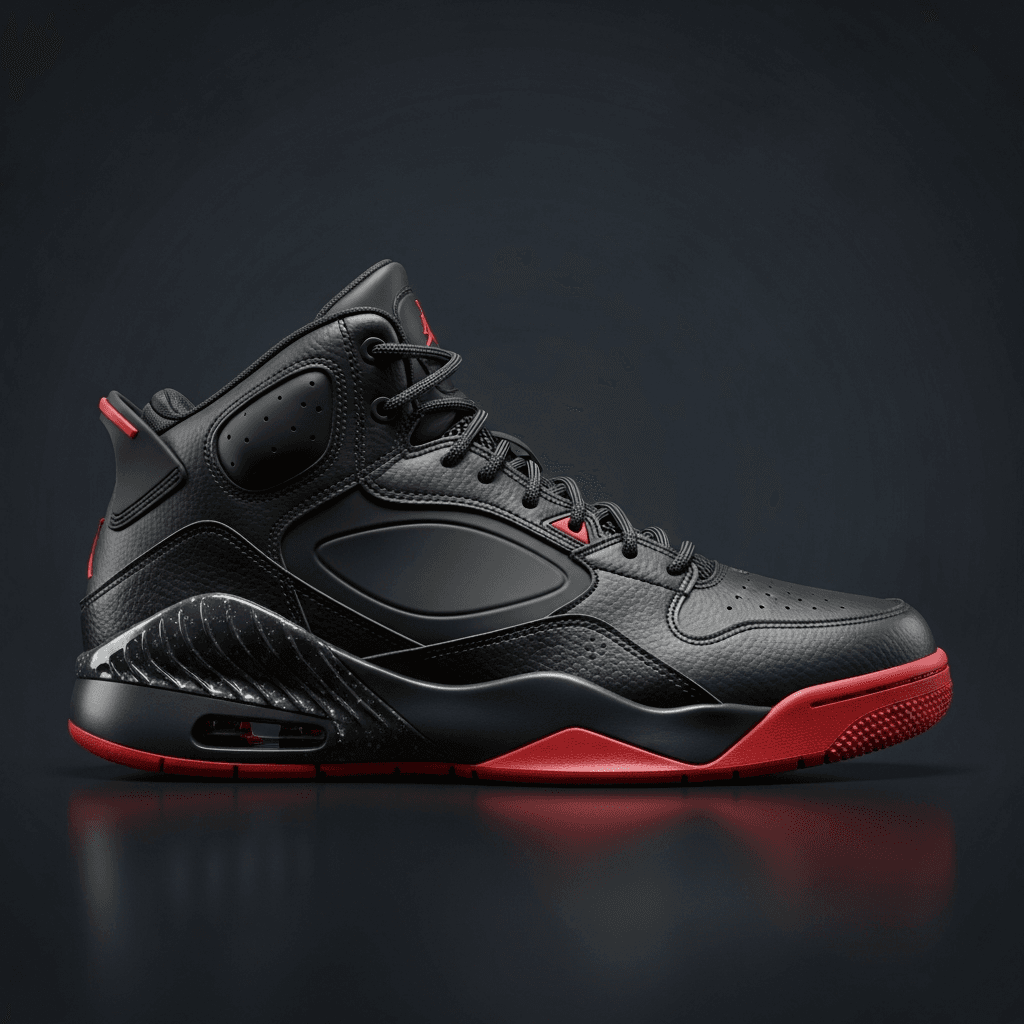
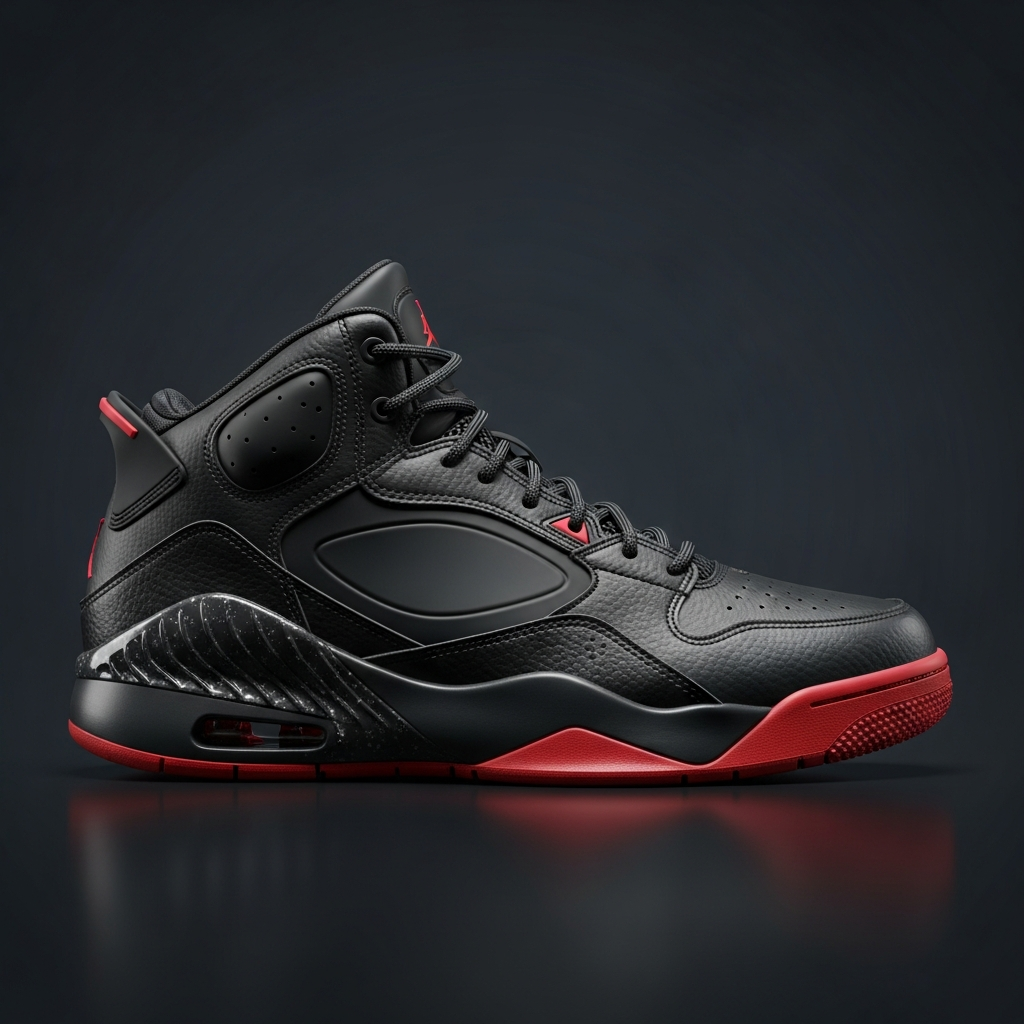
The published evidence points one way: the Nike Kobe 6 Protro is a performance shoe that happens to carry one of the most iconic names in sneaker history, not a nostalgia play. We did not wear-test it; this review weighs Nike's specs, WearTesters' reviews and owner feedback. At 11.2 ounces it pairs a forefoot Zoom Turbo unit with a Cushlon midsole, a snake-scale traction pattern, and an engineered-mesh fit system. Traction is the standout: WearTesters calls it top-tier once broken in, and owner reviews praise it more consistently than anything else about the shoe. Cushioning is low by design, which limits it for players over 220 pounds or those with knee and joint concerns. WearTesters credits the carbon fiber shank plate, wide outsole, TPU heel counter and upper construction with "a very secure ride on court" for a low-top. At $180 the fit runs narrow, but for guards and wings who value speed and court connection, it earns our recommendation.

Specs at a Glance
First Impressions and Break-In
Plan on a short break-in for the outsole: WearTesters says the traction "takes some time to break in." On fit, WearTesters calls the Reverse Grinch "a comfortably snug 1 to 1 fit" and found the All-Star 2.0 runs "extremely snug, even tighter than the OGs," warning that anyone who struggled to break in earlier Protros should "expect similar struggles here." Owner reports aggregated by The Hoops Geek say the upper molds to the foot over time.
The low-top design will concern players who've been conditioned to believe ankle support requires a high collar. It shouldn't. The support in the Kobe 6 comes from the fit system — the internal heel counter and the midfoot shank that locks your foot in place — not from material wrapped around your ankle. Aggregated reviews on The Hoops Geek credit that setup with "strong lockdown and torsional stability for quick cuts."
Traction: The Standout
This is where the Kobe 6 Protro earns its reputation, and it's not close.
WearTesters rates the traction "excellent" and credits the snake scale pattern with "great multi-directional coverage." Aggregated reviews on The Hoops Geek report "exceptional grip on clean courts, minimal wiping needed after short break-in." The reviews we used don't report on dusty or unswept floors.
"Out of the box, the traction can be a little slick, but once broken in, it's top-tier." — Evan Miranda, WearTesters, Kobe 6 Protro All-Star 2.0 review
The traction pattern's grooves are deep enough to channel dust and debris rather than compressing flat, which is the failure mode of most traction patterns after a few months of use. We have no long-term wear data. For outdoor play, WearTesters warns the outsole will "burn through the traction quickly."
Cushioning: Low but Effective
The cushioning setup pairs a Cushlon midsole with a forefoot Zoom Turbo unit, and it prioritizes court feel over impact absorption. If you're coming from a shoe with thick React or Boost cushioning, the Kobe 6 will feel thin and close to the ground. This is by design.
Kobe Bryant specifically wanted a shoe that maximized proprioception — the ability to feel the court surface and react to it. The Zoom Air unit provides just enough impact protection for comfortable play while keeping the foot as close to the floor as possible. The result:
- Court feel: Nike says trimming outsole rubber helps "enable low-to-the-ground contact," and owner feedback collected by SoleFeed describes a "ground-near feel, not a bouncy ride"
- Impact protection: reviews split — The Hoops Geek's aggregated ratings cite "solid impact protection," while SoleFeed's owner roundup warns the cushioning "isn't really super comfy"; big men who absorb significant landing forces on rebounds should weigh that
- Responsiveness: Nike describes the forefoot Air Zoom unit as "soft, responsive cushioning," and WearTesters calls the setup "a nice responsive experience on court"
The cushioning limitation is real for heavier players (220+ pounds) or those with knee/joint concerns. If impact absorption is your primary need, a shoe with Nike React or New Balance FuelCell will serve you better. But for players under 220 who value quickness and court connection, the Kobe 6's cushioning setup is a competitive advantage.
Support and Containment
The midfoot shank is the engineering hero of this shoe. It's a rigid plate between the midsole layers that prevents the shoe from flexing where it shouldn't — specifically during hard lateral cuts where the foot tends to roll over the midsole. This is the structural element that makes a low-top shoe feel stable; WearTesters confirms the Protro uses a carbon fiber shank plate.
WearTesters calls the TPU heel counter "one of the best ever, cradling the foot securely without adding bulk." Owner feedback aggregated by The Hoops Geek also points to "great heel lockdown."
Published reviews don't flag the forefoot as a weak spot. WearTesters calls support and containment "surprisingly great" for such a minimal shoe. The caveat is width: its All-Star 2.0 review found the upper "doesn't seem to stretch as much" as the originals, so wide-footed players should go up a half size.
Who This Shoe Is For
The Kobe 6 Protro is ideal for:
- Guards and wings who prioritize speed, court feel, and traction
- Players under 220 pounds who don't need maximum cushioning
- Anyone who values a secure lockdown fit in a lightweight package
- Players who've found modern basketball shoes too bulky or too soft
It's not ideal for:
- Big men who need maximum impact protection
- Players with wide feet (the fit runs narrow — size up half if between sizes)
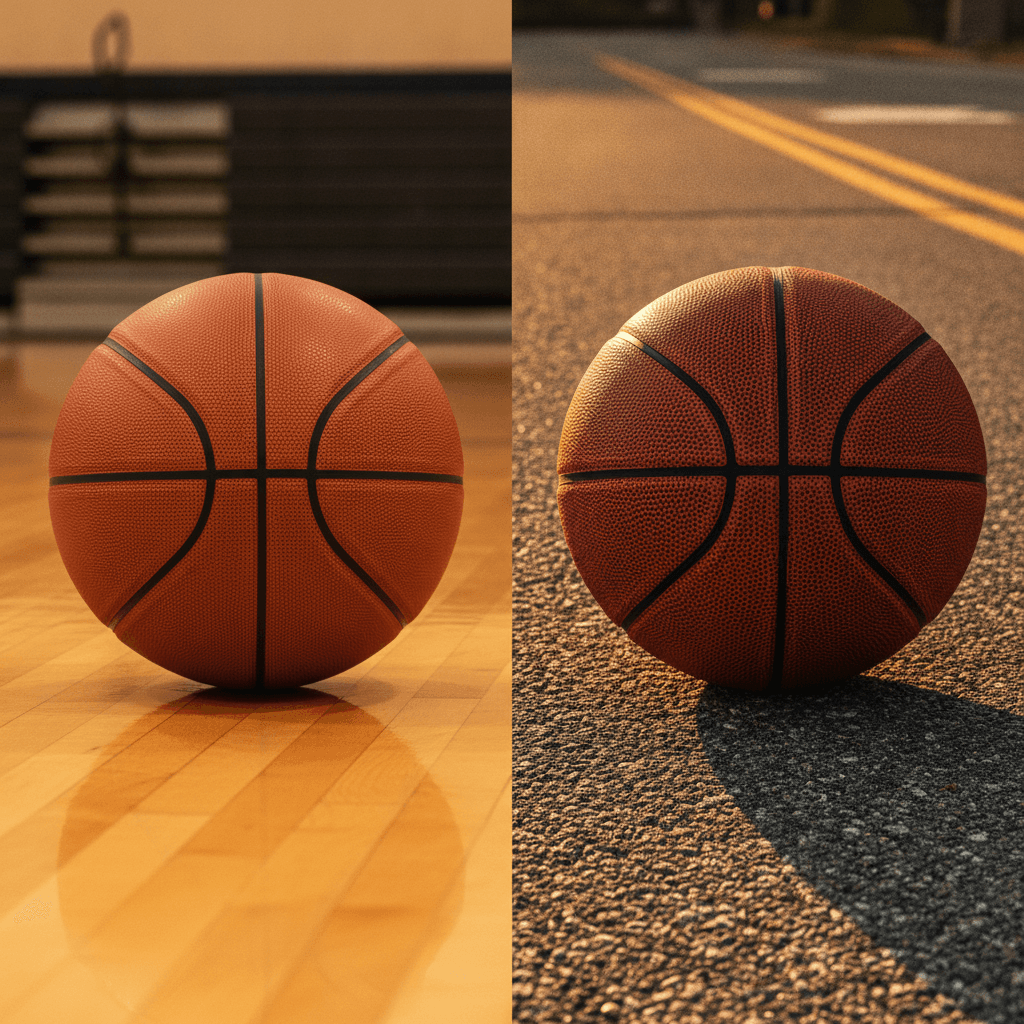
- Outdoor-only players (the outsole rubber compound is designed for indoor surfaces)
The Competitive Landscape ($180)
At $180, the Kobe 6 Protro sits at the premium end of the basketball shoe market. Is it worth it compared to alternatives?
vs. Nike GT Cut 3 ($190): The GT Cut has better forefoot containment and more cushioning, but the Kobe 6 wins on traction, weight, and court feel. Edge: Kobe 6 for guards, GT Cut for versatility.
vs. Nike Sabrina 2 ($140): The Sabrina 2 costs less. If budget matters, it's the better value. Choose the Kobe 6 if traction is your priority; it's the category reviewers and owners praise most.
vs. Adidas AE 1 ($150): Different philosophy entirely — the AE 1 is softer, bouncier, and more forgiving. Players who want court feel will prefer the Kobe 6. Players who want cushion will prefer the AE 1.
The Verdict
The Nike Kobe 6 Protro earns its strongest reviewer and owner ratings for traction, is one of the lightest performance options available, and stands as a testament to how well the original design has aged. Its limitations — narrow fit, minimal cushioning, premium price — are real, but they're trade-offs that the right player will happily accept.
For guards and wings who play indoors and want court feel over cushion, the published evidence makes it an easy recommendation. WearTesters scored both the Reverse Grinch and All-Star 2.0 pairs 9.5/10.

Frequently Asked Questions
How much does the Nike Kobe 6 Protro weigh?
About 11.2 ounces in a men's size, which makes it one of the lightest performance basketball shoes available. Weight varies roughly between 10.8 and 11.6 ounces depending on size and colorway. That low weight is a big part of why the shoe feels so fast underfoot.
What is the Kobe 6 Protro's cushion setup like?
It's a low-profile Zoom Air setup tuned for court feel and responsiveness rather than thick, plush impact absorption. Nike describes the forefoot Air Zoom unit as "soft, responsive cushioning" and says less outsole rubber helps enable low-to-the-ground contact — you sit close to the floor and react fast, but you don't get the soft landing of a high-stack foam shoe.
Do the Kobe 6 Protro need breaking in?
Some, for fit — WearTesters describes a snug upper that doesn't stretch much, and owners say it molds to the foot over time. The one thing to know is traction: the outsole can feel slightly slick straight out of the box and grips its best after a short break-in. After that, WearTesters calls it "top-tier."
Are the Kobe 6 Protro good for outdoor courts?
No — the rubber compound and snake-scale traction pattern are tuned for indoor hardwood, and outdoor asphalt wears the pattern down quickly. For blacktop, pick a shoe with a durable outdoor outsole instead (see our outdoor basketball shoes guide below).
Are the Kobe 6 Protro good for big men or heavy players?
They're best for guards and wings under about 220 pounds. Because the cushioning favors court feel over impact protection, heavier players and anyone with knee or joint concerns will be better served by a more cushioned shoe with Nike React or New Balance FuelCell. The Kobe 6 trades cushion for court feel on purpose.
Do the Kobe 6 Protro fit true to size?
They're true to length but run narrow. If you're between sizes or have wider feet, go up a half size for comfort. Most players with standard-width feet can stick to their normal size.
Related guides
Enjoying this analysis?
Get more breakdowns like this delivered to your inbox.