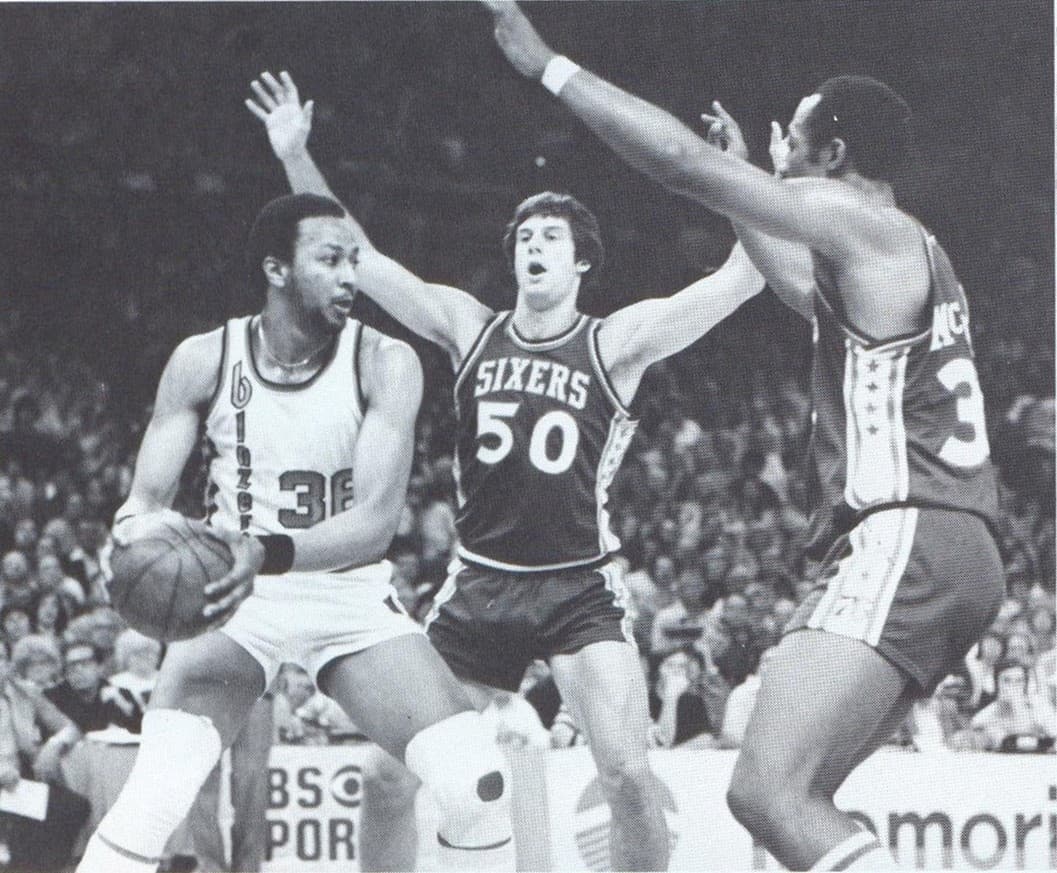
Why the Trail Blazers Retired #36: Lloyd Neal
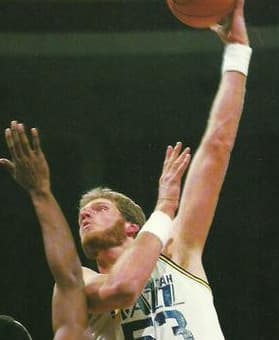
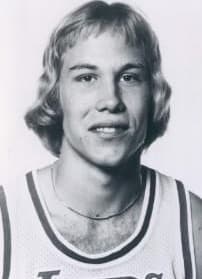
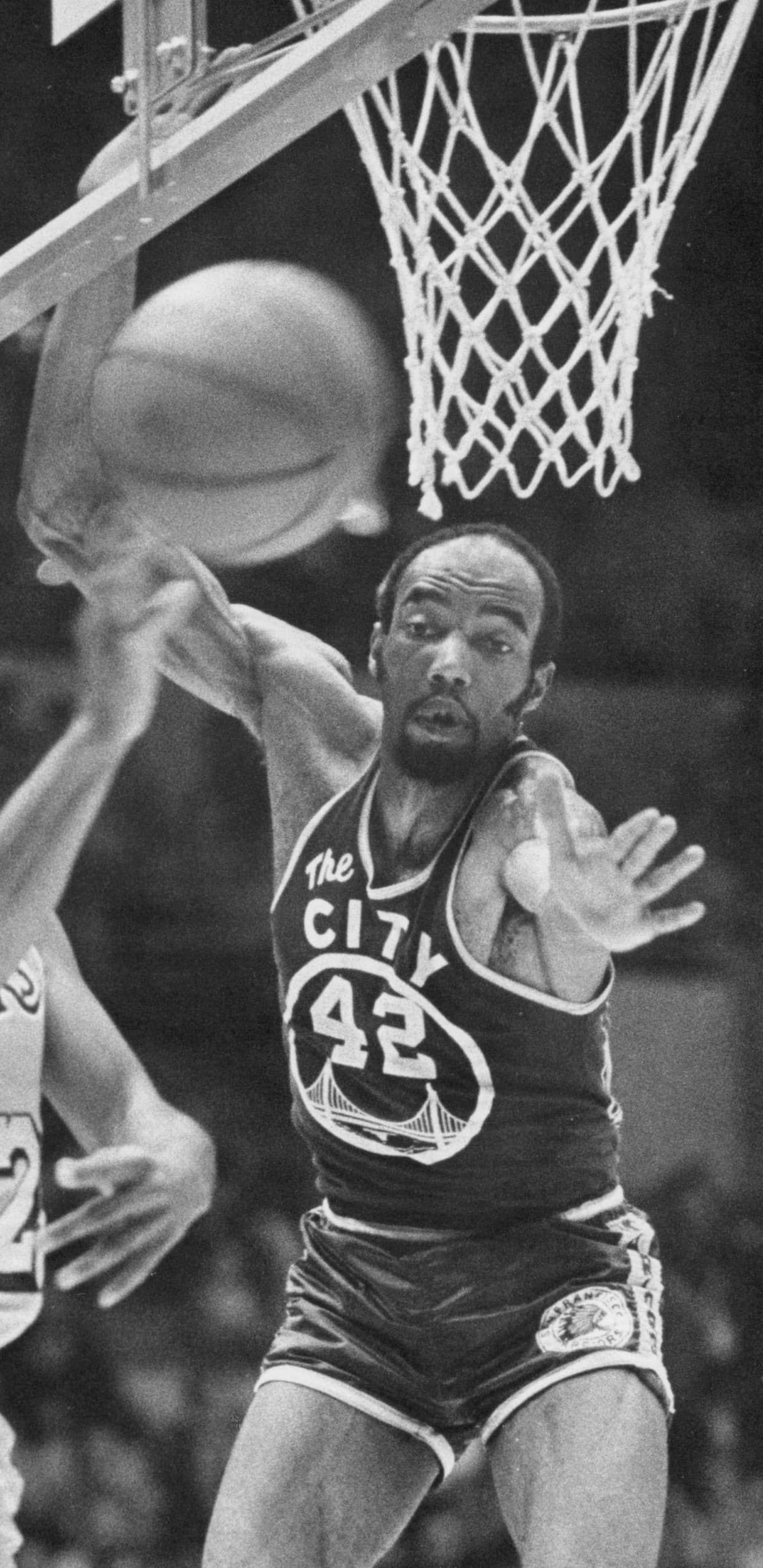
Lloyd Neal was there from the very beginning — seven seasons as one of Portland's foundational big men, ending with a championship ring in 1977.
In-depth basketball analysis, player breakdowns, gear reviews, and training insights.
Lloyd Neal was there from the very beginning — seven seasons as one of Portland's foundational big men, ending with a championship ring in 1977.
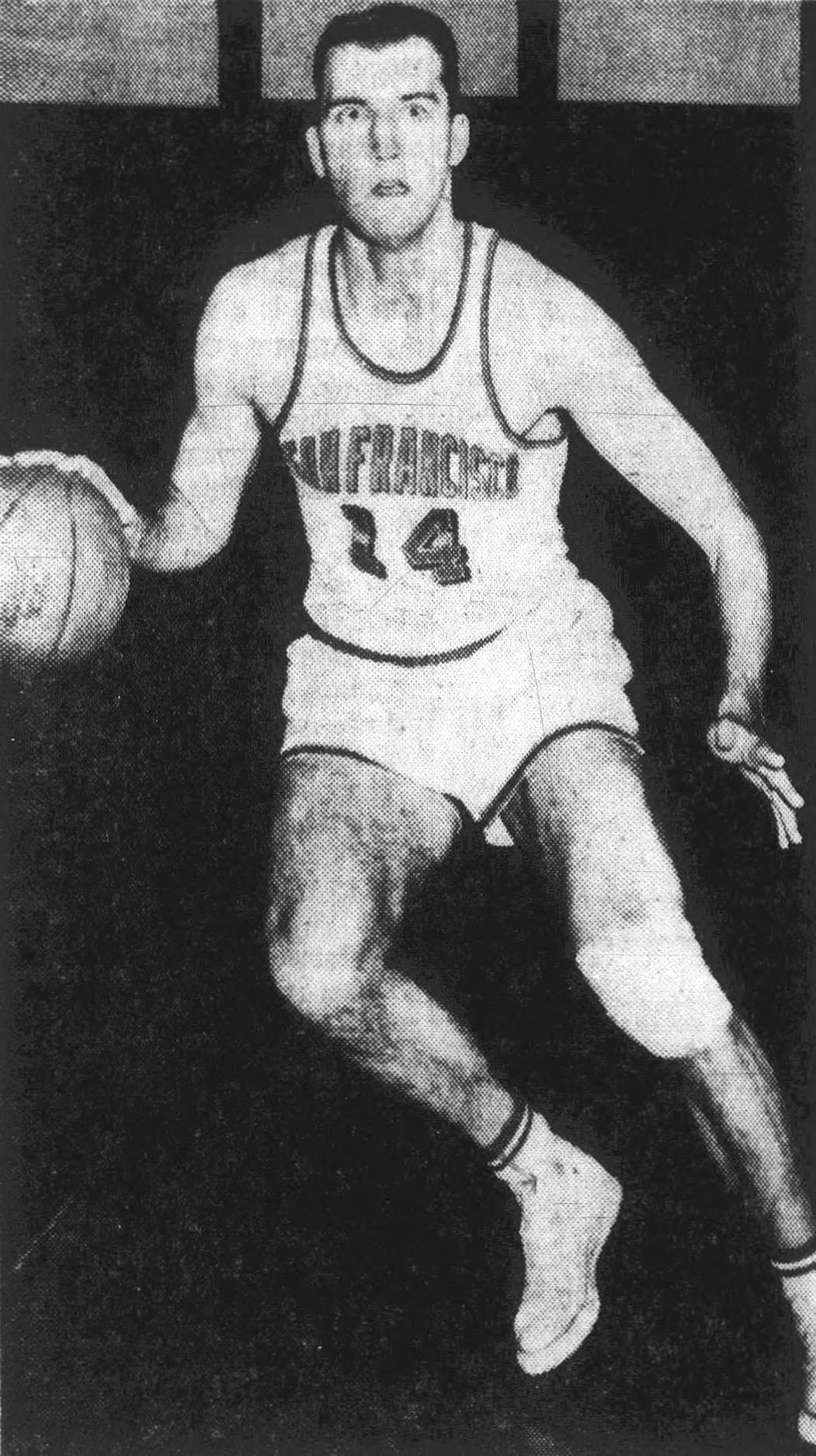
Tom Meschery gave the Warriors six seasons of physical, committed basketball during the transition from Philadelphia to San Francisco — and wrote poetry on the side. Here is why #14 belongs in the rafters.
Subscribe to get the latest basketball analysis, player insights, and gear reviews delivered to your inbox.
Subscribe to newsletterBefore steals were a glamour stat, Larry Steele led the entire NBA in them. He was Portland's first defensive icon and one of the original Trail Blazers.
Larry Weinberg owned the Trail Blazers through their hardest years and their greatest moment. The story of the man who built Rip City from nothing.
Wilt Chamberlain averaged 50.4 points per game as a Warrior. The 100-point game, the 55-rebound game, and every major scoring record happened in a Warriors uniform. Here is why #13 belongs in the rafters.
Bob Gross was Portland's defensive secret weapon in 1977 — the player who held Julius Erving in check and helped deliver the only championship in franchise history.
Dave Twardzik arrived in Portland as an unheralded ABA import and left as a champion. The story of the quiet playmaker who made the Blazers go.
Tom Chambers was the first unrestricted free agent to change teams — and he chose Phoenix. Here's why the Suns retired his #24 jersey in 2021.
Walter "The Greyhound" Davis defined Suns basketball for over a decade. Here's why Phoenix immortalized #6 in the rafters of what is now the Footprint Center.
Geoff Petrie co-won NBA Rookie of the Year in 1971, averaged 24.8 points per game at his peak, and became the standard for Trail Blazers excellence before injuries ended his career at 28. Why #45 is the first great number in Rip City history.
Jack Ramsay coached the Trail Blazers for ten seasons, won the 1977 NBA Championship, and built a team-first philosophy that became the foundation of Rip City basketball. Here's why a coach's number belongs in the rafters.
Terry Porter was Portland's floor general for eleven seasons — two All-Star appearances, two Finals runs, and 15+ points per game from a Division III guard who was never supposed to make it this far. Here's why #30 belongs in the rafters.
Maurice Lucas averaged 20.3 points and 10.3 rebounds in the 1977 NBA Finals, providing the physical dominance that allowed Bill Walton to be Bill Walton. His #20 honors the enforcer who turned Portland into champions.
Clyde Drexler spent twelve seasons as the face of Portland basketball — ten All-Star appearances, two NBA Finals runs, and a Hall of Fame career that defined what it meant to be a Trail Blazer. Here's why #22 belongs in the rafters.
Bill Walton's 1977 NBA Finals performance — 19.0 rebounds, 5.2 assists, and 8 blocks per game — remains the most dominant individual championship series in Portland history. Here's why #32 belongs in the rafters forever.
Alvan Adams spent every one of his 13 NBA seasons as a Phoenix Sun. The 1976 Rookie of the Year and Finals participant gave the franchise something rare: a player who never left.
Dick Van Arsdale was the very first Phoenix Sun — selected in the 1968 expansion draft that brought the franchise to life. His #5 honors the player who gave the organization its identity.
Connie Hawkins was kept out of the NBA for eight years by a wrongful banishment. When he finally arrived in Phoenix at age 27, he still made four All-Star teams. The full story of #42.
Paul Westphal is the only figure in Suns history who led the franchise to the Finals both as a player and as a head coach. His #44 honors a contribution that spans two defining eras.
"Thunder Dan" Majerle was a three-time All-Star and the Suns' most electrifying two-way wing of the 1990s. His #9 represents the warrior spirit of Phoenix's greatest era.
© 2026 143 Basketball Haven