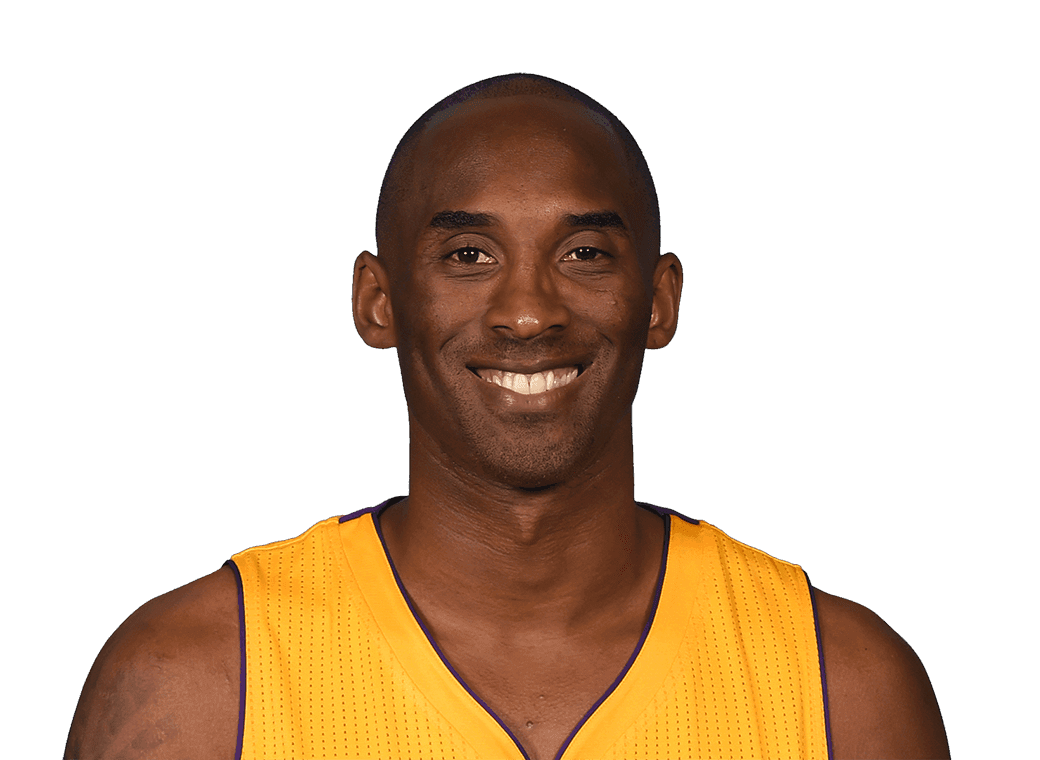
Kobe Bryant was not only a volume scorer. He was a case study in how footwork, counter moves, and shot tolerance can bend an NBA defense even when the defense knows exactly where the ball is going. Basketball Reference lists Bryant at 25.0 points per game across 1,346 regular-season games, but the more useful lens is how he created those points. He built possessions from the elbows, the mid-post, pindowns, late-clock isolations, and transition attacks, forcing defenders to guard every square of the floor from the left block to the right wing. His 81-point game against Toronto on January 22, 2006, was not random heat-check basketball. It was the full Bryant shot diet in one night: early-clock threes, hard rip-through drives, post fades, free throws created by shoulder leverage, and pull-ups that punished defenders for retreating.
The reason the Mamba Mentality idea still matters in basketball terms is that Bryant turned preparation into usable counters. Against single coverage, he could get to the baseline fade, the middle turnaround, or the two-dribble pull-up. Against help, he became more comfortable over time reading the second defender and finding the weakside shooter or dump-off pass. He was never a pure pass-first creator, and that limitation is part of the honest scouting report, but his best championship versions were more connected than the one-shot highlight reel suggests. In the 2009 and 2010 title runs, the Lakers used Bryant as the pressure point in the triangle offense: he drew the loaded side of the defense, then let Pau Gasol, Lamar Odom, Derek Fisher, and the weakside cutters punish the rotation.
Defensively, Bryant combined elite tools with competitive appetite. NBA All-Defensive selections can overstate reputation, but his best defensive film supports the high-end version of the résumé. He could hound smaller guards over screens, use his strength to absorb wing drives, and jump passing lanes when the Lakers had rim protection behind him. The tradeoff was energy allocation. During heavy scoring seasons, especially the mid-2000s carry jobs, his off-ball focus could drift because the offense demanded so much creation. That context matters: Bryant was not always a possession-by-possession stopper, but in playoff matchups and late-game assignments he could still raise the pressure level and make star guards work before they even entered their action.
Bryant belongs in the all-time great conversation because his skill set scaled across eras and roster types. He won next to Shaquille ONeal as a secondary creator who could close games from the perimeter, then won again as the offensive center of gravity next to Gasol in a more read-based half-court system. His shot selection would be debated even harder in a modern analytics room, but the difficult-shot making had a purpose: it gave the Lakers a reliable option against playoff defenses after the first action failed. The lesson for players is not to copy every contested fadeaway. The lesson is to build enough balance, footwork, handle, strength, and competitive stamina that a defender cannot remove the first option without opening the second.