Esta página contiene enlaces de afiliados. Podemos ganar una comisión si compras a través de estos enlaces, sin costo adicional para ti. As an Amazon Associate I earn from qualifying purchases.
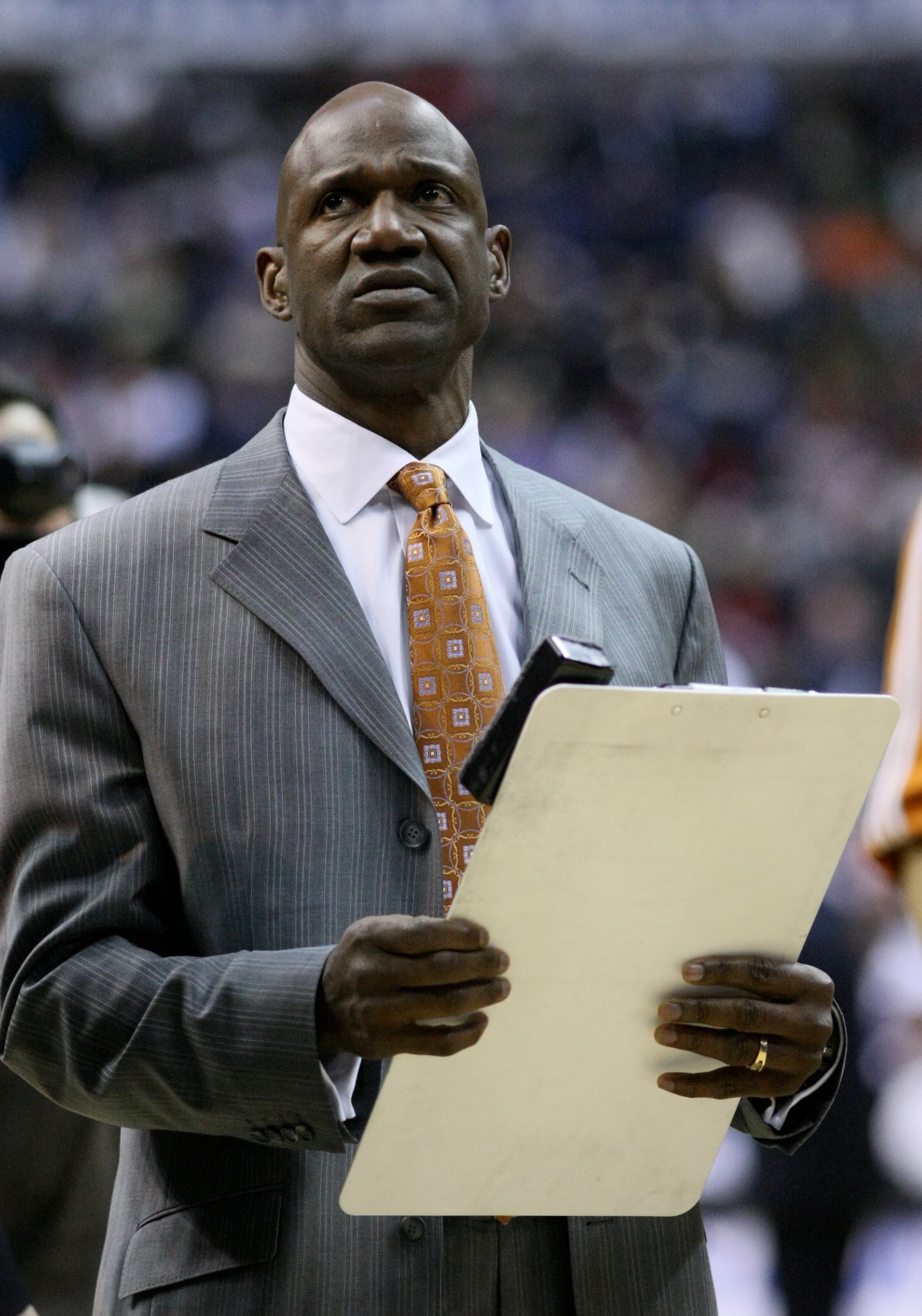
Portland's #30 honors Terry Porter, whose path from Division III basketball to two-time NBA All-Star is one of the most improbable in franchise history. Born April 8, 1963, in Milwaukee, Porter played four seasons at Wisconsin-Stevens Point before the Trail Blazers selected him 24th overall in the 1985 NBA Draft. Within two seasons he was Portland's starting point guard, a role he held for the better part of a decade. Alongside Clyde Drexler, Porter provided the intelligence, rhythm, and clutch shooting — "Terry Time" — that carried Portland to the 1990 and 1992 NBA Finals. He was selected to the All-Star Game in 1991 and 1993, averaging 15+ points, 6+ assists, and 38%+ three-point shooting for his career. After eleven seasons with Portland he later coached the Milwaukee Bucks and Phoenix Suns. The Blazers retired #30 — alongside Bob Gross — to honor the franchise cornerstone who built his entire NBA identity in Portland.
Division III to the NBA: The Most Improbable Path
Terry Allen Porter was born April 8, 1963, in Milwaukee, Wisconsin. He attended Lincoln High School before heading to Wisconsin-Stevens Point, where he developed the skills that would eventually make him a starter in the Western Conference for over a decade. His combination of shooting ability, court vision, and competitive intensity was apparent to those who watched closely — but Division III basketball is not a showcase that NBA scouts routinely attend, and Porter's path to the first round required Portland to see something that others had missed.

The Blazers saw it. Their evaluation of Porter's game — his footwork, his shot mechanics, his understanding of the court — convinced them that the level of competition he had played against was the variable, not his ability. They were right. Porter made the transition from Division III to the NBA without the adjustment period most players require, and within two seasons he was Portland's starting point guard, a position he would hold for the better part of a decade.

The Drexler Era: Building the Backcourt That Took Portland to the Finals Twice
Porter's most celebrated seasons came alongside Clyde Drexler — a partnership that made Portland one of the most dangerous offensive teams in the Western Conference throughout the late 1980s and early 1990s. Where Drexler provided the explosive athleticism and shot creation, Porter provided the intelligence, the rhythm, and the clutch shooting that gave Portland a reliable second option in the game's most important moments. Rip City fans called it "Terry Time" — the late-game situation in which Porter's shooting became the most dependable shot in the building.
The 1990 NBA Finals against the Detroit Pistons and the 1992 NBA Finals against the Chicago Bulls both featured Porter performing at the highest level under maximum pressure. His ability to make difficult shots with the series on the line, manage the game's pace against elite defensive teams, and give Drexler the support that a superstar requires from a point guard — all of it was on display across two Finals runs that came agonizingly close to championships Portland still remembers with a particular kind of longing.

Two All-Star Appearances and a Career That Resisted Categorization
Porter was selected to the NBA All-Star Game in 1991 and 1993 — recognition that confirmed what Portland fans had known for years: their point guard was not merely a complementary piece to Clyde Drexler, but a legitimate star in his own right. His combination of scoring (career 15+ points per game), playmaking (career 6+ assists per game), and three-point shooting (career 38%+ from beyond the arc) made him one of the most complete point guards in the Western Conference during his peak seasons.
After eleven seasons with Portland, Porter spent time with Minnesota, Miami, San Antonio, and Milwaukee before retiring in 1998. He then transitioned into coaching, serving as head coach of the Milwaukee Bucks (2005-08) and the Phoenix Suns (2008-09). His post-playing career reflected the same intelligence and communication skills that had made him an effective floor general — the basketball mind that coaches recognized as an asset regardless of whether Porter was playing or directing from the sideline.

Why the Trail Blazers Retired #30
When Portland retired Terry Porter's #30 alongside Bob Gross — the only Blazers player to share a retired number with another — the franchise was making two separate statements with one ceremony. For Gross, it honored the championship role player. For Porter, it honored the franchise cornerstone who had built his entire NBA identity in Portland over eleven remarkable seasons.
The #30 in the rafters alongside #22 (Drexler) is the complete picture of the Blazers backcourt that carried Portland to two Finals appearances in three years. You cannot tell the story of those teams without telling the story of Terry Porter — the Milwaukee kid who played Division III college basketball and somehow ended up as one of the most trusted clutch performers in the Western Conference for a decade.

Rip City remembers Terry Time. The number in the rafters ensures the memory never fades — a permanent reminder that the best Blazers teams were built on the partnership of an explosive superstar and an intelligent, unflappable floor general who made every game better by being on the floor. Terry Porter was that floor general. Portland was lucky to have him for eleven seasons. The franchise is honoring that luck appropriately.
¿Te gusta este análisis?
Recibe más análisis como este en tu bandeja de entrada.