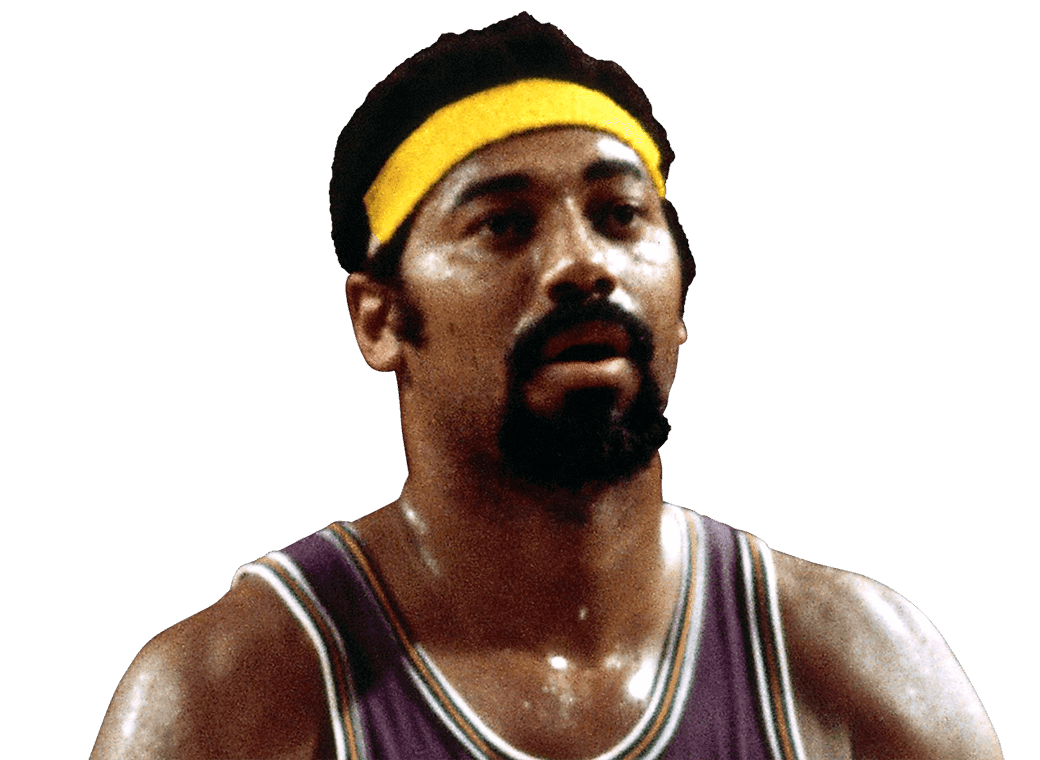
Why the Lakers Retired Wilt Chamberlain's #13: The Most Dominant Force in Basketball History
Wilt Chamberlain's #13 hangs in the Lakers rafters not for his 100-point game — that was in Philadelphia — but for what he accomplished in Los Angeles: a championship, a record-setting season, and a complete reinvention of his game.
Ang artikulong ito ay awtomatikong isinalin mula sa Ingles.View original
Diosh Lequiron
··12 min basahin·
M
Share
Ang pahinang ito ay naglalaman ng mga affiliate link. Maaari kaming kumita ng komisyon kung bibili ka sa pamamagitan ng mga link na ito, nang walang dagdag na gastos sa iyo. As an Amazon Associate I earn from qualifying purchases.
The first thing to understand about Wilt Chamberlain is that the numbers are not exaggerations: a career 30.1 points and 22.9 rebounds per game, a 100-point game, a 55-rebound game. On July 9, 1968, the Lakers acquired him from Philadelphia at age 31, already owning virtually every individual scoring record in basketball but just one championship ring. Then the most prolific scorer in the game's history deliberately stopped scoring. His first Lakers season he averaged 20.0 points after years of 30, 40, even 50, redirecting that energy into rebounding, shot-blocking, and outlet passes. The 1971-72 Lakers won 33 straight games and finished 69-13, then beat the Knicks 4-1 for the title — Chamberlain, at 35, playing all 82 games at 42.3 minutes a night. The Lakers retired his #13 in 1983 not for what he did in Philadelphia or San Francisco, but because the most dominant individual force in basketball chose to become its most selfless teammate.
The Trade That Changed Lakers History
On July 9, 1968, the Lakers acquired Wilt Chamberlain from the Philadelphia 76ers for Jerry Chambers, Archie Clark, and Darrall Imhoff. Chamberlain was 31 years old and already owned virtually every individual scoring record in basketball — the 100-point game, the 50.4 points-per-game season, the career scoring lead. But he had just one championship ring, and the question that followed him like a shadow was whether his individual brilliance could coexist with winning.
Men's LeBron James Gold Los Angeles Lakers Fast Break Replica Jersey - Icon Edition
Los Angeles answered that question definitively. And Chamberlain's answer was the most remarkable part: he stopped scoring.
Not entirely. But deliberately, systematically, the most prolific scorer in basketball history chose to become something else. His first season with the Lakers, he averaged 20.0 points — after years of 30, 40, even 50. He redirected that energy into rebounding, shot-blocking, and outlet passes that ignited the Lakers' fast break. It was a basketball sacrifice that few players of his stature have ever made, before or since.
Men's Mitchell & Ness Wilt Chamberlain Royal San Francisco Warriors Hardwood Classics 1963/64 Swingman Jersey
The 1971-72 Season: Thirty-Three Straight
The 1971-72 Lakers season remains one of the most dominant in NBA history — and at its center, anchoring everything, was a 35-year-old Wilt Chamberlain.
Thirty-three consecutive wins. A record that stood for 44 years. A 69-13 final record, the best in NBA history at the time. Chamberlain averaged 14.8 points, 19.2 rebounds, and 4.8 assists per game (Basketball Reference, 1971-72 season). The points were modest by his standards. The rebounding was transcendent. The defense was the foundation of everything.
Men's Mitchell & Ness Wilt Chamberlain Gold San Francisco Warriors 1962/63 Hardwood Classics Swingman Jersey
He played all 82 games. He averaged 42.3 minutes per night. He was 35 years old. Modern NBA centers play 28 minutes and take load-management nights. Wilt Chamberlain played every game for 42 minutes at an age when most centers are retired. The endurance alone is science fiction.
Justin Anderson Philadelphia 76ers Player-Issued #1 White Nike Jersey from the 2017-18 NBA Season - Size 50+6
The playoff run culminated in a 4-1 series victory over the New York Knicks in the Finals. Chamberlain averaged 19.4 points and 23.2 rebounds in the Finals (Basketball Reference, 1972 NBA Finals) — 23.2 rebounds, a number that would lead the league for an entire season today. The clinching Game 5: 24 points, 29 rebounds (Basketball Reference). It was the only championship the Lakers won during the Jerry West era, and Chamberlain was its foundation.
The Physical Specimen
It is impossible to discuss Chamberlain without addressing the sheer physical improbability of him. At 7'1" and roughly 275 pounds, he possessed speed, leaping ability, and coordination that would be extraordinary in a man six inches shorter.
Tyrese Maxey Philadelphia 76ers Autographed White Nike 2024-25 City Edition Swingman Jersey with "Mad Max" Inscription
A reported 4.6-second 40-yard dash (comparable to NFL wide receivers)
A high jump clearance of 6'6" (near Olympic qualifying level)
Competed in Big Eight conference triple-jump events
An estimated 8-10 blocks per game in his peak Lakers seasons (the NBA didn't track blocks in his era)
For context: modern centers who average 3 blocks per game are considered elite shot-blockers. Chamberlain likely tripled that number. And he did it while playing 42+ minutes a night, every night, at an age that would be considered elderly by NBA standards.
Why the Lakers Retired #13
The Lakers retired Chamberlain's #13 in 1983. Five seasons. One championship. One 33-game winning streak. One complete reinvention of the most statistically dominant career in basketball history.
Unisex Nike Tyrese Maxey Royal Philadelphia 76ers Swingman Jersey - Icon Edition
Chamberlain's career numbers across all franchises are almost comical — 30.1 career PPG, 22.9 RPG, a 100-point game, a 55-rebound game. But the Lakers don't honor #13 for what happened in Philadelphia or San Francisco. They honor it for what happened in Los Angeles: the most dominant individual force in basketball chose to become the most selfless teammate. He traded points for rebounds, scoring titles for a championship ring, and individual glory for something he'd spent a decade being told he couldn't achieve.
Dalen Terry Youth Fanatics Red Philadelphia 76ers Fast Break Replica Custom Jersey - Statement Edition
That transformation — from the greatest scorer who ever lived to the anchor of the winningest season in NBA history — is worth a place in the rafters forever.
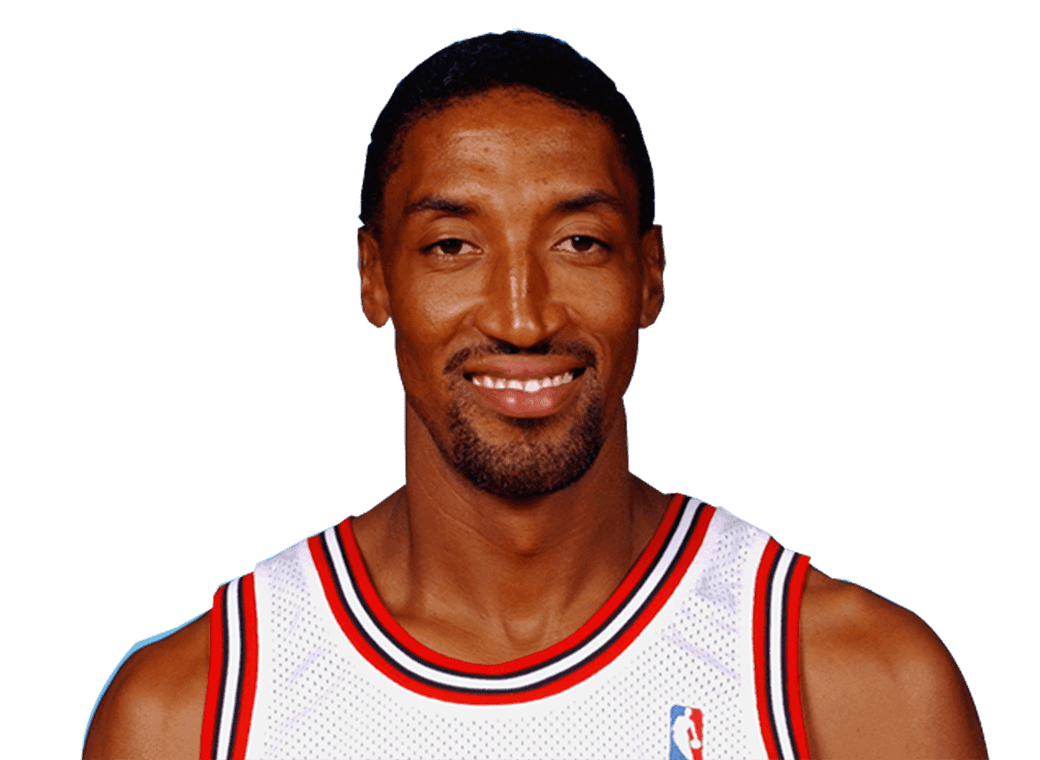
Scottie Pippen is the greatest example in basketball history of what it means to be exactly what your team needs. Without Pippen's #33, there is no second three-peat, no dynasty mythology, and arguably no six championships at all.
October 1, 1994: the Bulls retire #23 for the first time. Eighteen months later, Jordan faxed two words and they took it back down. The story of six championships, two three-peats, and the number that bent the gravity of basketball around itself.
Bob Love was the Chicago Bulls' first great offensive player — a jump-shooting artist who averaged 21 points a game and made three All-Star teams. But the story of why the Bulls retired his #10 has as much to do with what happened after basketball as during it.