Why the Bulls Retired Jerry Sloan's #4: The Original Bull Who Defined an Era
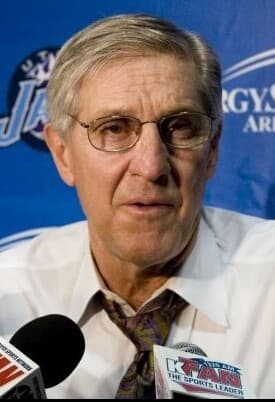
Before Michael Jordan, before the championships, before the global phenomenon — there was Jerry Sloan. The toughest, most relentless player in Bulls history wore #4 for ten seasons and built the defensive identity that would one day win six titles.
Artikel ini diterjemahkan secara otomatis dari bahasa Inggris.View original
Diosh Lequiron
··12 menit baca·
M
Share
Halaman ini mengandung tautan afiliasi. Kami mungkin mendapatkan komisi jika Anda membeli melalui tautan ini, tanpa biaya tambahan untuk Anda. As an Amazon Associate I earn from qualifying purchases.
The Chicago Bulls retired Jerry Sloan's #4 in 1978 — before Michael Jordan, before championships, before the franchise became a global phenomenon. They retired it because Sloan built the expansion team's first identity out of willpower and defensive intelligence no one had taught him. A farm kid from McLeansboro, Illinois, Sloan was drafted fourth overall by the Baltimore Bullets in 1965, then traded to Chicago before ever suiting up for Baltimore. Across ten seasons as a Bull, from 1966 to 1976, he averaged 14.0 points and 7.4 rebounds as a guard, made the 1967 All-Star Game, and was named to the All-Defensive First Team five times. He defended the opponent's best player and crashed the boards relentlessly, setting a standard of effort teammates either met or answered for. He passed away on May 22, 2020, and #4 stayed exactly where it has been since 1978.
The Original Bull
The Bulls' nickname wasn't accidental when it came to Sloan. He played with a kind of physical intensity that made offense seem like an afterthought. Fourteen points a game, seven rebounds — for a guard. The rebounds alone told the story. Sloan went after every ball like it owed him money. He set screens that moved full-grown men sideways. He defended with a ferocity that made opponents plan their routes specifically to avoid him.
Yuki Kawamura Youth Fanatics White Chicago Bulls Fast Break Replica Custom Jersey - Association Edition
Five times — five — he was named to the All-Defensive First Team. In an era when that recognition was harder to come by, Sloan earned it repeatedly by being exactly what you don't want to face: a player who takes the game personally.
"Jerry Sloan was the most competitive player I ever coached or played with. He treated every game like it was his last chance to prove he belonged. That never left him, even as a coach." — Phil Jackson, reflecting on the Bulls defensive culture that Sloan helped establish
2023-24 Select Rookie Jersey Autographs Disco Prizms #20 Leonard Miller
He was an All-Star in 1967. He set a franchise record for steals that stood for decades. But statistics miss the point. Sloan's contribution to the Bulls was atmospheric: he created a standard of effort that everyone around him either met or suffered for not meeting. You don't let down a player like Jerry Sloan without hearing about it.
Men's Mitchell & Ness Scottie Pippen White Chicago Bulls Hardwood Classics Swingman Jersey
The Chicago Identity
Through the late 1960s and into the mid-1970s, Sloan and Bob Love (#10, also retired) formed the backbone of some of the most exciting Bulls teams in franchise history before the Jordan era. The Bulls went to the playoffs in seven of Sloan's ten seasons. They pushed Oscar Robertson and Kareem's Milwaukee Bucks to seven games in the 1974 playoffs. They were, for several years, the most dangerous team in the Midwest.
Sloan was the reason that defense was possible. Love scored. Norm Van Lier orchestrated. But Sloan defended. He defended the other team's best player, locked him down, made him think twice before driving baseline, and then crashed the boards when a shot went up anyway. In an era before analytics told coaches what mattered, Sloan understood intuitively that games are won by stops.
Tre Jones Men's Fanatics Red Chicago Bulls Fast Break Custom Replica Jersey - Icon Edition
10 seasons as a Chicago Bull (1966-1976)
5x All-Defensive First Team
1x All-Star (1967)
Career: 14.0 PPG, 7.4 RPG as a guard
Never missed more than five games in any full season
After Chicago: Building a Dynasty as a Coach
The story of Jerry Sloan's #4 hanging in the United Center rafters isn't only about what he did as a player. It's about what he represented — and what he went on to prove.
Unisex Jordan Brand Black Chicago Bulls 2022/23 Swingman Custom Jersey - Statement Edition
When Sloan retired as a player in 1976, basketball hadn't finished with him. He spent a few years as an assistant, then landed the Utah Jazz head coaching job in 1988. He would hold it for 23 years. Twenty-three seasons of playoff basketball. Twenty-three seasons of the same standard he played by: effort, defense, execution, accountability.
His Utah teams — featuring John Stockton and Karl Malone, perhaps the greatest pick-and-roll partnership in basketball history — went to the NBA Finals in 1997 and 1998. Both times they faced Michael Jordan's Bulls. Both times Jordan was better. But the fact that those Jazz teams reached two consecutive Finals says everything about what Sloan's coaching philosophy could produce.
Unisex ISlide Dennis Rodman Light Blue Chicago Bulls Retired Player Jersey Slide Sandals
1,221 career coaching wins. That number places Sloan among the ten winningest coaches in NBA history. He achieved it in Utah, far from media glamour, by doing exactly what he did as a player in Chicago: outwork, out-compete, outlast.
Anfernee Simons Men's Fanatics Red Chicago Bulls Fast Break Custom Jersey - Icon Edition
Why #4 Deserved to Be the First
The Chicago Bulls retired Jerry Sloan's #4 in 1978 — before championships, before Jordan, before the franchise became a global phenomenon. They retired it because Sloan built the franchise's first identity out of nothing but willpower and a defensive IQ that no one had taught him. He came from a farm, played in a gym, and gave Chicago something to believe in before believing in the Bulls was easy.
He passed away on May 22, 2020, from complications of Parkinson's disease and Lewy body dementia. The basketball world mourned. The Bulls lowered their flag. And in the rafters of the United Center, #4 stayed exactly where it has been since 1978 — a reminder that championships aren't where legacies begin. They're where legacies are confirmed.
Men's Mitchell & Ness Dennis Rodman Red Chicago Bulls Big & Tall NBA Hockey Jersey
Jerry Sloan's legacy was confirmed long before that.
Menikmati analisis ini?
Dapatkan lebih banyak breakdown seperti ini langsung ke kotak masuk Anda.
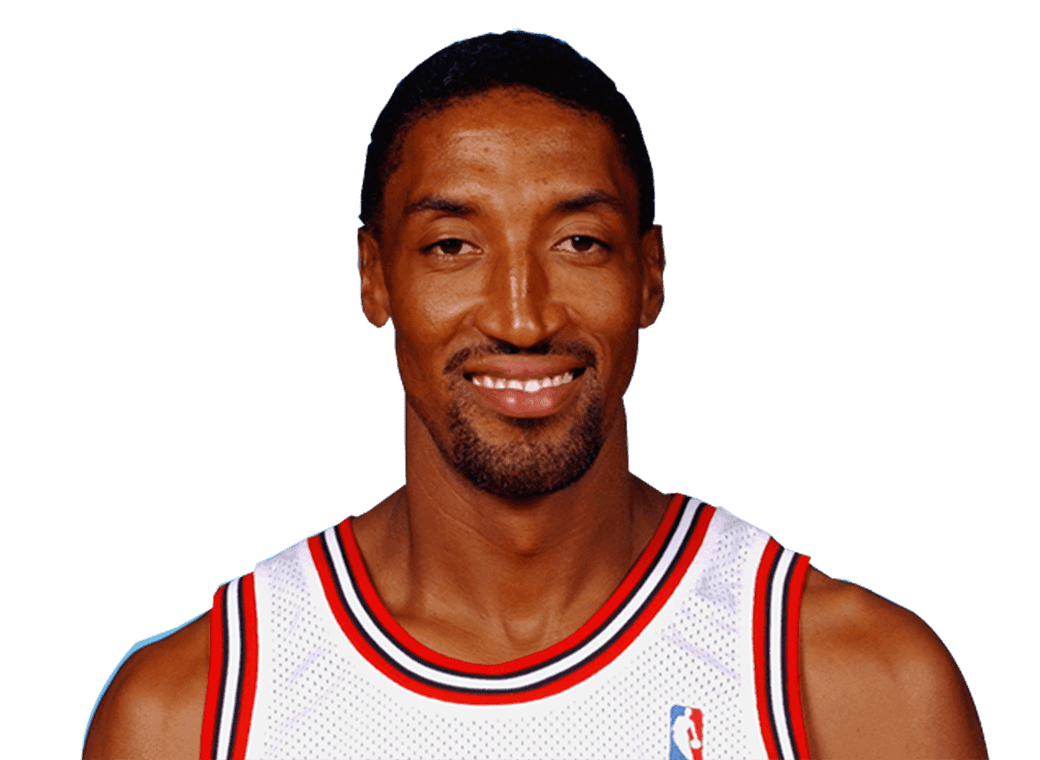
Scottie Pippen is the greatest example in basketball history of what it means to be exactly what your team needs. Without Pippen's #33, there is no second three-peat, no dynasty mythology, and arguably no six championships at all.
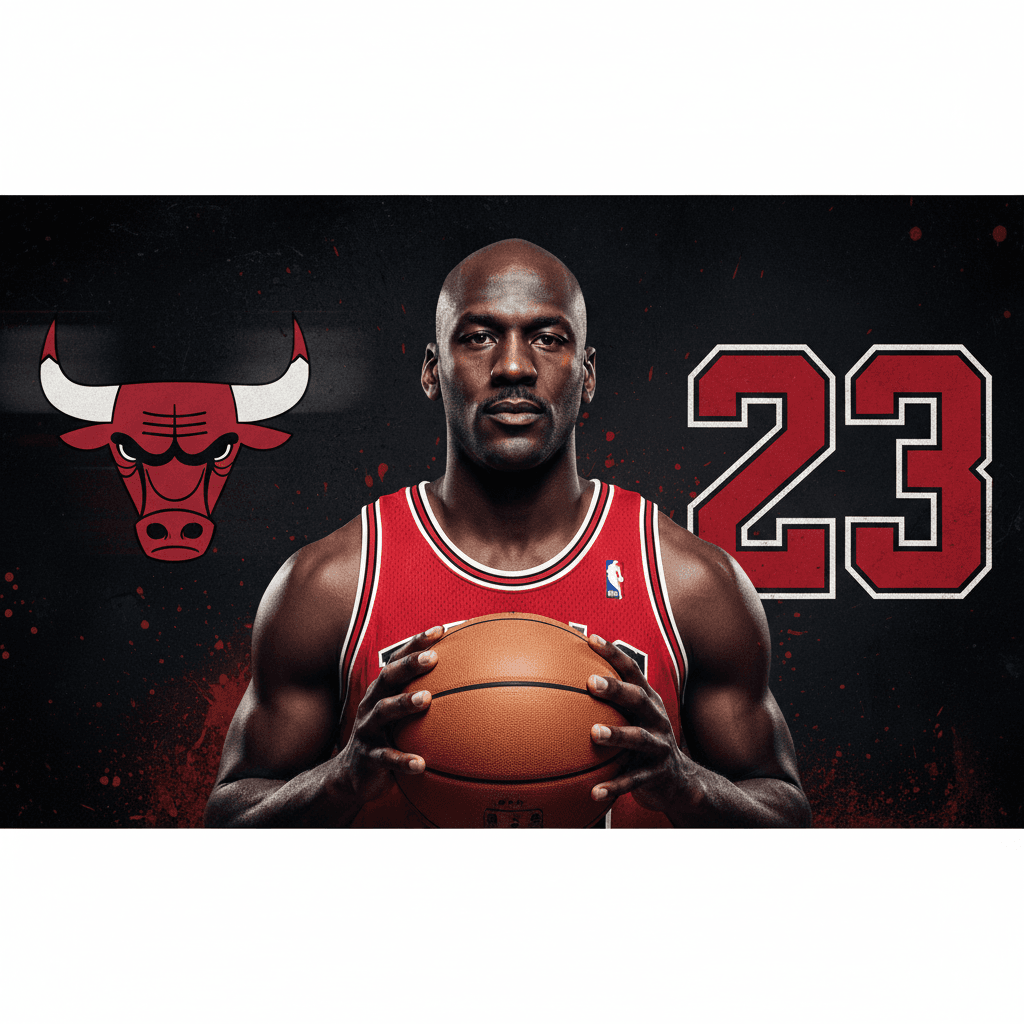
October 1, 1994: the Bulls retire #23 for the first time. Eighteen months later, Jordan faxed two words and they took it back down. The story of six championships, two three-peats, and the number that bent the gravity of basketball around itself.
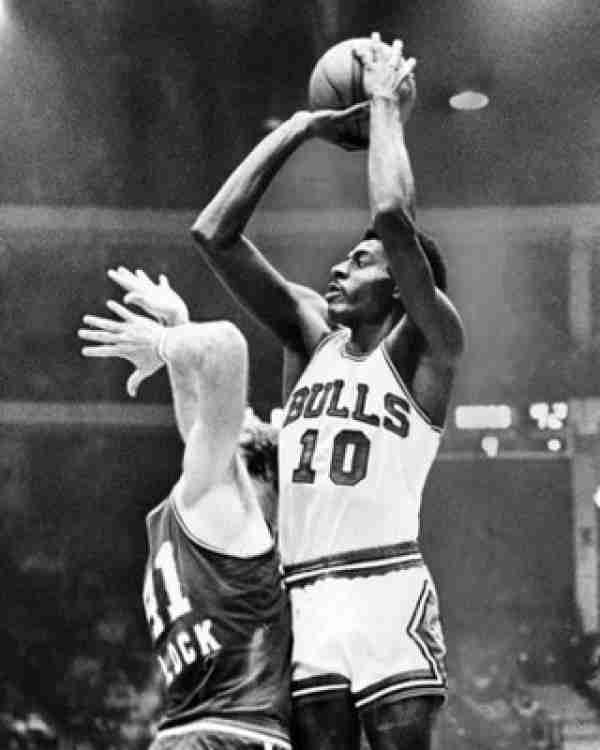
Bob Love was the Chicago Bulls' first great offensive player — a jump-shooting artist who averaged 21 points a game and made three All-Star teams. But the story of why the Bulls retired his #10 has as much to do with what happened after basketball as during it.