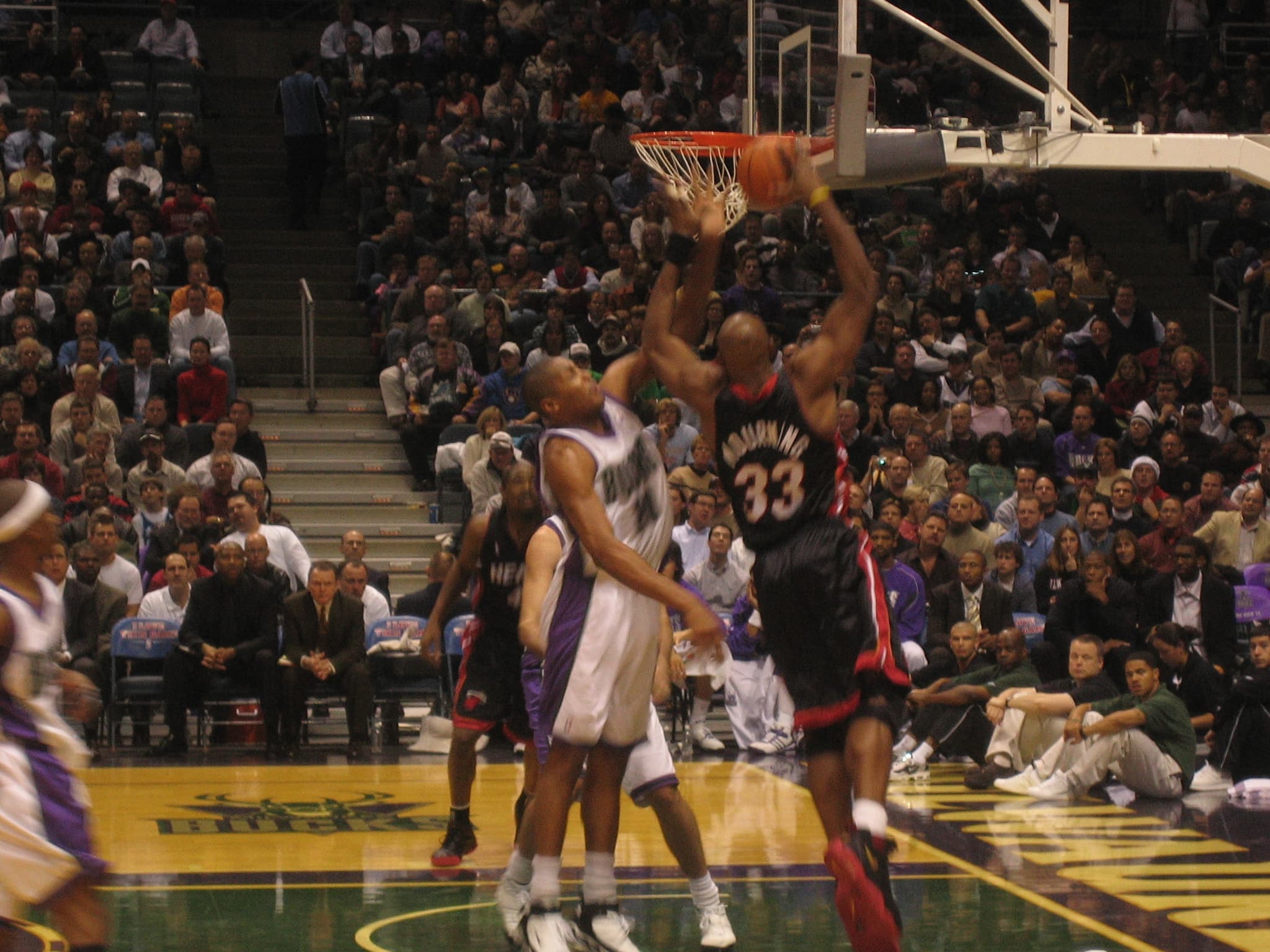
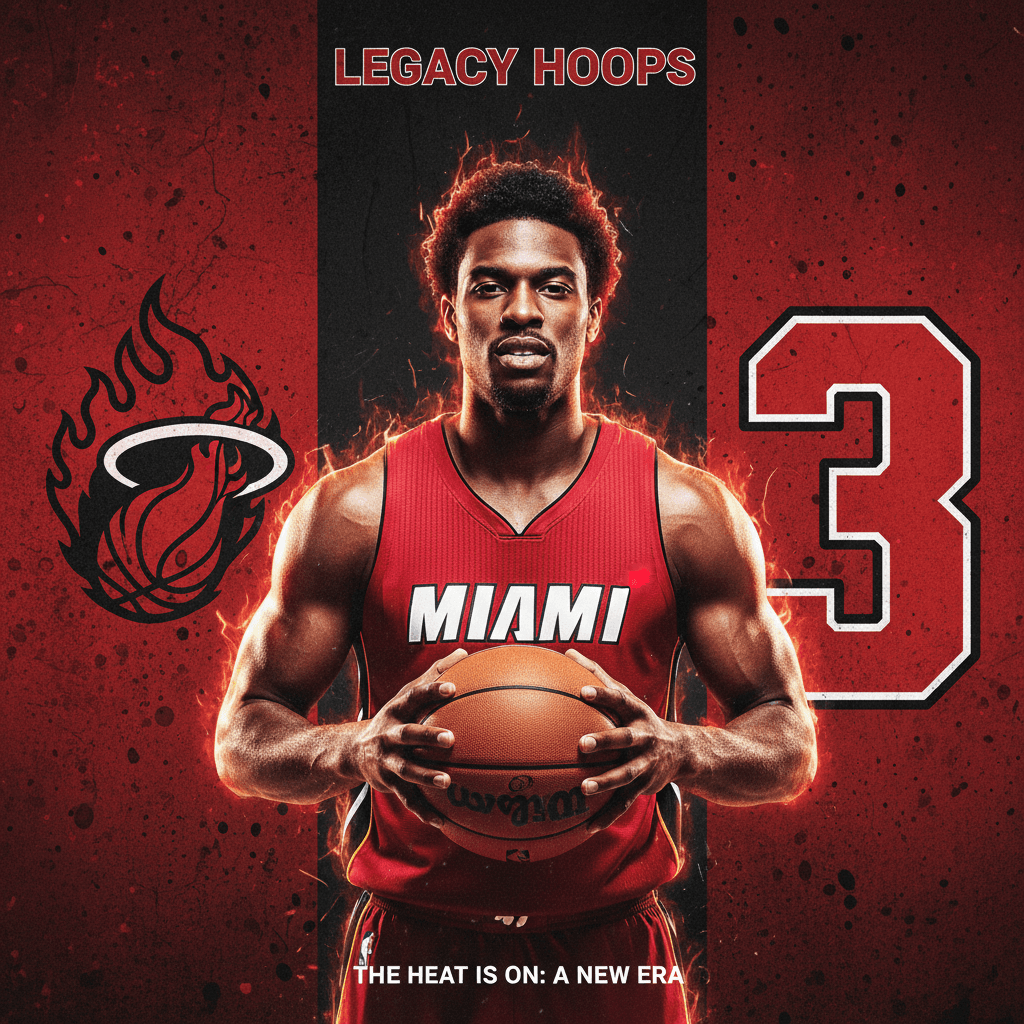
Founded in 1988 as an expansion franchise, the Miami Heat entered the NBA in South Florida and began a decade-long process of building a legitimate championship contender. The turning point arrived in 1995 when Pat Riley — fresh off multiple championship runs with the Lakers and Knicks — became head coach and installed a defensive-minded, accountability-driven culture that would define the franchise permanently. Riley's early Heat teams, anchored by Alonzo Mourning's elite interior defense and Dwyane Wade's future arrival, reached the Eastern Conference Finals in 1997 and established Miami as an Eastern Conference power.
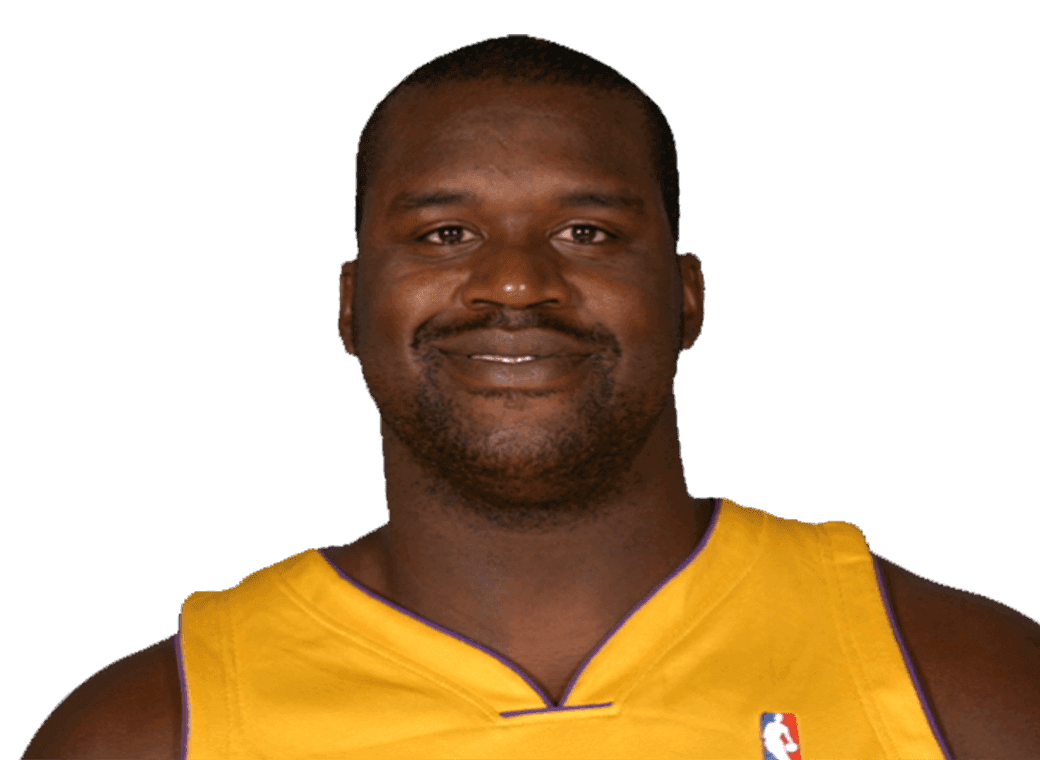
The 2003 NBA Draft changed the franchise's trajectory entirely. Dwyane Wade arrived as the fifth overall pick from Marquette, a natural scorer and defender with extraordinary clutch instincts. When Shaquille O'Neal — a four-time MVP and three-time champion — was acquired in 2004, the championship window opened immediately. Wade's 2006 NBA Finals performance against Dallas is one of the greatest individual series in postseason history: 34.7 points per game, 97 free-throw attempts in six games, and three consecutive comeback wins to take a series Miami had trailed 0–2. The Heat won in six. Wade was Finals MVP. Miami's first championship had arrived.
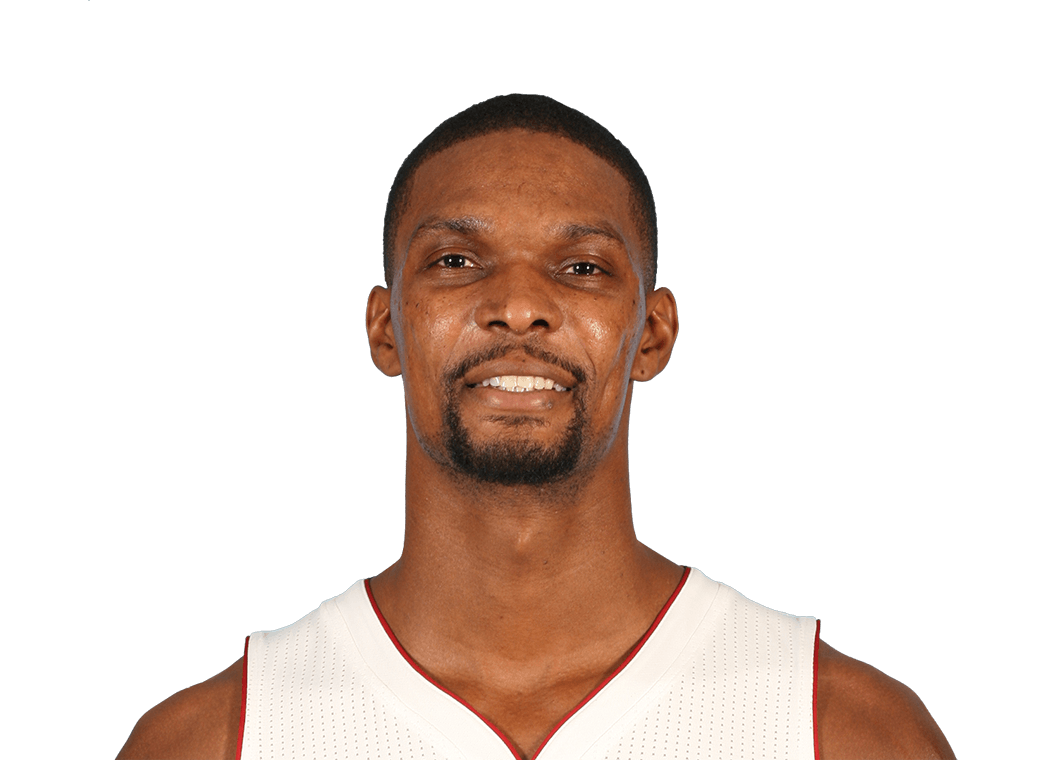
The summer of 2010 produced the most consequential roster construction in franchise history. LeBron James — already the best player alive — announced his move to Miami in 'The Decision,' joining Dwyane Wade and Chris Bosh in a superteam that produced four consecutive NBA Finals appearances from 2011 to 2014. The 2012 championship was won in five games over Oklahoma City, with LeBron's postseason run widely considered the best individual playoff performance of the modern era. The 2013 championship required one of sport's most dramatic moments: Ray Allen's corner three in the final seconds of Game 6, tying a series Miami was 9.4 seconds from losing, before the Heat won Game 7 the following night. LeBron was Finals MVP both years.
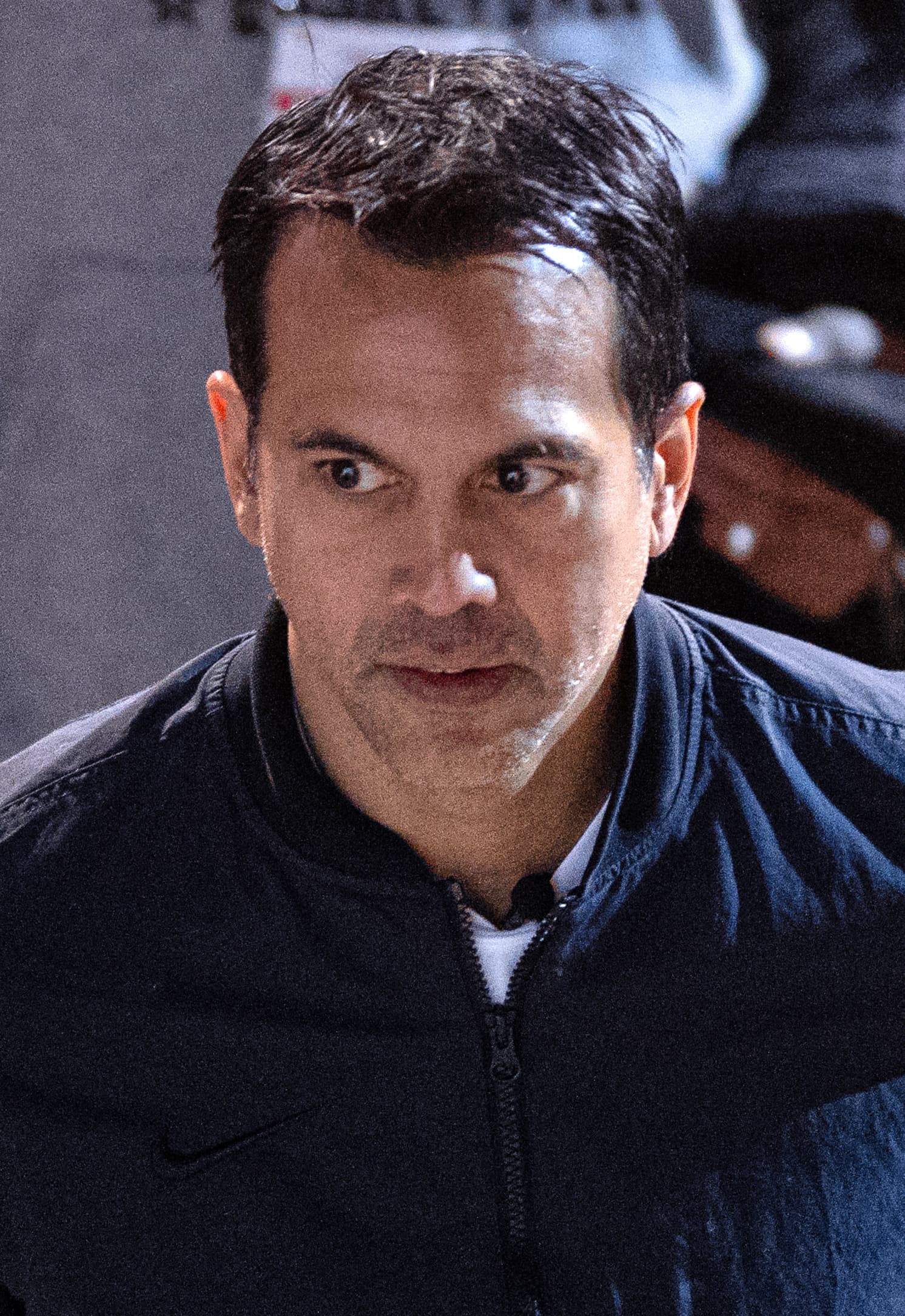
After LeBron's return to Cleveland in 2014, Miami rebuilt around the same cultural philosophy that had always defined it. Erik Spoelstra — who became head coach in 2008, making him one of the longest-tenured coaches in the NBA — continued developing undrafted players and overlooked prospects into contributors through relentless conditioning and system mastery. The 'Heat Culture' became an organizational standard referenced across the league. Miami reached the 2020 NBA Finals inside the COVID bubble, pushing the Lakers to six games, then returned to the Finals in 2023 as the first 8-seed in history to reach the championship round via the play-in tournament.
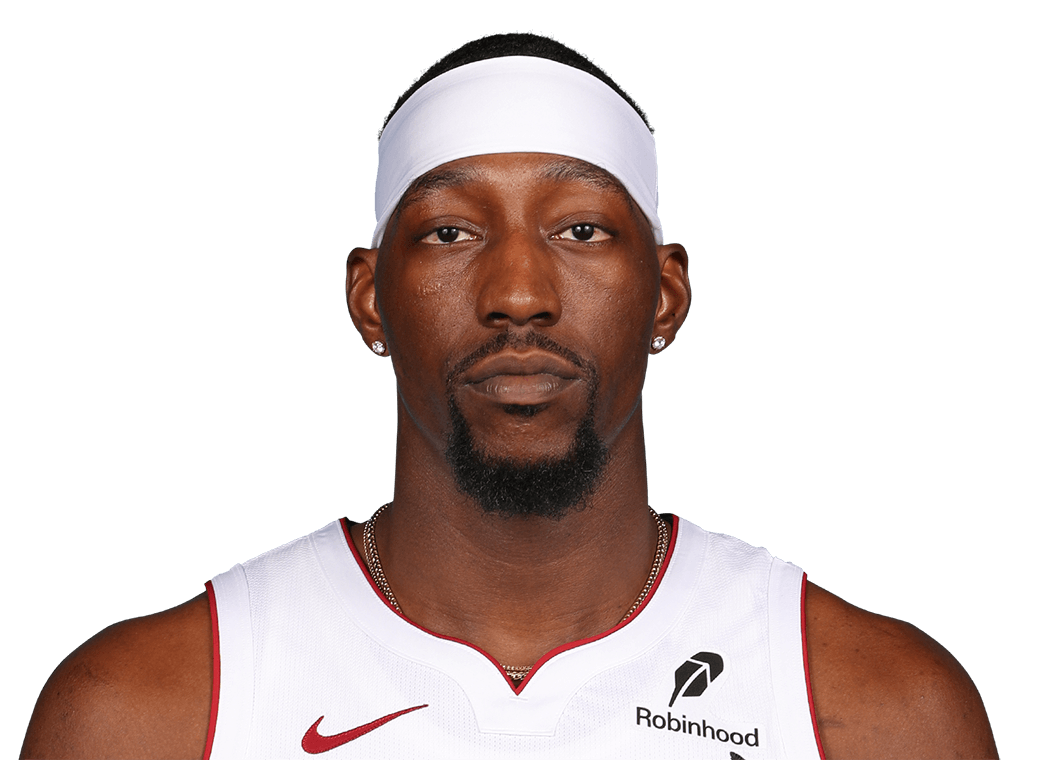
By 2025-26, Miami has rebuilt around Bam Adebayo — the franchise's most versatile two-way player and a perennial All-Star — and Tyler Herro, whose offensive creation has developed into one of the Eastern Conference's most reliable scoring options. The Heat remain one of the NBA's most respected organizations: a franchise that has won three championships across three distinct eras, consistently competed at the highest level, and maintained an organizational identity stronger than any individual player who has passed through it.