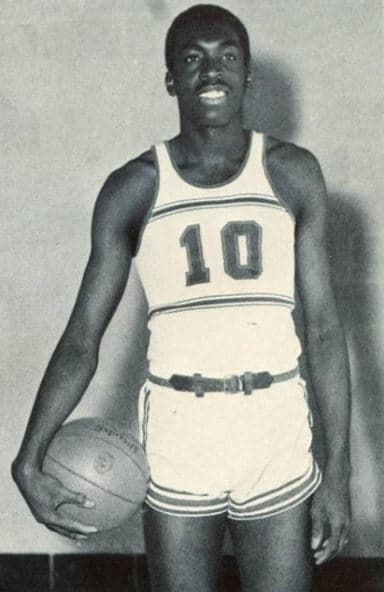
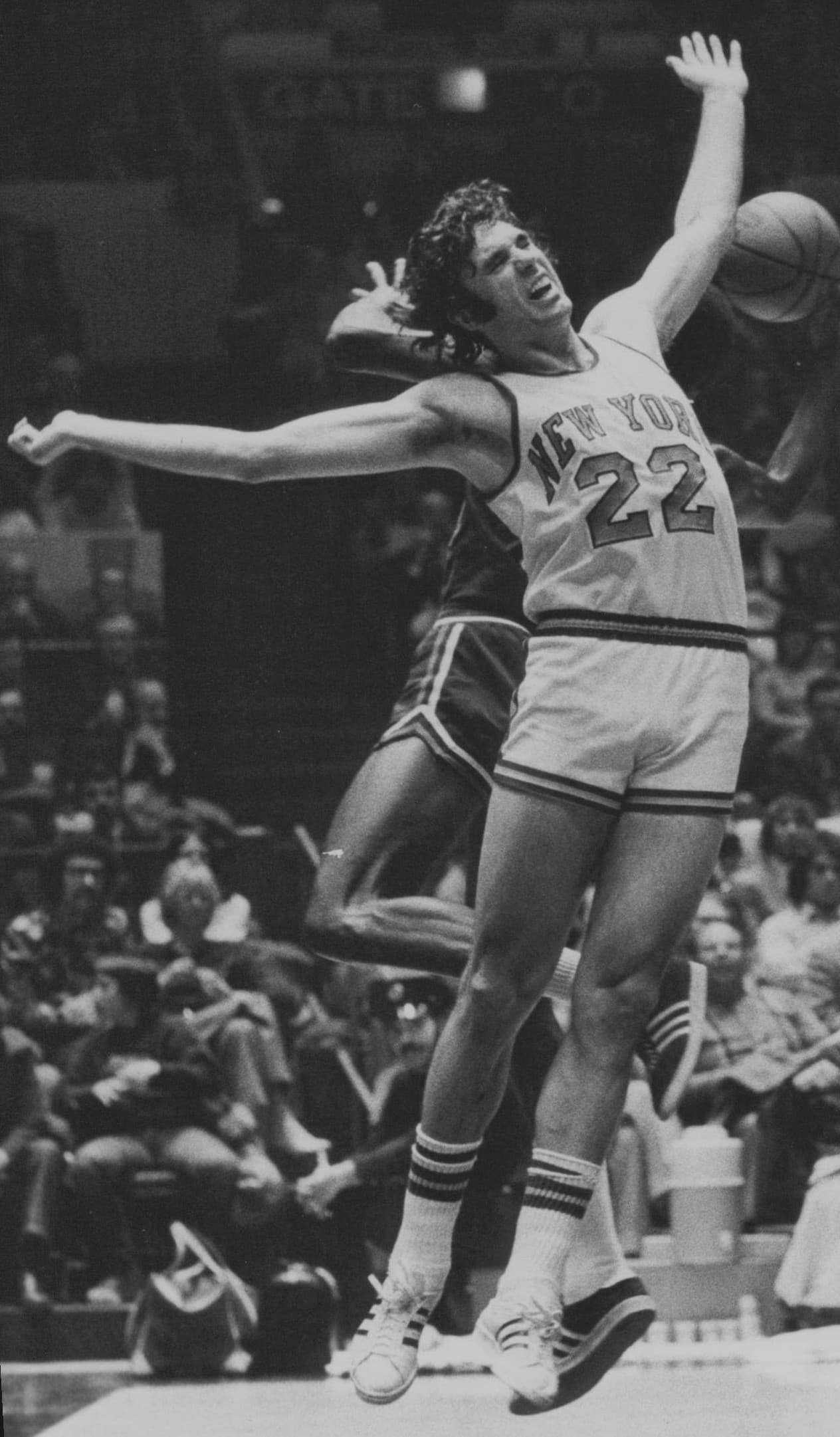
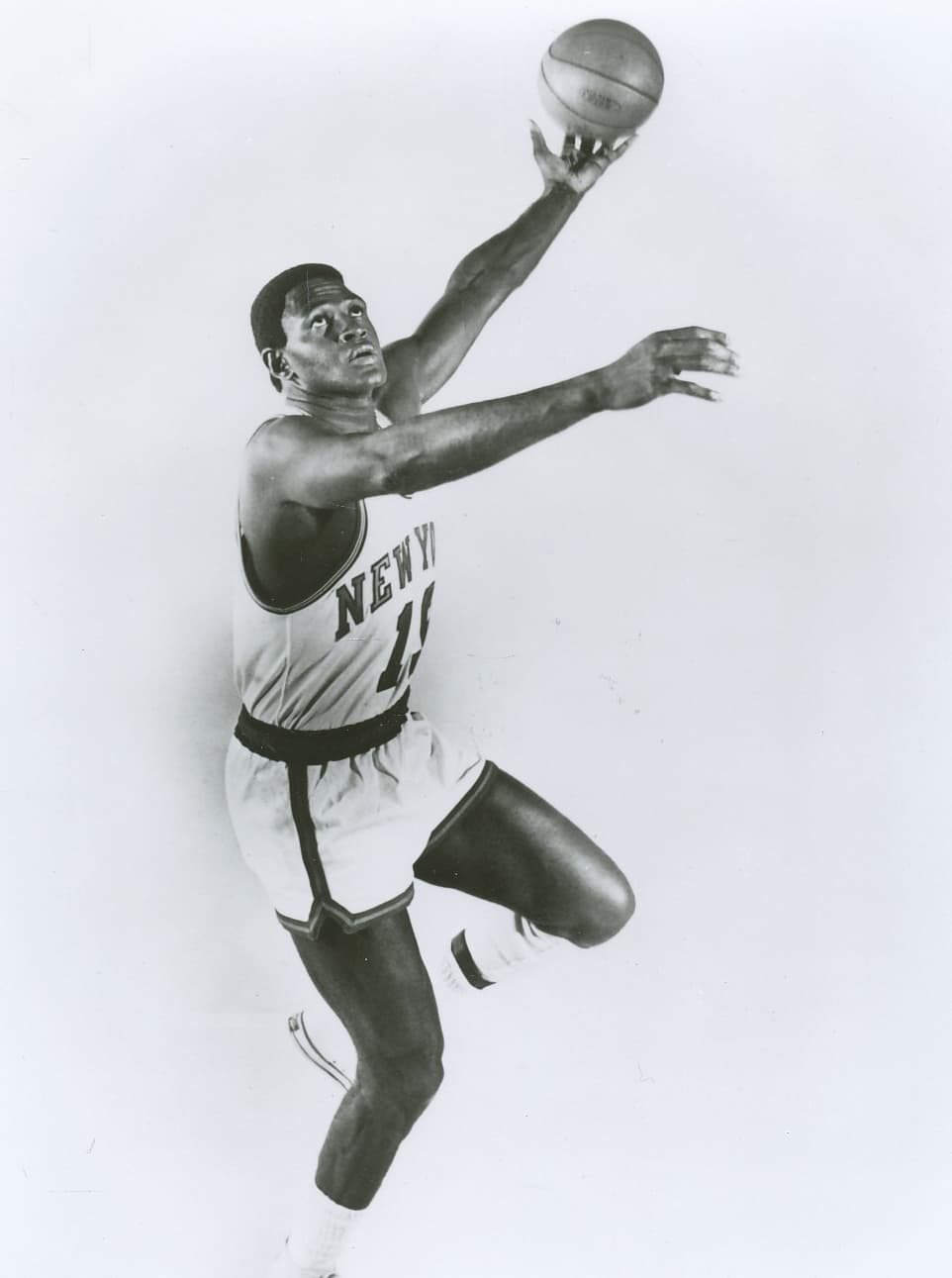
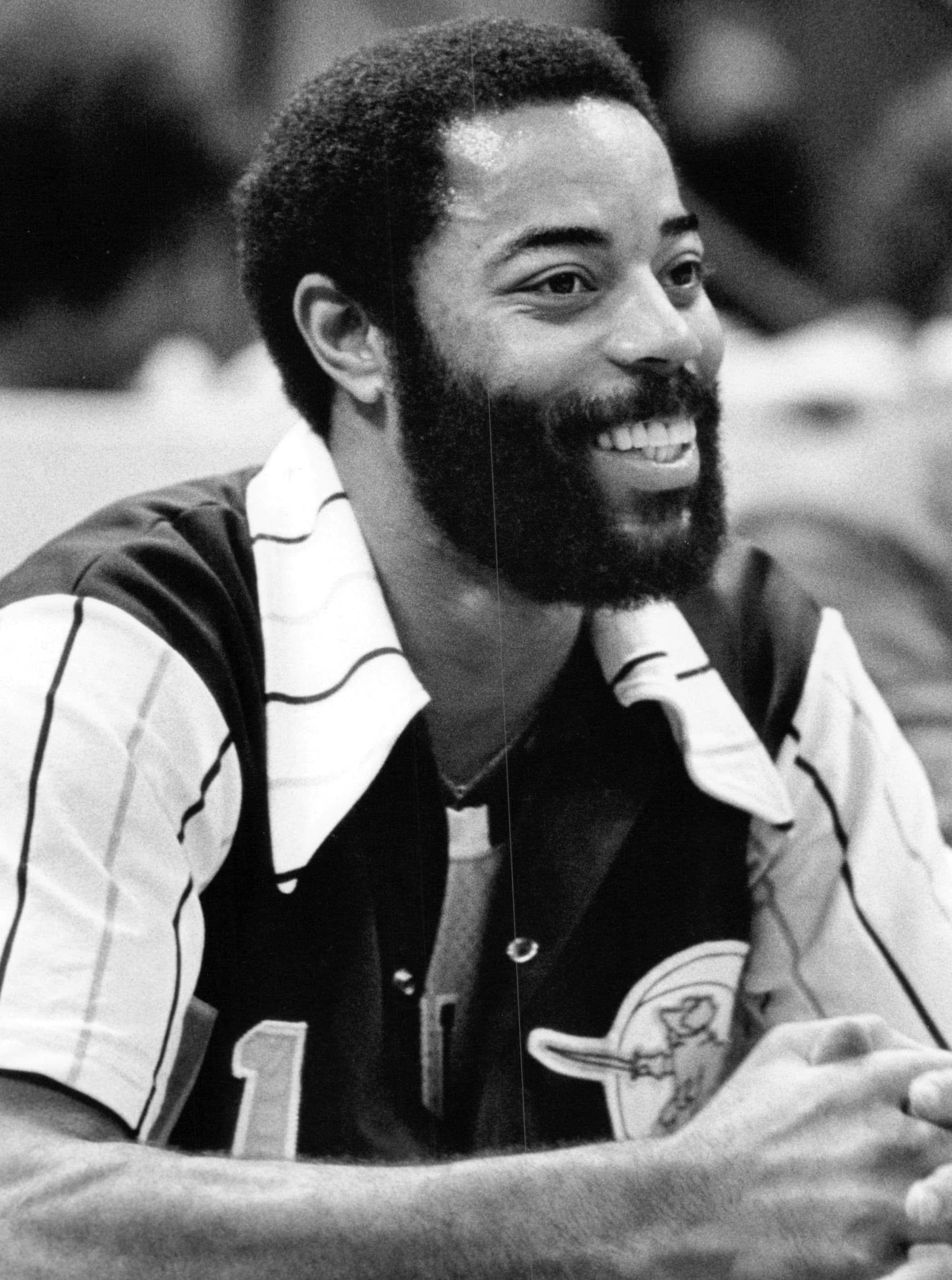
Why the Knicks Retired Walt Frazier's #10: Clyde, Two Championships, and the Art of Winning Cool
Walt Frazier was the coolest man in basketball — a two-time NBA champion, elite defender, and the defining Knick of the championship era.
143 Blog
Tiefgehende Basketballanalysen, Spielerprofile, Ausrüstungstests und Trainingseinblicke.
Walt Frazier was the coolest man in basketball — a two-time NBA champion, elite defender, and the defining Knick of the championship era.
143 Blog
Abonnieren Sie, um die neuesten Basketballanalysen, Spielereinblicke und Ausrüstungstests direkt in Ihr Postfach zu erhalten.
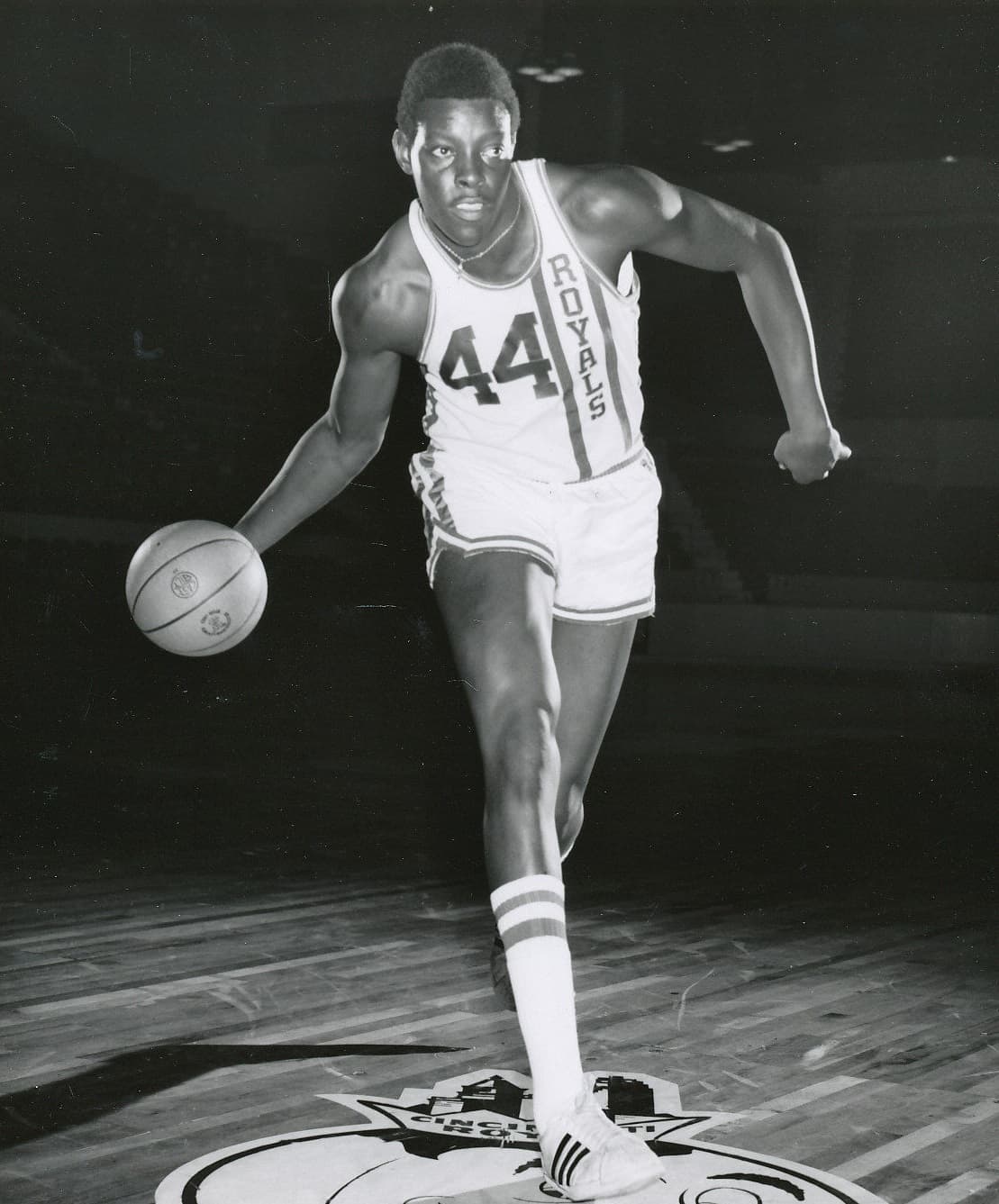
Sam Lacey anchored the Kings' frontcourt for twelve seasons through their most transitional years. His #44 honors the loyalty, durability, and professionalism of a player who gave everything to a franchise across three different cities.
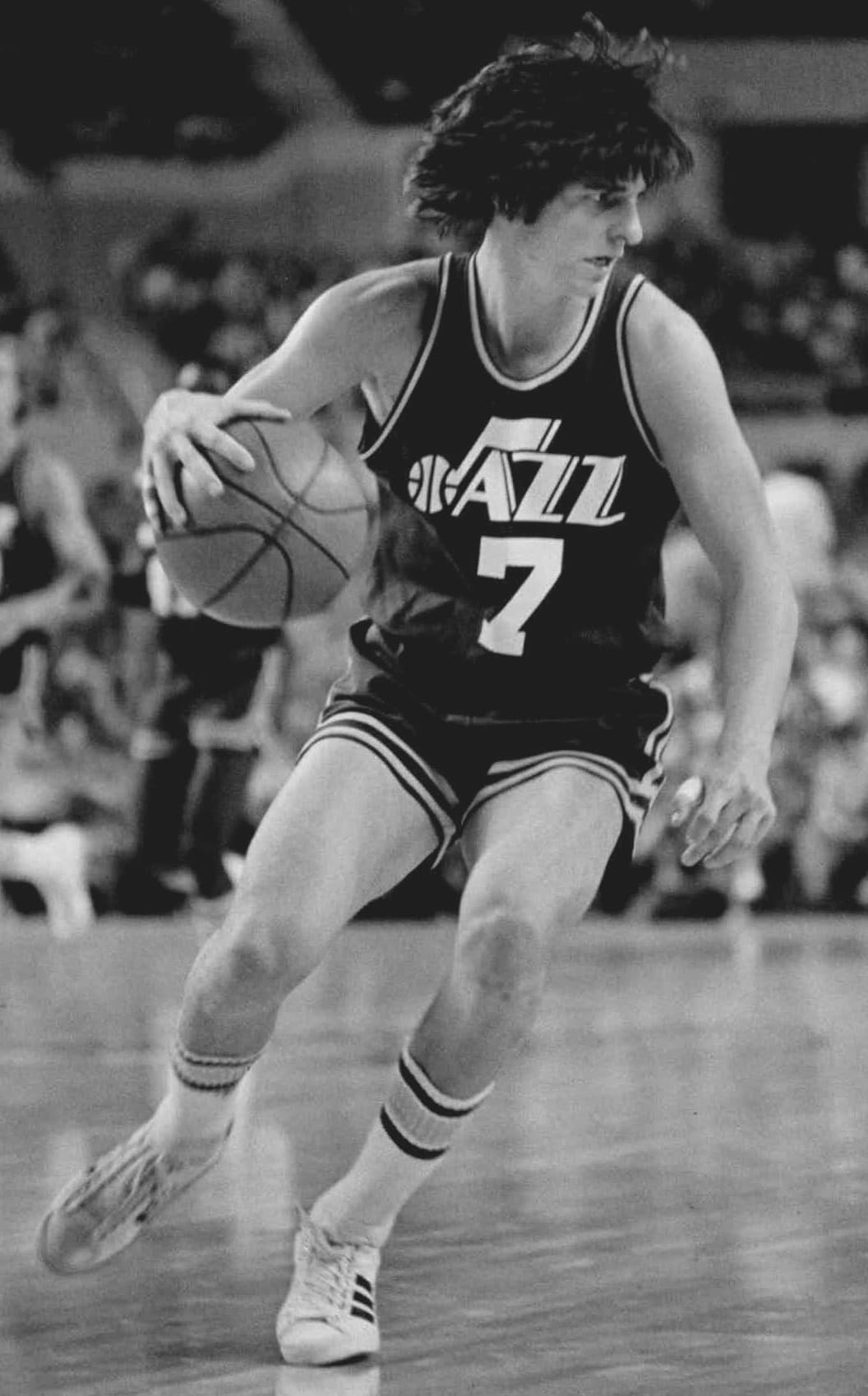
Pete Maravich never wore a Pelicans uniform. He played in New Orleans from 1974 to 1979, when the city had a team called the Jazz. But number 7 hangs retired in the Smoothie King Center — because some legacies belong to a city, not a franchise.
Jack McMahon was part of the Rochester Royals teams that defined the early NBA era. His #27 honors a founding generation of professional basketball players whose contributions built the franchise that became the Sacramento Kings.
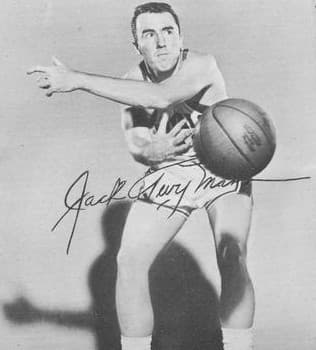
Jack Twyman was one of the NBA's finest scorers during the Cincinnati Royals era — but his legacy extends beyond statistics to an act of personal loyalty that defined his character and touched the entire basketball world.
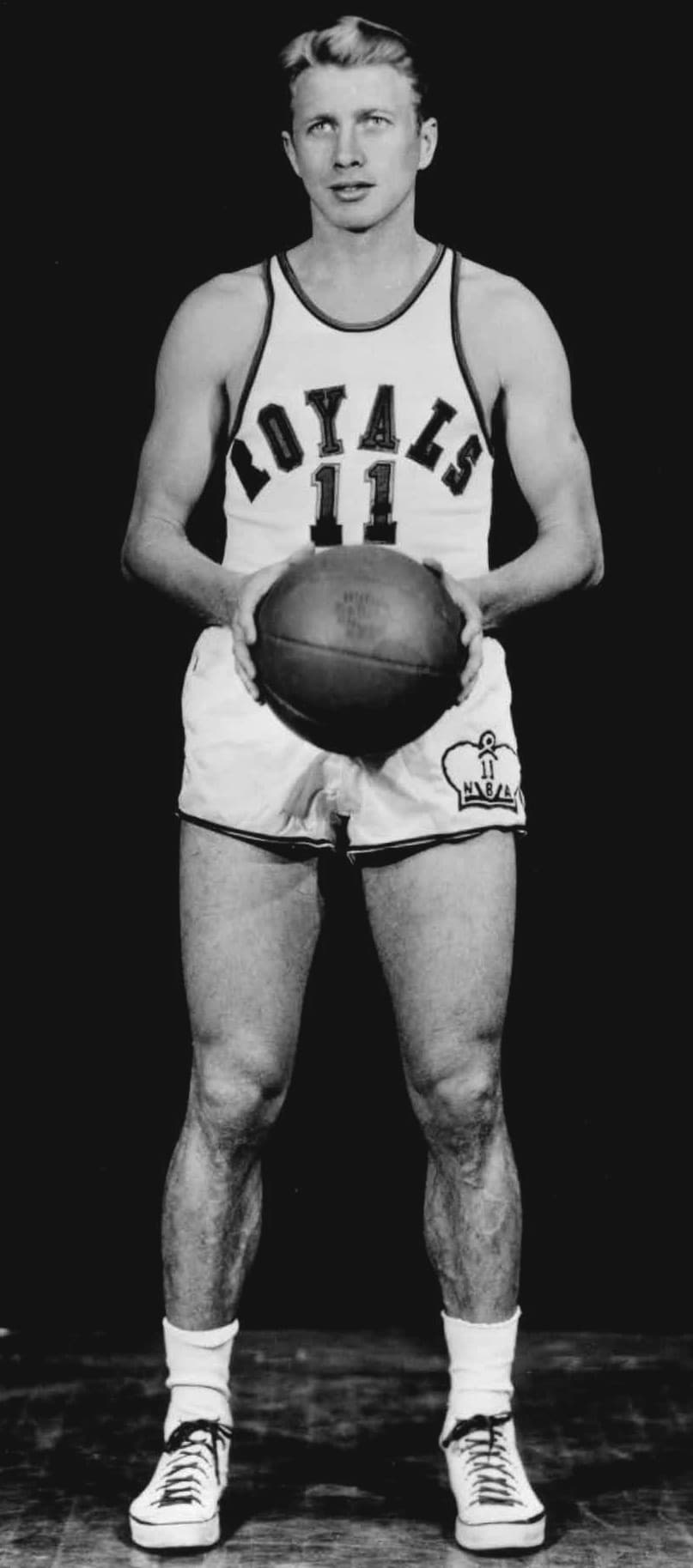
Bob Davies was the star guard of the Rochester Royals dynasty, a franchise pioneer whose showmanship and skill helped build the team that won the 1951 NBA Championship. His #11 connects Sacramento to the very origins of professional basketball.
The Sacramento Kings retired #6 for their fans — an honorary retirement that acknowledges the ARCO Army as one of the loudest and most passionate fan bases in NBA history.
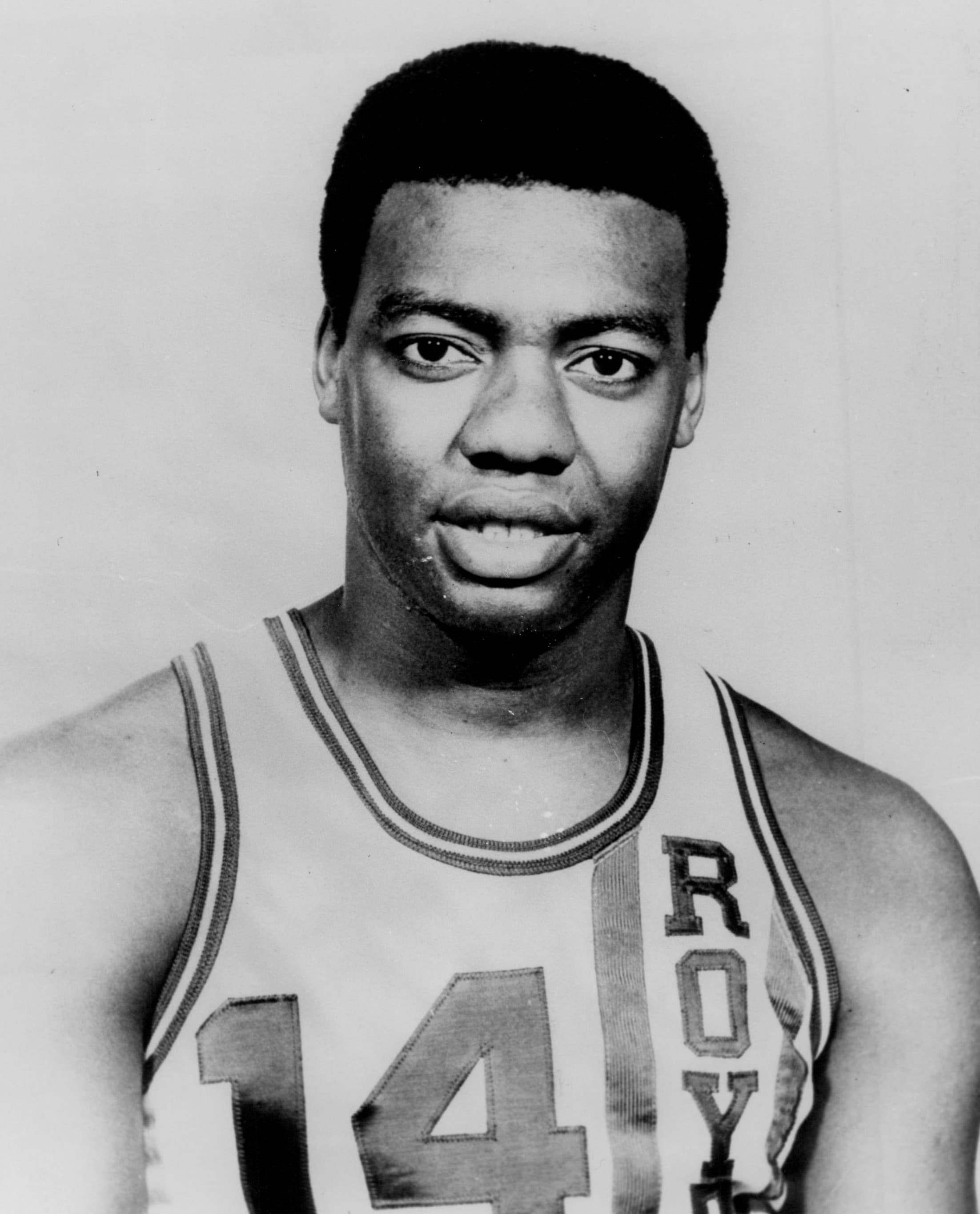
Oscar Robertson averaged a triple-double for the entire 1961-62 NBA season as a Cincinnati Royal. The Big O's #12 honors the greatest player in Kings franchise history — a man who redefined what a point guard could be.
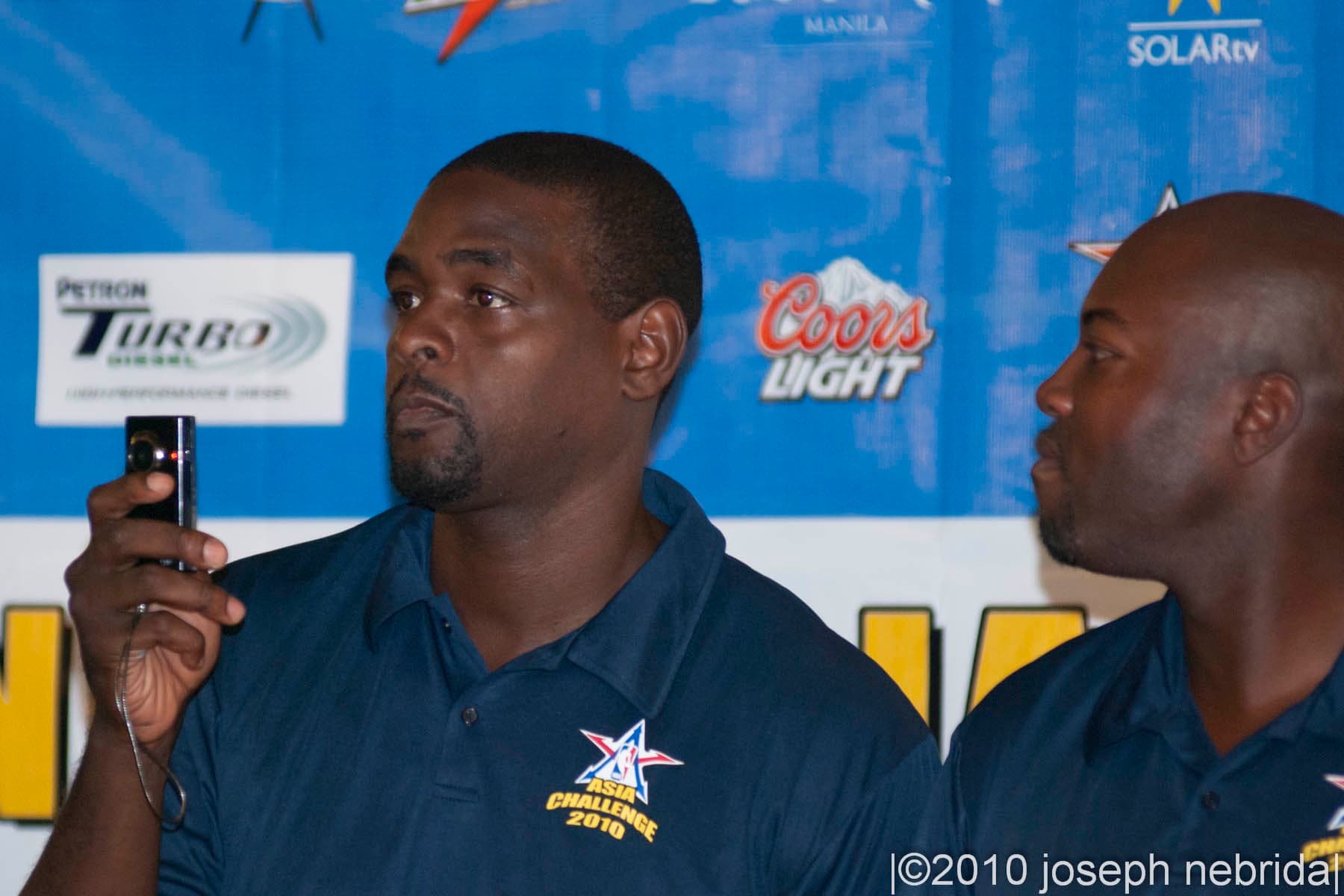
Chris Webber led the 2001-02 Sacramento Kings to 61 wins and within one controversial series of the NBA Finals. His #4 in the rafters is the monument to the most beloved era in franchise history.
Mitch Richmond spent his prime years in Sacramento delivering All-Star performances for a team that rarely contended. His #2 in the rafters is the franchise's permanent acknowledgment of a greatness the world was slow to notice.
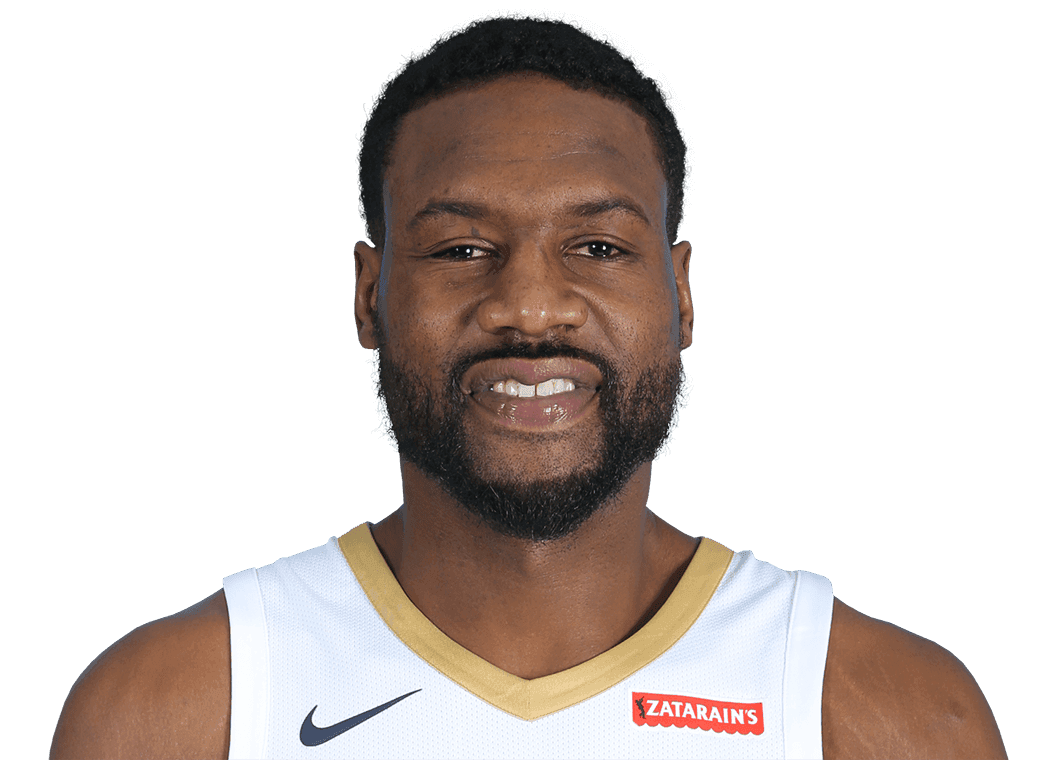
Tony Allen earned six All-Defensive First Team selections in Memphis and became the Grindfather — the defensive identity of a Grizzlies team that made the Western Conference Finals and never stopped competing.
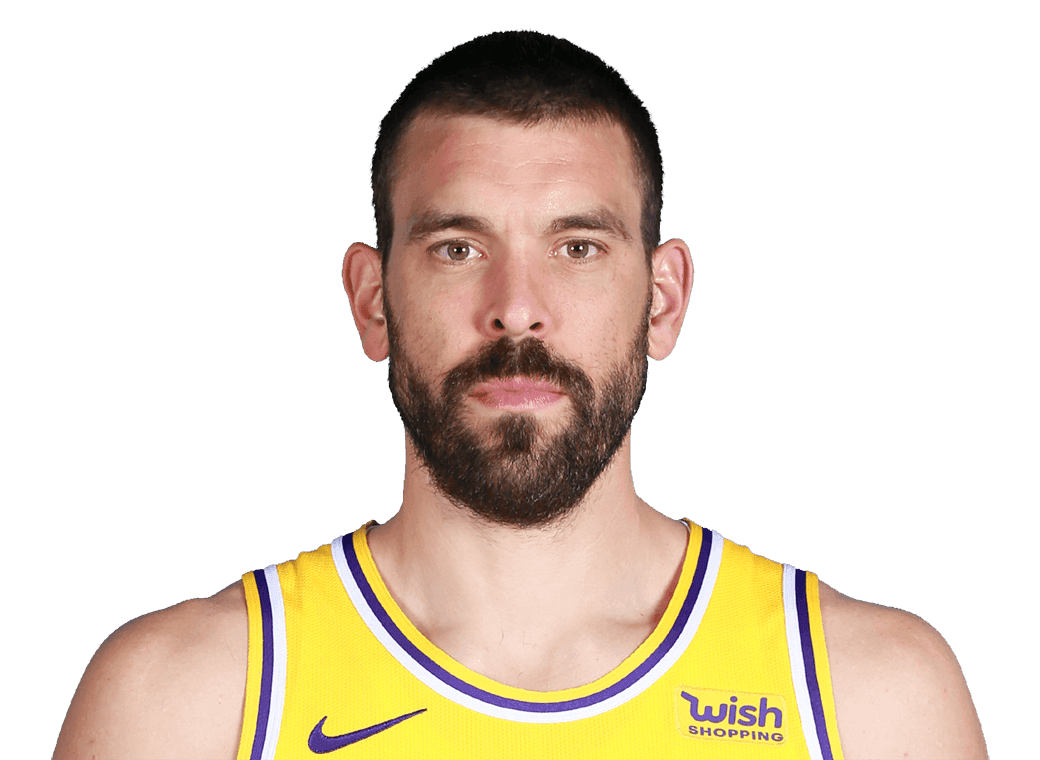
Marc Gasol spent eleven years in Memphis becoming the NBA's Defensive Player of the Year, a three-time All-Star, and the most important player in franchise history.
Nate Archibald did something in 1972-73 that no player before or since has managed: he led the entire NBA in both scoring and assists simultaneously. Fifty years later, his #1 still hangs in Sacramento's rafters.
Zach Randolph averaged 20.8 points and 11.7 rebounds in his first Memphis season and never stopped. Eight years, two All-Star appearances, and a city that still says his name with reverence.
Jerry Sloan coached the Jazz for 23 seasons, won 1,127 games with one franchise, and built the Stockton-Malone dynasty. Here is why #1223 belongs in the rafters.
Frank Layden drafted Stockton, built the Jazz culture in Utah, and laid the foundation for the Stockton-Malone dynasty. Here is why coach #1 belongs in the rafters.
Mark Eaton went from auto mechanic to two-time Defensive Player of the Year, setting the all-time single-season blocks record at 5.56 per game. Here is why #53 belongs in the rafters.
Darrell Griffith was the first All-Star in Utah Jazz history, led the NBA in three-pointers in 1984, and gave Salt Lake City its first franchise player. Here is why #35 belongs in the rafters.
The Mailman. Two-time MVP, the second-leading scorer in NBA history, and the greatest power forward ever to play — who gave 18 seasons to Utah and never won the ring. Why the Jazz retired Karl Malone's #32.
Jeff Hornacek went undrafted, shot 43.5% from three, and was the indispensable third piece of the Stockton-Malone era Jazz. Here is why #14 belongs in the rafters.
© 2026 143 Basketball Haven