This page contains affiliate links. We may earn a commission if you purchase through these links, at no extra cost to you. As an Amazon Associate I earn from qualifying purchases.
When the 2014-15 Golden State Warriors began tracking how many steps defenders took before the ball was caught, they found their best defensive possessions were the ones where defenders had taken position 1.5 seconds before the catch — defense at its highest level is anticipation made physical, and footwork that is preemptive rather than reactive. This guide trains the four pieces most players never deliberately practice. The stance comes first: feet staggered, weight on the balls of the feet, hips at or below your opponent's, arms active not reaching. The slide teaches lateral movement without crossing feet — push from the trail foot, keep 12 inches of base, stay low. Closeouts cover sprinting from help then chopping the final 6-8 feet to arrive in stance, taking away the shot before the drive. Help defense positioning uses the ball-you-man line. A 20-minute routine, four days a week, makes it automatic.
Related: Defensive Basketball Drills 2026
The Stance: Everything Starts Here
A proper defensive stance is uncomfortable. That's not a bug — it's a feature. If your stance feels natural and relaxed, you're probably not low enough or wide enough to defend effectively.
The elements of an elite on-ball stance:
- Feet shoulder-width apart, one foot slightly staggered — your lead foot (inside foot relative to your guarding position) is 6-8 inches ahead of your back foot. This allows explosive lateral movement in either direction without a reset step.
- Weight on the balls of your feet, not your heels. Stand flat-footed and have someone push your shoulder. You stumble. Stand on the balls of your feet and absorb the same push. Weight distribution determines your ability to change direction.
- Hips at or below your offensive player's hip level. The player with lower hips controls the contact point. Every charge drawn, every bump that creates an off-balance shot — they all start with the defender having lower leverage.
- Arms active, not passive. Your lead hand influences the dribbler's direction. Your back hand sits ready to deflect. Neither hand reaches — reaching creates momentum you can't recover from.
"Kids want to know the secret to defense. I tell them: get your stance right, and defense gets 60% easier automatically. Most players have never been in a proper stance for more than ten seconds." — Monty Williams, NBA head coach
The Slide: Lateral Movement Without Crossing Feet
The defensive slide is the most critical footwork skill in basketball and the one most players do incorrectly. The most common error: crossing your feet. Crossing your feet creates a brief moment where you can't change direction, and NBA guards will find that moment every time.

Proper slide mechanics:
- Push, don't step. Movement initiates with a push from the trail foot, not a reach with the lead foot. This keeps your base wide throughout the movement rather than collapsing it as you move.
- Lead foot never crosses the trail foot. The minimum distance between your feet during a slide is 12 inches. If they get closer, you've lost your base and your defensive leverage.
- Stay low throughout. Your head height should remain constant. If you're bobbing up with each slide step, you're losing your stance and giving up leverage on every exchange.
- Anticipate, don't react. Your slide direction should be triggered by the offensive player's hip movement, not their hand or foot movement. The hips commit first — everything else is a fake.
Slide drill progression: Mirror drill (partner initiates, you mirror), cone weave (maintain stance through changes of direction), and shadow defense (full-speed live dribble with no live defense — focus purely on your own foot discipline).
Closeouts: The Most Misunderstood Skill in Defense
A closeout is the sprint from help defense position to on-ball coverage when the ball is kicked to the perimeter. Done wrong, it's an invitation to drive by. Done right, it takes away both the catch-and-shoot and the drive simultaneously.
Most players close out in a straight line at full speed. This is wrong for two reasons: the offensive player can drive past you because your momentum is still going forward, and you can't adjust to a shot fake because you're not under control.
The NBA-standard closeout:
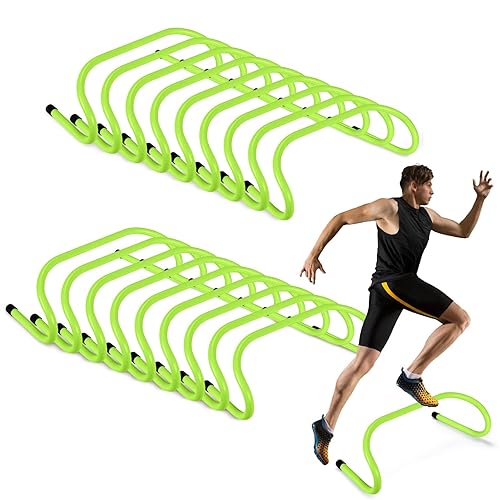
- Chop your steps at the final 6-8 feet. Transition from sprint to controlled approach by shortening your stride length. Your last 4-5 steps should be quick, short chops that arrest your momentum.
- Arrive with hands up, not reaching. Your hands go up to contest the shot, not to reach for the ball. Reaching creates the drive-past opportunity.
- Land in your defensive stance. When you stop your closeout, your feet should be in your defensive stance — ready to slide or mirror a jab step.
- Take away the shot first, then the drive. Elite three-point shooters like Steph Curry score primarily because defenders close out so carefully to protect the drive lane that they forget the three-pointer is the primary threat. Identify it and take it away first.
Help Defense Positioning
Where you stand when you don't have the ball determines whether your team gives up wide-open threes or forces difficult shots. The "I-position" — on the line between your man and the ball — is the starting point, but elite teams adjust constantly.
Principles of elite help positioning:
- You should always see both the ball and your man without turning your head more than 45 degrees — the "pistols" or "ball-you-man" principle.
- Your help-side position should split the difference: close enough to stop any backdoor cut, far enough to recover on a skip pass.
- When the ball enters the post, weakside defenders pinch toward the lane to shorten any rotation to a cutter. Players who hold their spot when the ball goes to the post are the source of backdoor layups.
The Warriors' scheme under Kerr doesn't ask players to be great individual defenders. It asks them to be in the right position before any pass is made. Positioning eliminates the decision-making reaction time that individual skill is meant to solve — and it does so more reliably.
The 20-Minute Defensive Footwork Routine
Add this to any practice session, four days per week:
- Minutes 0-4: Stance holds. Get into your defensive stance and hold for 30 seconds. Rest 10 seconds. Repeat 6 times. Your legs will burn. That's the adaptation target.
- Minutes 4-10: Mirror slides. Partner-initiated, no crossing of feet, 45 seconds of continuous work. Switch roles. Three rounds.
- Minutes 10-16: Closeout practice. Partner at the three-point line, you start at the lane. Sprint, chop, arrive in stance. Partner pump fakes; you stay disciplined. 30 reps.
- Minutes 16-20: Live 1-on-1 from the three-point line. Use everything from above. Focus on your own footwork discipline, not the score.
Frequently Asked Questions
What does a correct defensive stance look like?
A proper on-ball stance has feet shoulder-width apart with one foot staggered six to eight inches ahead (the lead foot, inside relative to your guarding position), weight on the balls of your feet not your heels, hips at or below your offensive player's hip level, and arms active rather than reaching. If the stance feels comfortable and natural, you are probably not low enough or wide enough — proper stance is uncomfortable on purpose. The player with lower hips controls the contact point, which is the origin of every charge drawn and every off-balance shot forced. Monty Williams' framing: "Get your stance right, and defense gets 60% easier automatically."
What is the most common mistake when sliding on defense?
Crossing your feet. Crossing the lead foot over the trail foot creates a brief moment where you cannot change direction — NBA guards find that moment every time, and lower levels are not far behind. The fix is the push, not the step: movement initiates with a push from the trail foot, not a reach with the lead foot. The minimum distance between your feet during a slide is 12 inches; if they get closer, you have lost your base and your defensive leverage. Stay low throughout — your head height should remain constant, not bob up with each slide step, which gives up leverage on every exchange.
How do you close out on a shooter without flying by?
Chop your steps in the final six to eight feet. Transition from sprint to controlled approach by shortening your stride; the last four to five steps should be quick, short chops that arrest your momentum. Arrive with hands up to contest the shot — not reaching for the ball, which creates the drive-past opportunity. When you stop your closeout, your feet should land in your defensive stance, ready to slide or mirror a jab step. Take away the shot first, then the drive — elite three-point shooters score primarily because defenders close out so carefully to protect the drive lane that they forget the three-pointer is the primary threat.
Where should I stand when I am the help defender?
Start in the "I-position" on the line between your man and the ball — what coaches call "pistols" or "ball-you-man." You should see both the ball and your man without turning your head more than 45 degrees. Your help-side position splits the difference between two threats: close enough to stop any backdoor cut, far enough to recover on a skip pass. When the ball enters the post, weakside defenders pinch toward the lane to shorten any rotation to a cutter — holding your spot in that moment is the source of backdoor layups. The principle the Warriors codified: positioning before the catch eliminates the reaction-time decision individual skill is meant to solve.
How often should I train defensive footwork?
Four days a week, 20 minutes per session, added to your normal practice. The routine in this article runs: minutes 0-4 are stance holds (30 seconds hold, 10 seconds rest, six rounds), minutes 4-10 are partner-initiated mirror slides with no crossing of feet, minutes 10-16 are closeout practice from the lane to the three-point line with a partner pump-faking, and minutes 16-20 are live 1-on-1 from the three-point line with the focus on your own footwork discipline rather than the score. Players who commit to this 20-minute block four times a week find that offensive players start making different choices when they see them coming.
Defense doesn't get celebrated on social media. It won't make your highlight reel. But the players who commit to these 20 minutes, four days a week, will find that offensive players start making different choices when they see them coming — and that's a form of dominance that doesn't need a dunking video to prove itself.
Related guides
Enjoying this analysis?
Get more breakdowns like this delivered to your inbox.