This page contains affiliate links. We may earn a commission if you purchase through these links, at no extra cost to you. As an Amazon Associate I earn from qualifying purchases.
Kyrie Irving is not the fastest player in the NBA. He never has been. His forty-yard dash time, extrapolated from basketball tracking data, is solidly average for a professional athlete. Yet he creates separation from defenders faster than almost any player alive, with a first step that looks like he teleported 6 feet while the defender was still deciding which way to lean. The speed isn't in his legs. It's in his body position before his legs ever move.
Related: Increase Your Vertical Jump: Science-Based Training
The first step is the most misunderstood physical skill in basketball. Players try to develop it by doing ladder drills and sprint work — exercises that train top-end speed and foot turnover rate. These help marginally. But the explosive first step that changes games is almost entirely determined by what happens in the 0.3 seconds before the first foot leaves the floor. Fix the pre-movement, and everything downstream gets faster automatically.
Why Most Players' First Steps Are Slow
Stand in a relaxed, upright position. Now try to sprint to your right. Notice what happens: you rock slightly backward first, loading your weight, before you can push off your left foot. That rock — the countermovement preparation — takes time. And time, in this context, is the defender recovering position.
The slow first step happens when your weight is neutral or back-loaded in your stance. Your body needs to move weight forward before it can use that weight as leverage to push off. Every millisecond of that preparation is a millisecond the defender uses to read your direction and begin their slide.
The explosive first step happens when your weight is pre-loaded forward — when the preparation is already done before you decide to go. Irving's stance while holding the ball puts roughly 60-65% of his weight on the balls of his feet, forward-distributed, with a very slight lean that means when he decides to go, there's no preparation phase. The body is already cocked. He just pulls the trigger.
Mechanics Fix 1: The Triple-Threat Lean
Your triple-threat position — the stance you hold while dribbling or catching the ball before deciding to shoot, pass, or drive — determines your first-step quality entirely.
Most players' triple-threat stance is too upright, too symmetric, or too wide. An upright, symmetric stance with weight distributed evenly is comfortable and balanced. It's also the slowest possible launching position.
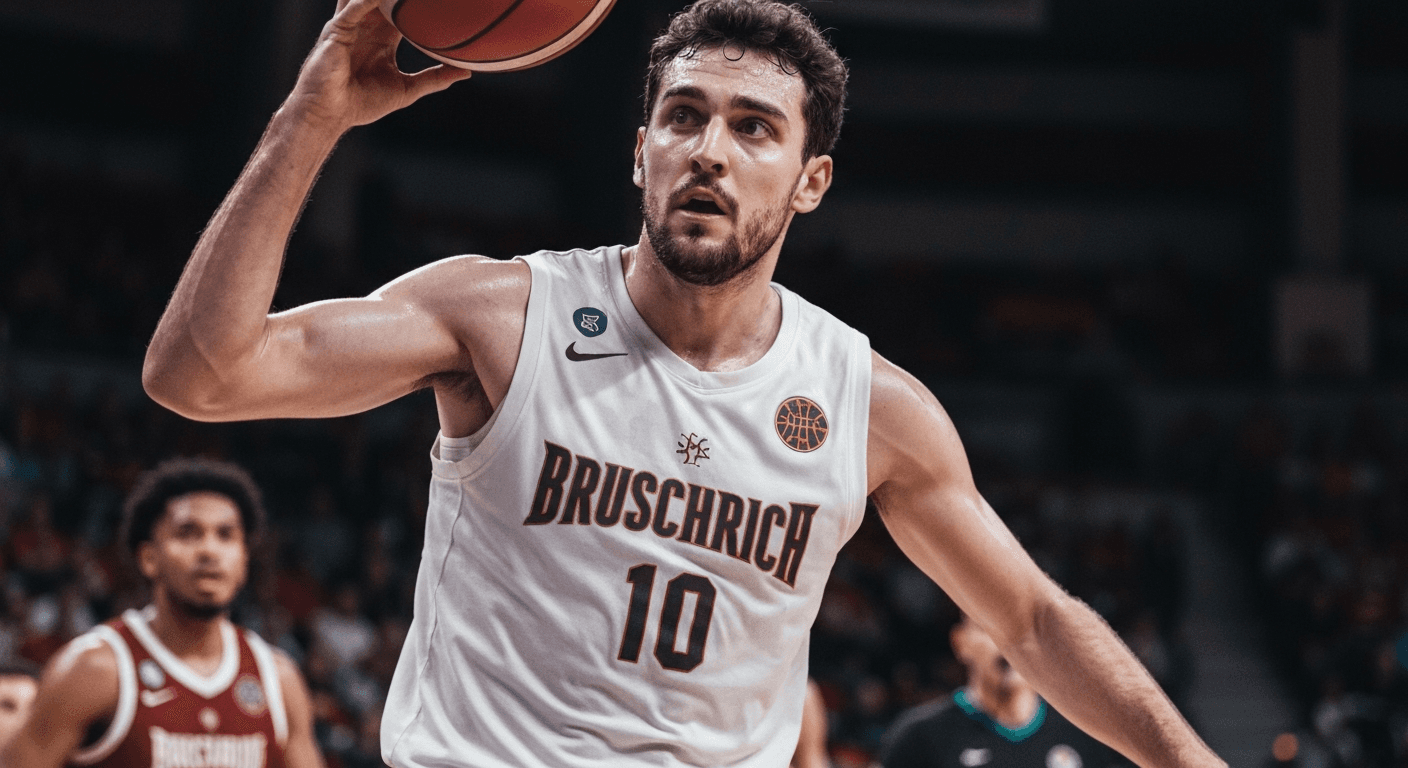
The adjustment: Bring your feet to a width between hip-width and shoulder-width. Point your lead foot toward your drive direction. Bend your knees so they're over your toes, not behind your heels. Tilt your torso very slightly forward — 5-10 degrees, enough to feel your weight on the balls of your feet.
In this position, your center of gravity is already forward of your base. The first step doesn't need to generate momentum because momentum already exists. You're releasing a coiled spring rather than winding one up.
Film study shows that the fastest first steps in NBA history — Iverson, Irving, Chris Paul — all begin from stances with a forward lean of 8-15 degrees and weight clearly on the balls of the feet. The defenders guarding them aren't reacting to the step. They're reacting to the lean before the step, which is why they're always half a beat late.
Mechanics Fix 2: The Hip Drive
The first step's power comes from your hips, not your legs. Most players drive through their first step with quad extension (pushing through the knee) rather than hip extension (driving the hip through). Hip extension is more powerful, more efficient, and happens faster because the hip muscles — glutes, hamstrings — are larger and generate more force at a higher velocity than the quad complex alone.
Feel the difference: take one step forward driving primarily through your knee. Then take one step forward driving your hip through first — feel your glute engage and your hip snap forward before your knee extends. The second step covers more ground with less energy expenditure. That's hip-driven extension, and it's the mechanism behind every player who looks like they get to their spot impossibly quickly.
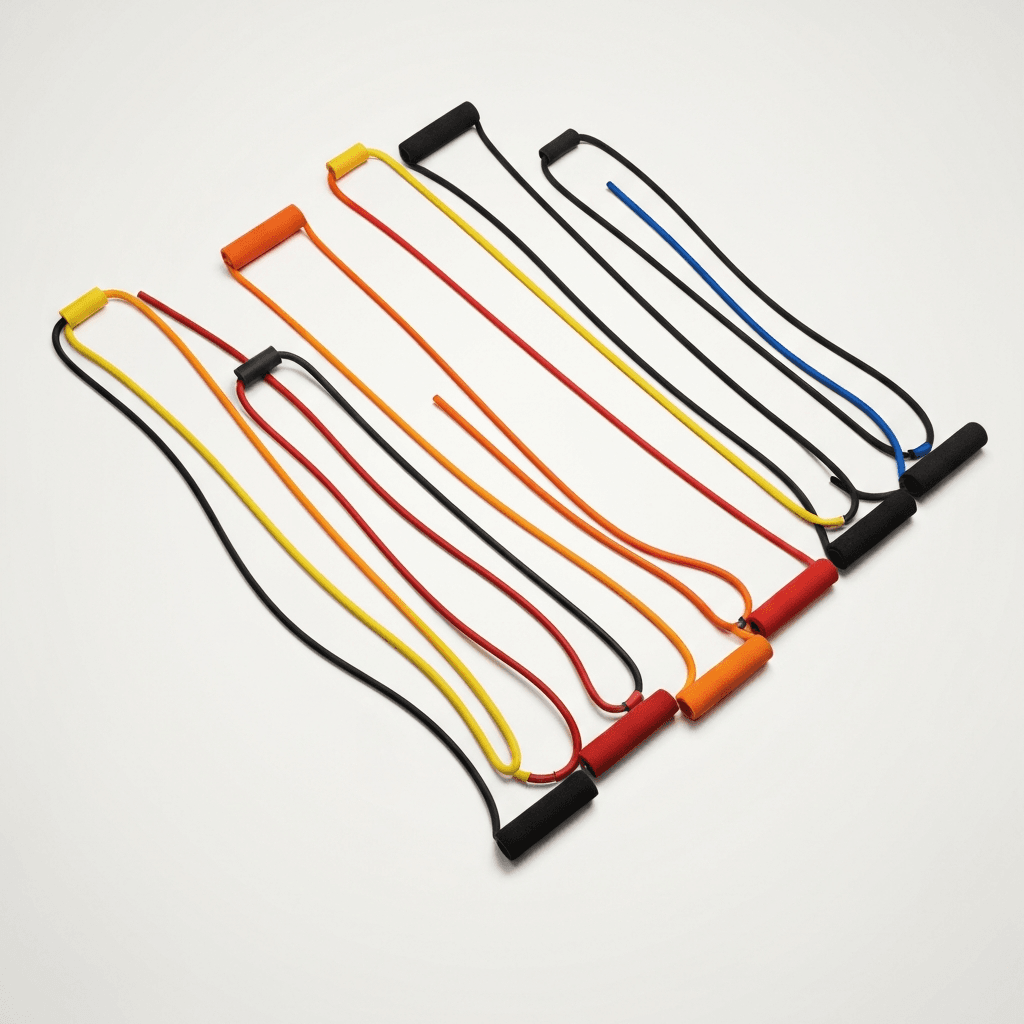
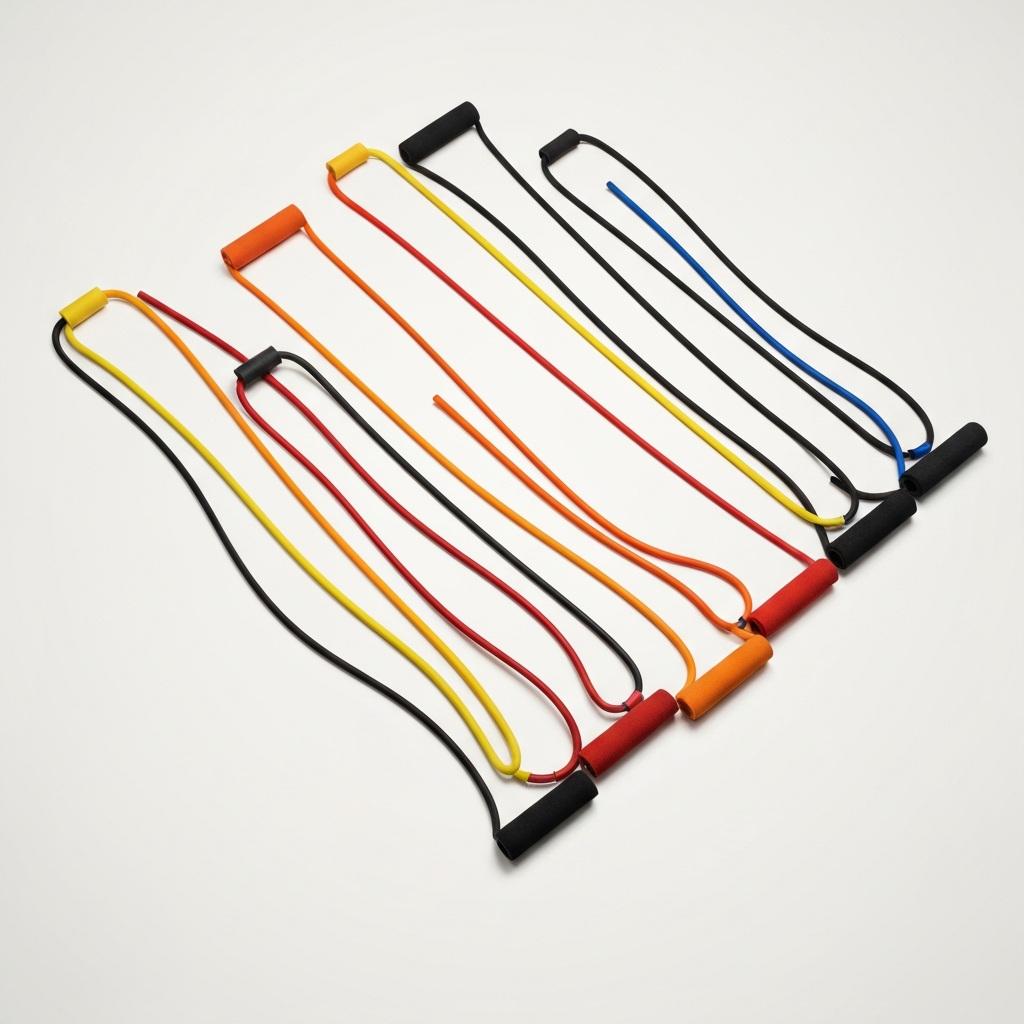
Training it: Resisted hip drive with a band. Attach a resistance band to a fixed point behind you at hip height. Hold the band at your hip and practice driving your hips forward explosively against the resistance. Do this for 10 minutes — the band amplifies the proprioceptive feedback so your nervous system learns what maximum hip drive feels like. Then remove the band and replicate the feeling in your footwork drills.
The Drive Angle: Your Most Overlooked Advantage
A straight drive — directly at the defender — is the most contested drive available. Elite guards rarely take it. The drive angle determines the contest level, the defender's ability to cut you off, and your finishing options.
The optimal drive angle is 15-25 degrees off the straight line to the basket, attacking either the defender's hip or their lead foot. At this angle, you get past their lead shoulder (where they can recover most efficiently) and force their body to rotate — adding 0.2-0.3 seconds to their recovery before they can turn and challenge at the rim.
Practice your jab step toward the basket to set up this angle: a jab straight at the defender pulls them toward you and opens the 15-degree lane. A jab that draws their outside foot opens a tighter angle but creates faster contact. Learn both and choose based on which foot your defender cheats with.
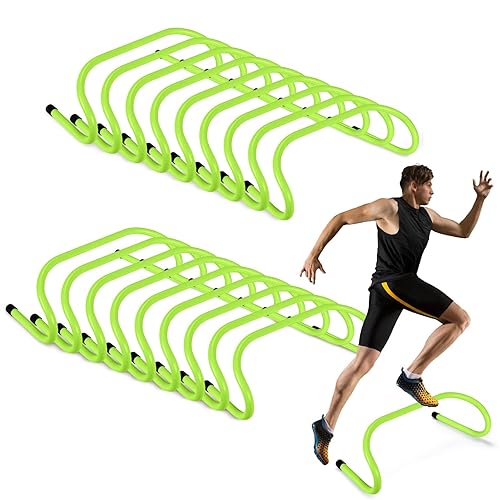
The 15-Minute First Step Program
Four days per week, before your skill work begins:
- Minutes 0-3: Triple-threat stance holds with forward lean. Get into position, hold for 10 seconds feeling the weight distribution, reset, repeat 15 reps. Your goal is proprioceptive awareness of the correct position so it becomes your default.
- Minutes 3-8: Resisted hip drive with band. 5 sets of 10 explosive hip drive steps against the band. Feel the glute engagement. This is the most important 5 minutes in this program.
- Minutes 8-12: Jab-step drive practice. At the three-point line. Jab step, read the imaginary defender's reaction, drive at the correct angle — past the hip, not into the teeth. Alternate directions. 30 total drives, 15 each direction.
- Minutes 12-15: Live 1-on-1 from stationary. Partner starts on defense, no help. Offensive player in correct triple-threat stance. Focus on stance quality and drive angle, not scoring. Three possessions, then switch.
Frequently Asked Questions
Why is my first step slow even though I am working on sprint speed?
The explosive first step is not a sprint-speed problem — it is a pre-movement problem. Stand in a relaxed upright position and try to sprint right: notice that you rock slightly backward first, loading your weight before you can push off your left foot. That rock is the countermovement preparation, and it costs you 0.3 seconds — exactly the window a defender uses to read your direction and start sliding. Sprint training and ladder drills improve top-end speed and foot turnover, which help marginally. The bigger lever is the pre-movement stance: pre-load your weight forward so the preparation is already done before you decide to go.
What does an ideal triple-threat stance look like for a quick first step?
Feet between hip-width and shoulder-width, lead foot pointed toward your drive direction, knees bent over your toes (not behind your heels), and torso tilted forward 5 to 10 degrees — enough to feel your weight on the balls of your feet. The target distribution is roughly 60 to 65 percent of your weight on the balls of your feet, forward-loaded. In this stance, your center of gravity is already forward of your base, which means the first step does not need to generate momentum — momentum already exists. You are releasing a coiled spring rather than winding one up. Film of Iverson, Irving, and Chris Paul shows the same 8-15 degree forward lean before every drive.
What is the difference between hip drive and quad drive on the first step?
Hip drive uses your glutes and hamstrings — larger muscles that generate more force at higher velocity — to snap your hip through before your knee extends. Quad drive uses knee extension first, which is slower, less powerful, and less efficient. Feel the difference: take one step forward driving primarily through your knee, then take one step forward driving your hip through first. The second step covers more ground with less energy expenditure. That is hip-driven extension, and it is the mechanism behind every player who looks like they get to their spot impossibly quickly. Train it with a band attached behind you at hip height — 10 minutes of resisted hip drive teaches the nervous system what maximum drive feels like.
What is the optimal drive angle past a defender?
15 to 25 degrees off the straight line to the basket, attacking either the defender's hip or their lead foot. A straight drive directly at the defender is the most contested option available — elite guards rarely take it. At the optimal angle, you get past the defender's lead shoulder (where they can recover most efficiently) and force their body to rotate, which adds 0.2 to 0.3 seconds to their recovery before they can turn and challenge at the rim. Use a jab step to set the angle: a jab straight at the defender pulls them toward you and opens the 15-degree lane; a jab toward their outside foot opens a tighter angle but creates faster contact. Pick the version that exploits your defender's cheat foot.
How long until first-step training shows results?
Most players notice a different feel within 2-3 weeks of the 15-minute program four days per week, and a measurable game-transfer (defenders arriving late, drives finishing without contact) within 4-6 weeks. The reason the timeline is short: this is mechanical change, not strength change. You are reprogramming the pre-movement loading pattern and the hip-extension sequence, which the nervous system can learn quickly with deliberate reps. The program runs minutes 0-3 of stance holds with forward lean, minutes 3-8 of resisted hip drive against a band, minutes 8-12 of jab-step drive practice at the three-point line, and minutes 12-15 of live 1-on-1 from stationary triple threat. Fix the pre-movement, and the first step you have always had becomes the first step you have always wanted.
The first step is the single skill that determines whether a guard can play at high level or stays at their current ceiling. Most players try to add speed through sprint training. The fastest path is mechanics — fixing the pre-movement loading and the hip drive pattern. Fix those two things, and the first step you've always had becomes the first step you've always wanted.
Related guides
Enjoying this analysis?
Get more breakdowns like this delivered to your inbox.