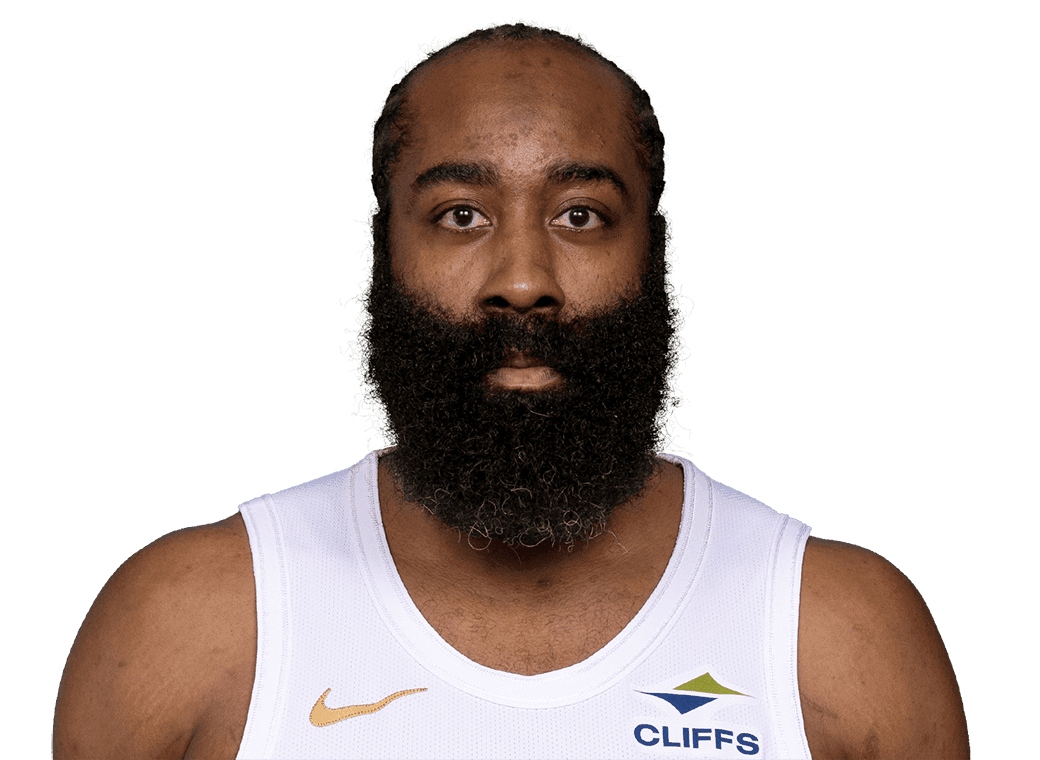
James Harden spent eight seasons as the face of the Houston Rockets — winning an MVP, eight All-Star selections, and transforming the franchise into a perennial contender. When his playing days end, the case for #13 hanging in the Toyota Center rafters will be one of the strongest in Rockets history.
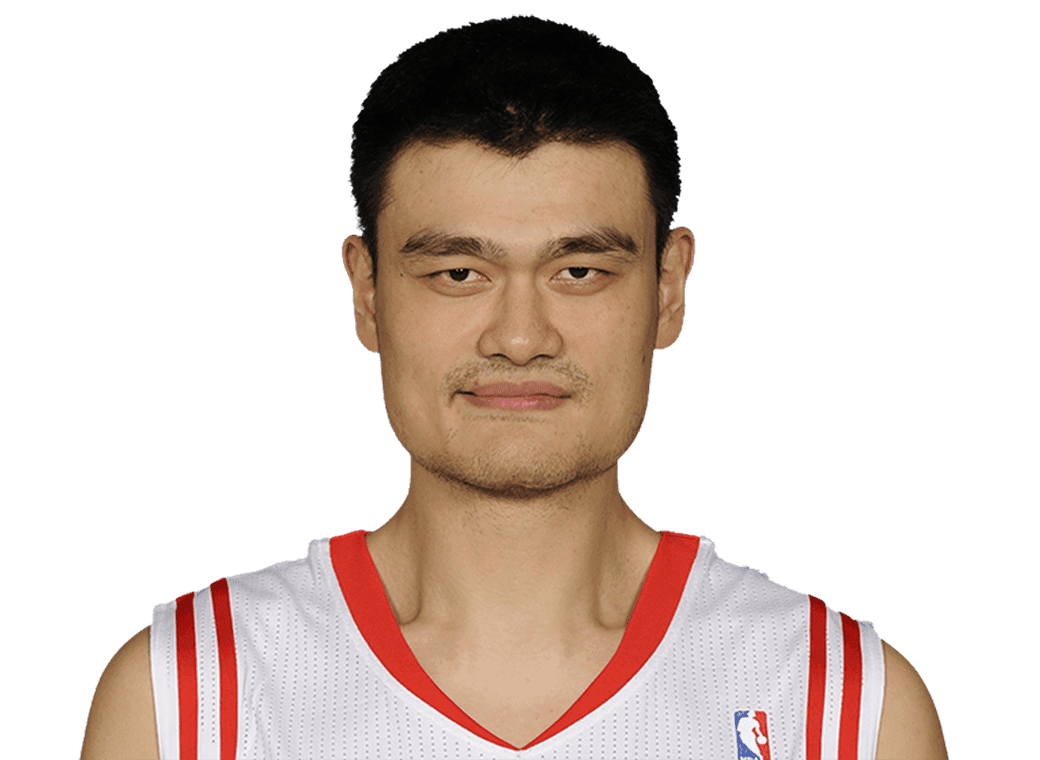
Yao Ming transformed the Houston Rockets into a global phenomenon. Standing 7'6" and playing with unprecedented skill for a center of his size, Yao became one of the most beloved players in NBA history before injuries cut his career tragically short.
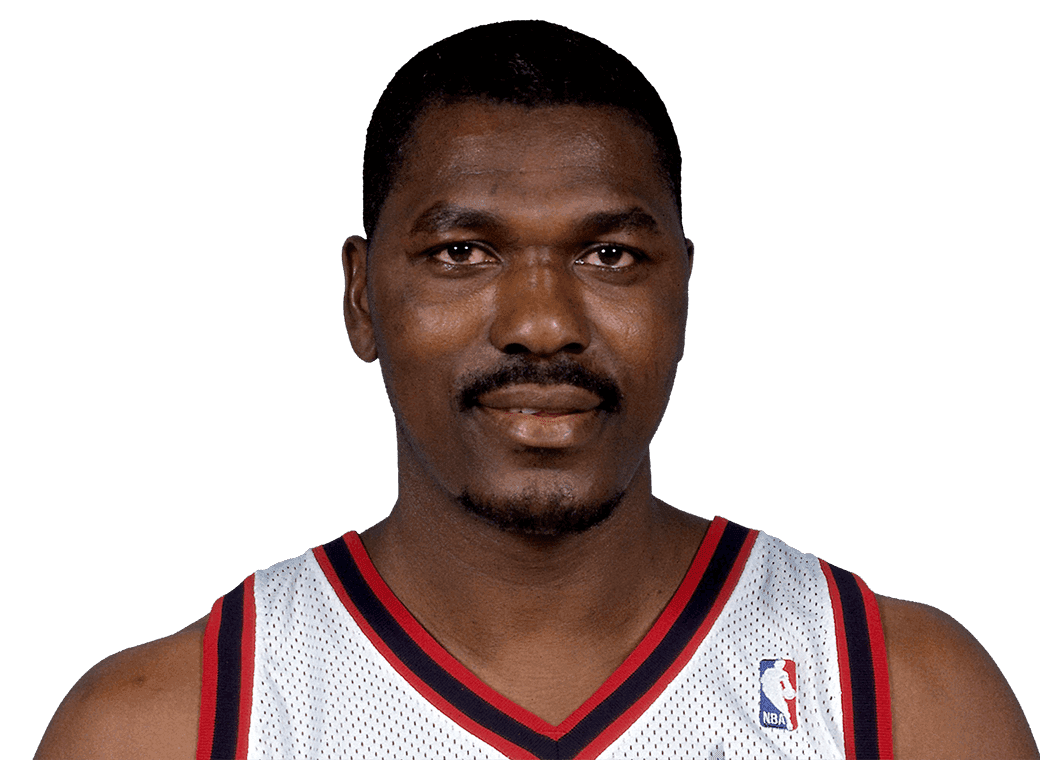
Hakeem Olajuwon is the greatest player in Houston Rockets history. A two-time NBA champion, Finals MVP, Defensive Player of the Year, and Hall of Famer, The Dream defined an era of basketball unlike anyone before or since.
Malik Sealy's #2 is retired by the Minnesota Timberwolves as a memorial to the beloved guard who died in a car accident in May 2000, thirty years old and entering the prime of his career.
Shawn Kemp made six All-Star teams as the most explosive player in Sonics history, leading Seattle to the 1996 NBA Finals. The OKC Thunder honor his #40 as part of the franchise's Sonics heritage.
Gary Payton defined Seattle SuperSonics basketball for thirteen seasons, winning Defensive Player of the Year and taking the Sonics to the 1996 Finals. The OKC Thunder honor his #20 as Sonics heritage.
Johnny Moore led the NBA in assists in 1982 and earned two All-Star selections as San Antonio's first elite playmaker, setting the standard for the passing culture that defined the Spurs.
James Silas was San Antonio's first superstar, earning the nickname Captain Late for his clutch performances during the ABA era and early NBA years that set the tone for what would follow.
Avery Johnson went undrafted but led the Spurs in scoring during the 1999 NBA Finals, proving that hustle, speed, and leadership are their own kind of basketball greatness.
Bruce Bowen won three championships as the Spurs' defensive cornerstone, earning five consecutive All-Defensive First Team honors despite going undrafted and nearly missing the NBA entirely.
Sean Elliott hit the iconic Memorial Day Miracle three-pointer in 1999, helping the Spurs reach their first championship. His story of resilience — including a kidney transplant — defines his legacy.
George Gervin won four scoring titles and electrified San Antonio with his iconic finger roll, establishing the franchise as an NBA power before the championship era.
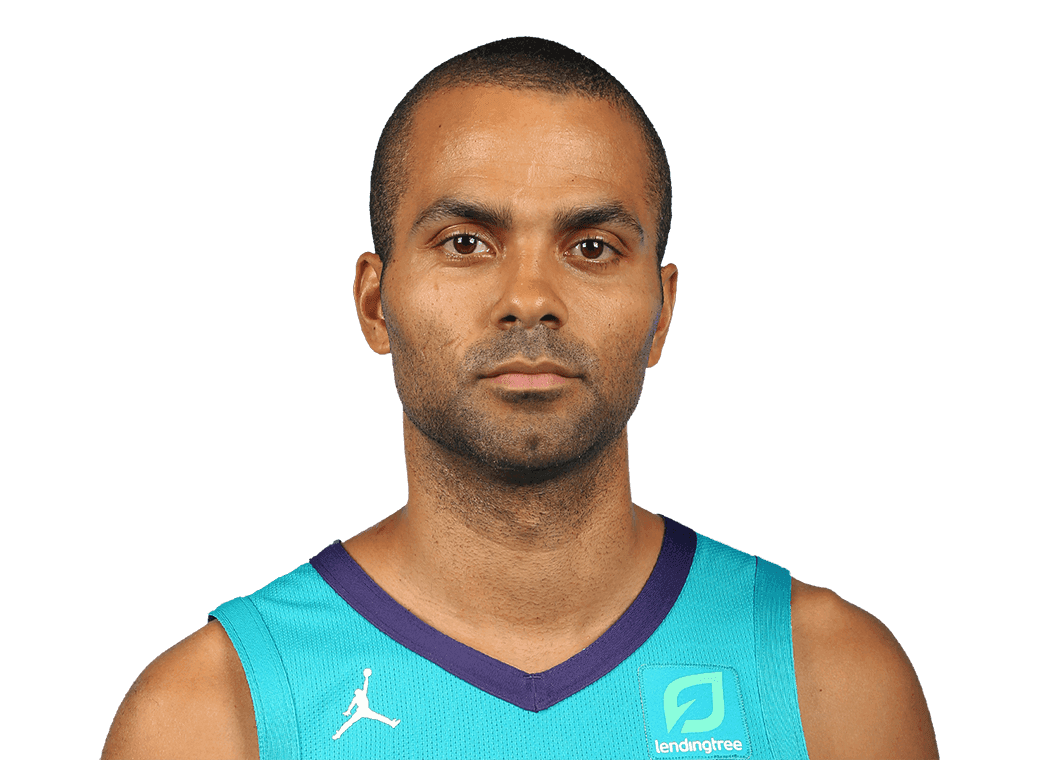
Tony Parker won four championships and the 2007 Finals MVP, becoming the first European player to earn that honor and one of the most efficient point guards in Spurs history.
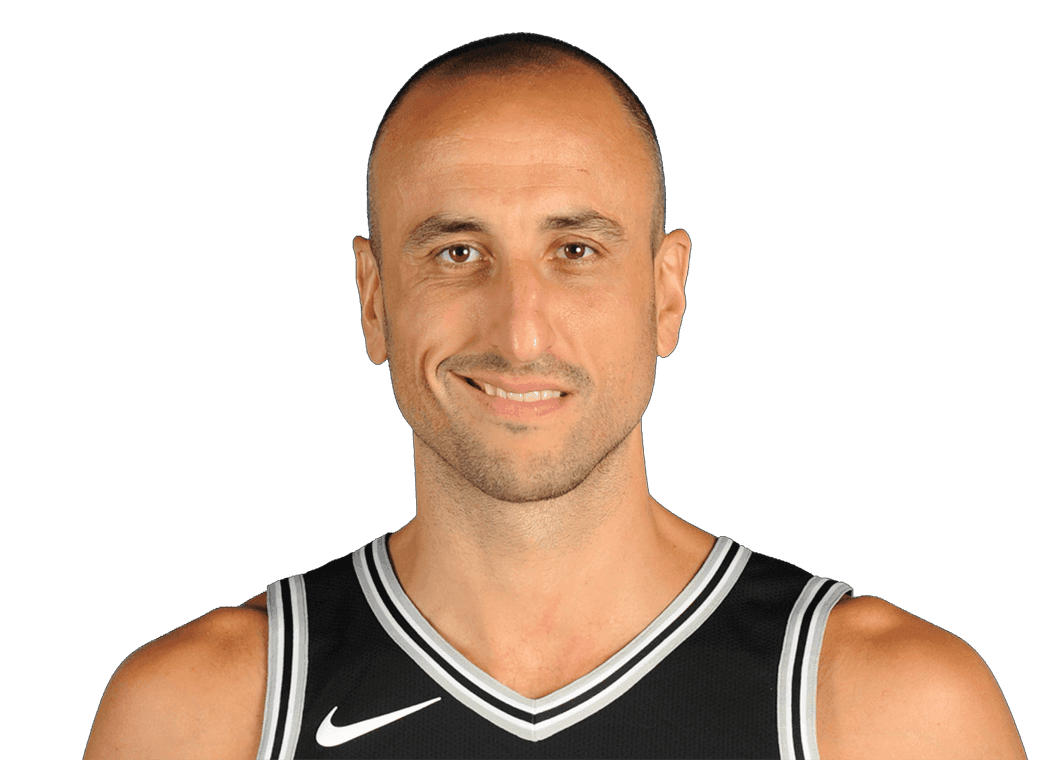
Manu Ginobili redefined the sixth man role across sixteen seasons in San Antonio, winning four championships and an Olympic gold medal with his unmatched improvisational brilliance.
David Robinson spent fourteen seasons as the Spurs' cornerstone, winning two championships, an MVP award, and building the foundation for the greatest dynasty of the 2000s.
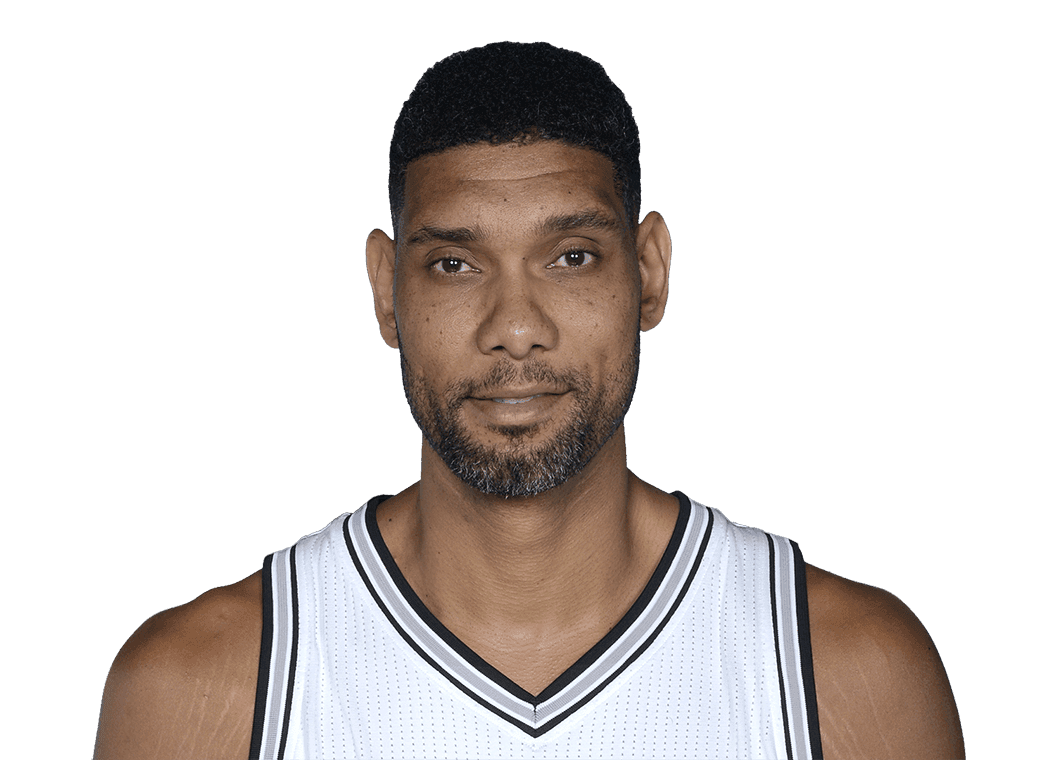
Tim Duncan won five championships and two MVP awards as the Spurs' cornerstone. His #21 represents twenty seasons of quiet excellence and the most successful run in modern NBA history.
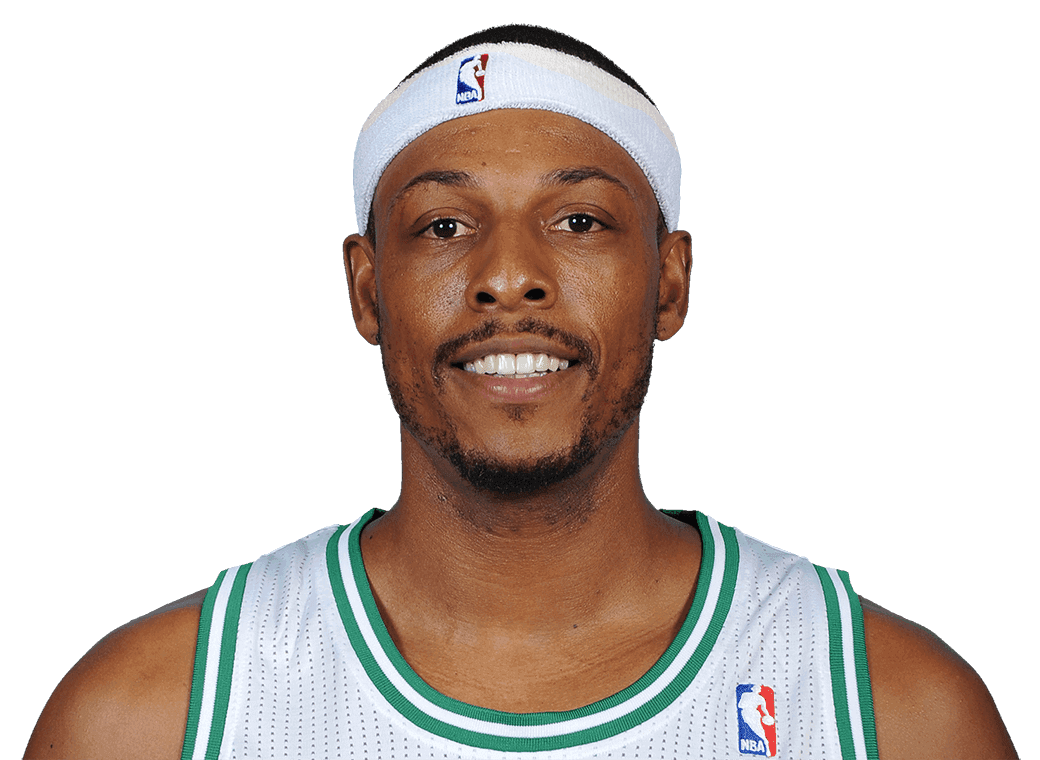
Paul Pierce spent fifteen seasons as the face of the Celtics, delivered a 2008 Finals MVP, and scored more points than any Celtic not named Bill Russell. His #34 honors The Truth.
Robert Parish played 21 seasons, won three championships with Boston, and was the anchor of the greatest frontcourt in NBA history. His #00 honors the most durable Celtic.
Kevin McHale's #32 represents three championships, six All-Stars, and the most technically accomplished post game in NBA history. The gold standard for low-post play.
Larry Bird's #33 represents three championships, three consecutive MVPs, and a basketball genius that opponents still describe with awe. The most complete Celtic of his era.