John Havlicek made the most famous play in Celtics history before most people knew his name. His #17 represents eight championships and sixteen seasons of relentless excellence.
Sam Jones won 10 championships alongside Bill Russell and perfected the bank shot into an unstoppable weapon. His #24 honors the quietest great winner in Celtics history.
Bob Cousy dribbled and passed in ways the sport had never seen, won six championships with Boston, and became the first great Celtic. His #14 honors the man who invented modern point guard play.
Bill Russell's #6 represents the most extraordinary career in team sports — eleven championships in thirteen seasons, five MVPs, and a defensive philosophy that changed basketball forever.
Jamaal "Silk" Wilkes won three championships with the Lakers and played the smoothest basketball you've never heard enough about. His #52 represents what happens when talent and selflessness occupy the same jersey.
Jerry West is literally the NBA's logo. His #44 represents 14 seasons of scoring brilliance, defensive tenacity, and a competitive fire so intense that he remains the only player to win Finals MVP on the losing team.
James Worthy's 36-16-10 triple-double in Game 7 of the 1988 Finals remains one of the greatest closeout performances in NBA history. His #42 represents clutch excellence across 12 Showtime seasons.
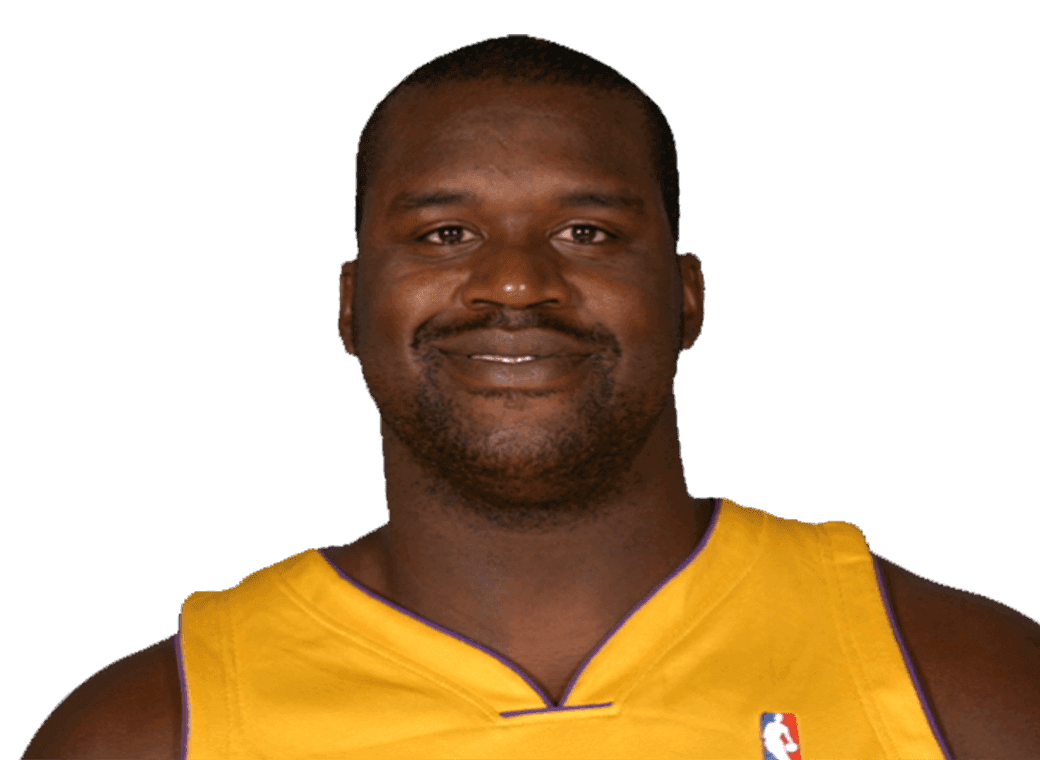
Shaq's eight seasons with the Lakers produced three consecutive championships, three Finals MVPs, and the most physically dominant stretch any player has ever produced in professional basketball.
Kareem won five championships as a Laker, retired as the all-time leading scorer, and possessed the single most unstoppable shot in basketball: the skyhook. His #33 represents sustained excellence over two decades.
Magic Johnson didn't just win five championships — he transformed basketball into entertainment, built the Showtime dynasty, and saved the NBA from a ratings crisis. His #32 is the most culturally significant number in Lakers history.
Gail Goodrich was the leading scorer on the 1971-72 Lakers team that won 69 games and 33 straight. His #25 represents clutch scoring, UCLA pedigree, and the backcourt partnership with Jerry West that defined an era.
Elgin Baylor never won a championship, yet his #22 was the first number the Lakers ever retired. His aerial artistry, scoring records, and loyalty through a decade of heartbreak made the decision inevitable.
Wilt Chamberlain's #13 hangs in the Lakers rafters not for his 100-point game — that was in Philadelphia — but for what he accomplished in Los Angeles: a championship, a record-setting season, and a complete reinvention of his game.
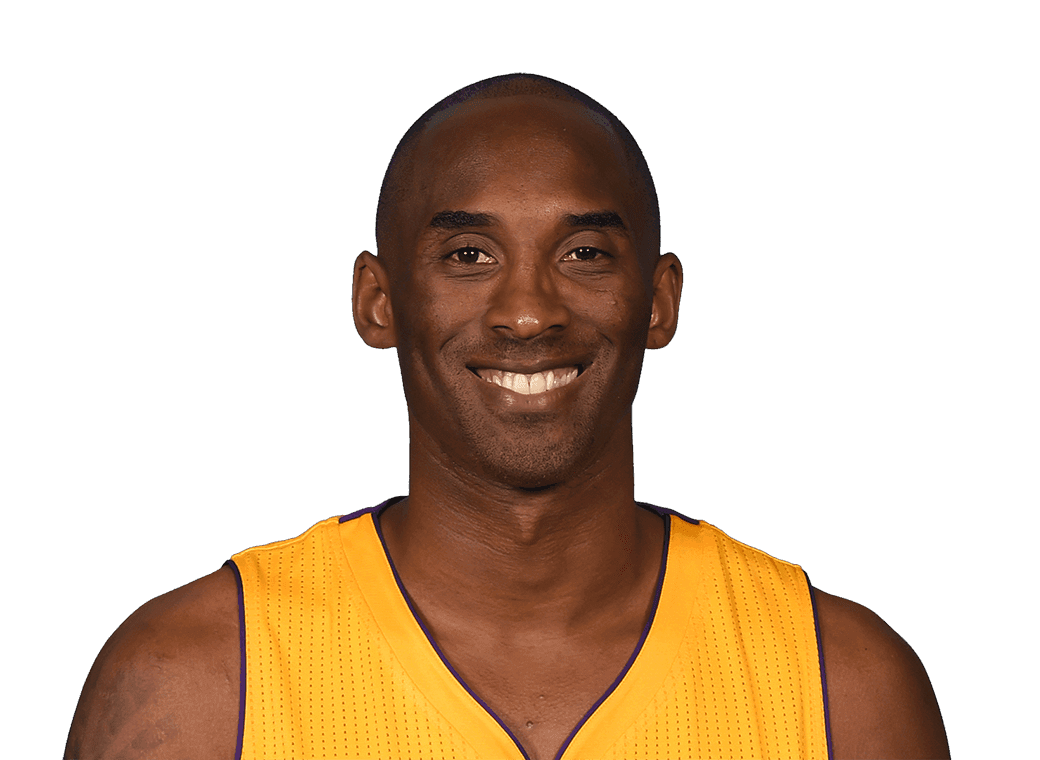
Kobe Bryant is the only player in NBA history to have two numbers retired by the same franchise. The Lakers honored both #8 and #24 because each represents a distinct chapter of one of basketball's most decorated careers.
Analytics killed the mid-range jumper. Or did it? As defenses adapt to the three-point revolution, the players who kept their mid-range skills sharp are finding advantages in the spaces the league abandoned.
The Cavaliers' 3-1 comeback against the 73-win Warriors wasn't just the greatest series in NBA history. It was the pivot point that reshaped team-building, player movement, and the definition of greatness itself.