本页面包含联盟链接。如您通过这些链接购买,我们可能获得佣金,对您无额外费用。 As an Amazon Associate I earn from qualifying purchases.
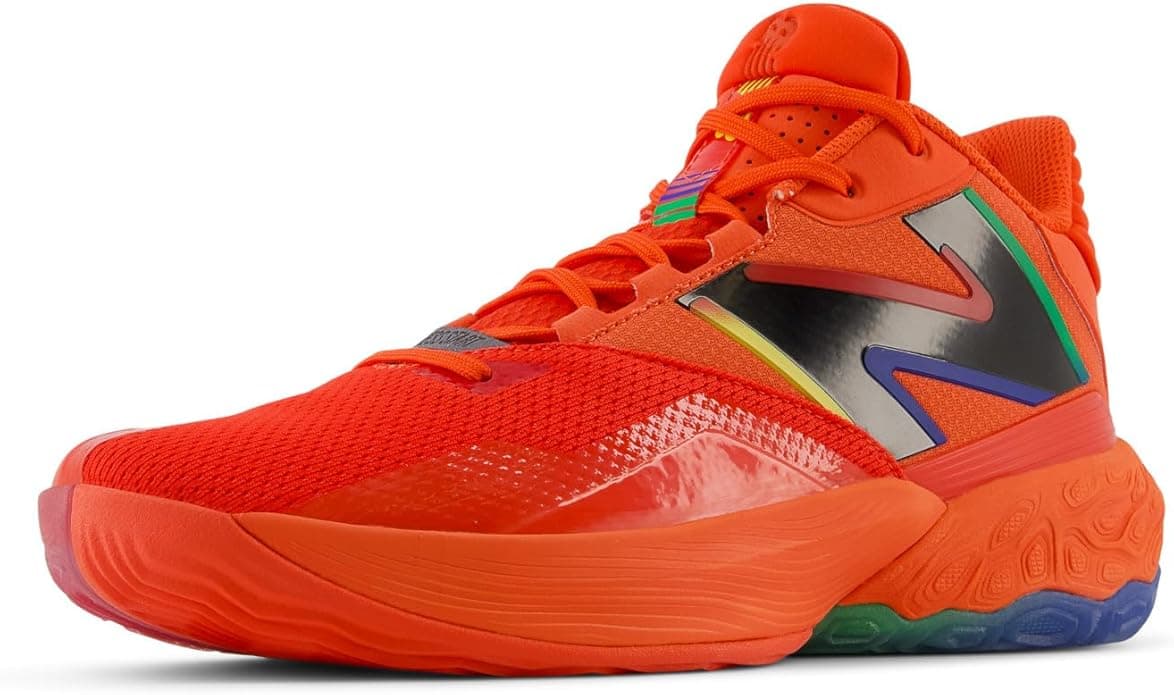
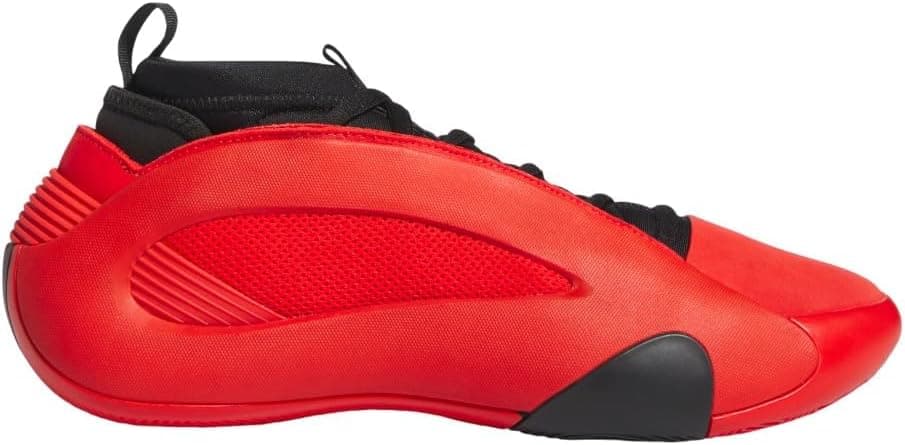
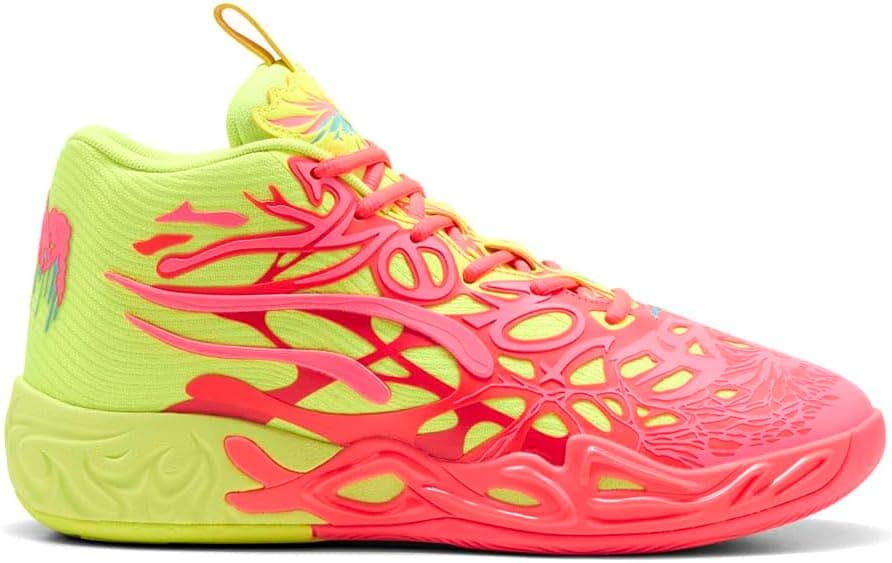
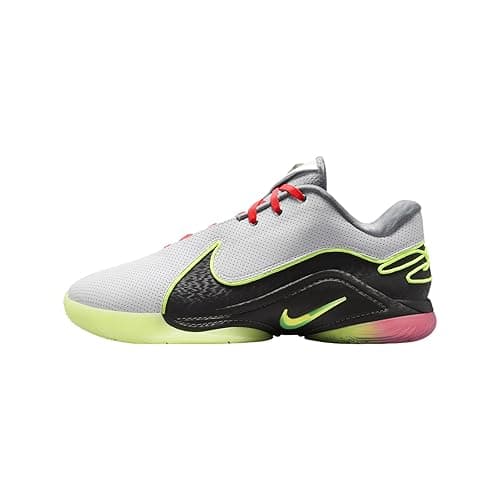
Finding basketball shoes for wide feet is frustrating, and the common advice — "just size up" — creates a longer shoe that slides during cuts. You do not need a bigger shoe; you need a wider one, because a standard last compresses a wide foot at the forefoot and midfoot, causing friction blisters and reduced lateral stability. This guide covers four picks evaluated for forefoot room, midfoot containment, and traction. The New Balance TWO WXY v5 (~$140) builds on a naturally wider last with secure structural midfoot support rather than a tight upper. The Adidas Harden Vol. 8 (~$160) has always run wide, with a roomier forefoot and Boost cushioning that resists the compression that bothers wider feet. The Puma MB.04 (~$110) uses a rounded last and is the most affordable option. The Nike LeBron 22 (~$200) is available in true wide (2E) sizing. Avoid the Kobe line and Curry Flow — both run notably narrow.

Related: Best Basketball Shoes 2026: Court Guide

Why Wide Feet Need Different Shoes
A standard basketball shoe compresses a wide foot at the forefoot and midfoot. During lateral cuts, the foot pushes against the upper instead of sitting flat on the outsole. This creates two problems: blisters from friction against compressed sidewalls, and reduced lateral stability because the foot is fighting the shoe instead of working with it.
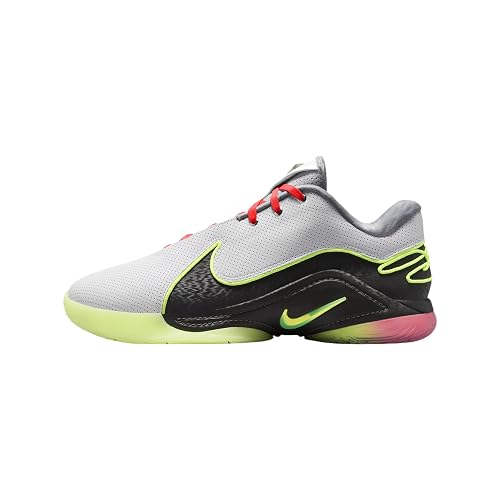
Sizing up solves the width problem but creates a length problem — extra toe box space allows the foot to slide forward during hard stops, and the heel counter no longer locks properly. The right approach is choosing shoes designed with wider lasts or available in wide sizes.
Top Picks for Wide Feet
1. New Balance TWO WXY v5

Why it works for wide feet: New Balance builds on wider lasts than Nike or adidas by default. The TWO WXY v5 forefoot sits naturally wider without needing a 'wide' size designation. The FuelCell foam conforms to foot shape over the first few sessions.
The midfoot containment is secure without being restrictive — the support comes from the internal structure rather than a tight upper squeezing the foot into shape. For wide-footed players, this means lateral stability without the pressure points that Nike's containment cages create on wider feet.
Price: ~$140 | Shop on Amazon
2. Adidas Harden Vol. 8
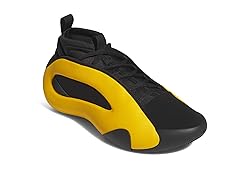
Why it works for wide feet: The Harden line has always run wide. James Harden's deceleration-heavy play style requires a broad base, and the shoe's platform reflects that. The forefoot is noticeably roomier than comparable shoes from Nike or Under Armour.
Boost cushioning in the forefoot absorbs impact without the compression that bothers wider feet in foam-only midsoles. The low-cut design also means no ankle collar pressing against a wider Achilles area.

Price: ~$160 | Shop on Amazon
3. Puma MB.04

Why it works for wide feet: The MB.04 uses a rounded last that accommodates wider forefeet without the shoe feeling oversized. The Nitro foam is soft enough to conform rather than resist, and the mesh upper has enough give to accommodate width variance.
At $110, it's also the most affordable option for wide-footed players who don't want to compromise on court performance.
Price: ~$110 | Shop on Amazon
4. Nike LeBron 22 (Wide Size Available)
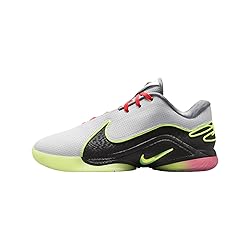
Why it works: Unlike most Nike basketball shoes, the LeBron 22 is available in wide (2E) sizing. This is the correct solution for wide-footed Nike loyalists — an actual wider last rather than sizing up in standard width. The cushion system (Zoom + Max Air) handles the heavier players that often have wider feet.
Caveat: Wide sizes have limited colorway availability and may require ordering online.
Price: ~$200 | Shop on Amazon
Shoes to Avoid With Wide Feet
- Nike Kobe line: Built on a narrow, low-profile last. Exceptional for standard-width feet, painful for wide feet. The low collar also offers no relief for wider ankles.
- Under Armour Curry Flow: Runs notably narrow. The no-rubber outsole means the foam upper is doing containment work — which fails when compressed by a wider foot.
- Any shoe you need to size up more than half a size: If you're going up a full size for width, the fit is wrong. Look for a different model or a wide size option.
Fit Test for Wide Feet
- Thumb test: With the shoe laced, press the upper at the widest point of your forefoot. If the material is taut with no give, the shoe is too narrow.
- Lateral plant test: Do 3-4 hard lateral cuts. If your foot slides to the outside of the outsole (you can feel the edge of the midsole under your foot), the shoe is too narrow — your foot is overriding the platform.
- 30-minute test: Wear the shoes for 30 minutes of play. Pressure points that appear at the pinky toe metatarsal or the outside of the midfoot indicate width issues that will not improve with break-in.
For our full position-by-position shoe breakdown, see our Best Basketball Shoes 2026 guide.
Quick Comparison
Frequently Asked Questions
Do basketball shoes come in wide sizes?
Most don't, but some do. The Nike LeBron 22 is available in a true wide (2E) size — the correct solution for wide-footed Nike loyalists. Beyond that, the better approach is choosing models built on naturally wider lasts, like New Balance or the adidas Harden line, rather than hunting for a "wide" label.
Should I just size up for wide feet?
No. Sizing up solves width by adding length, which lets your foot slide forward during hard stops and stops the heel counter from locking properly. If you need to go more than a half size up for width, the model is simply too narrow — choose a shoe with a wider last or a true wide size instead.
Which basketball brands run wide?
New Balance and adidas (especially the Harden line) run the widest by default. Avoid the Nike Kobe line and the Under Armour Curry Flow if you have wide feet — both are built on narrow, low-profile lasts that compress a wide forefoot and create pressure points.
Are knit or mesh uppers better for wide feet?
A softer, more flexible mesh (like the Puma MB.04's) has give and conforms to a wider forefoot, while a stiff containment cage presses inward on a wide foot. Don't judge by the "adaptive knit" label — judge the actual containment structure, because all knit stretches.
How do I know if a basketball shoe is too narrow?
Three quick tests: press the upper at the widest part of your forefoot — if it's taut with no give, it's too narrow; do a few hard lateral cuts — if your foot rides to the edge of the outsole, the platform is too narrow for you; and play 30 minutes — pressure points at the pinky-toe metatarsal or outer midfoot indicate width problems that won't improve with break-in.
Related guides
喜欢这篇分析?
订阅获取更多类似分析,直达您的邮箱。