本页面包含联盟链接。如您通过这些链接购买,我们可能获得佣金,对您无额外费用。 As an Amazon Associate I earn from qualifying purchases.
Indoor basketballs lose their grip on asphalt within weeks, and using one outdoors destroys the ball while training your hands on a progressively slicker surface — a direct path to bad dribbling habits. This guide covers balls built specifically for outdoor play. We picked them by comparing manufacturer specs for cover material, channel design, and rated playing surface. We have not wear-tested any of them. The Spalding TF-500 ($40) is the best overall: a composite leather cover with a deep channel design, plus regulation size and weight so your touch transfers cleanly to indoor games. The Wilson NCAA Replica ($35) is the best budget composite, with a moisture-absorbing cover that Wilson designs for indoor and outdoor play. The Molten BG3800 ($45) is the best FIBA-spec pick with a 12-panel design, and the Spalding Street Phantom ($25) is the best pure rubber ball for the roughest cracked-asphalt courts. Avoid any ball under $15 and no-name specials with off-regulation weight.

Related: Best Outdoor Basketball Shoes 2026
What to Look For in an Outdoor Basketball
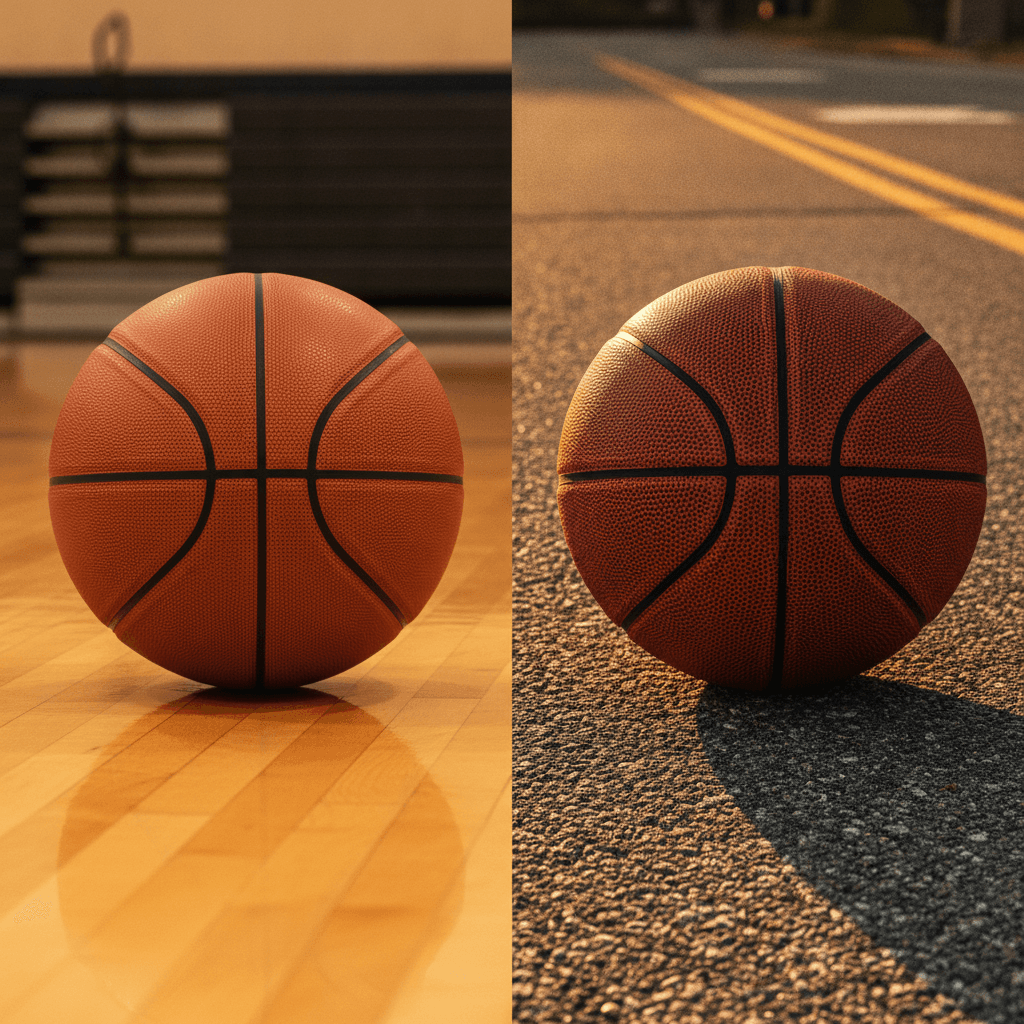
Outdoor courts punish a ball in ways hardwood never does. Asphalt and concrete act like sandpaper, grinding down the cover and flattening the grip channels with every dribble. The difference between a ball that keeps its grip outdoors and one that turns slick fast comes down to five things.
Cover material: rubber vs. composite vs. leather
Rubber is the most scratch-resistant and abrasion-resistant cover you can buy — it shrugs off gravel-strewn, cracked asphalt, but the grip feel is the firmest of the three. Composite (synthetic leather) is the sweet spot for most outdoor players: it resists abrasion far better than genuine leather while keeping a softer, tackier feel close to an indoor ball. Genuine leather balls are indoor-only — asphalt shreds the panels within weeks. The Wilson Evolution and Spalding TF-1000 use composite covers, not leather, but both are built as indoor game balls, so keep them on hardwood.
Channel depth and grip retention
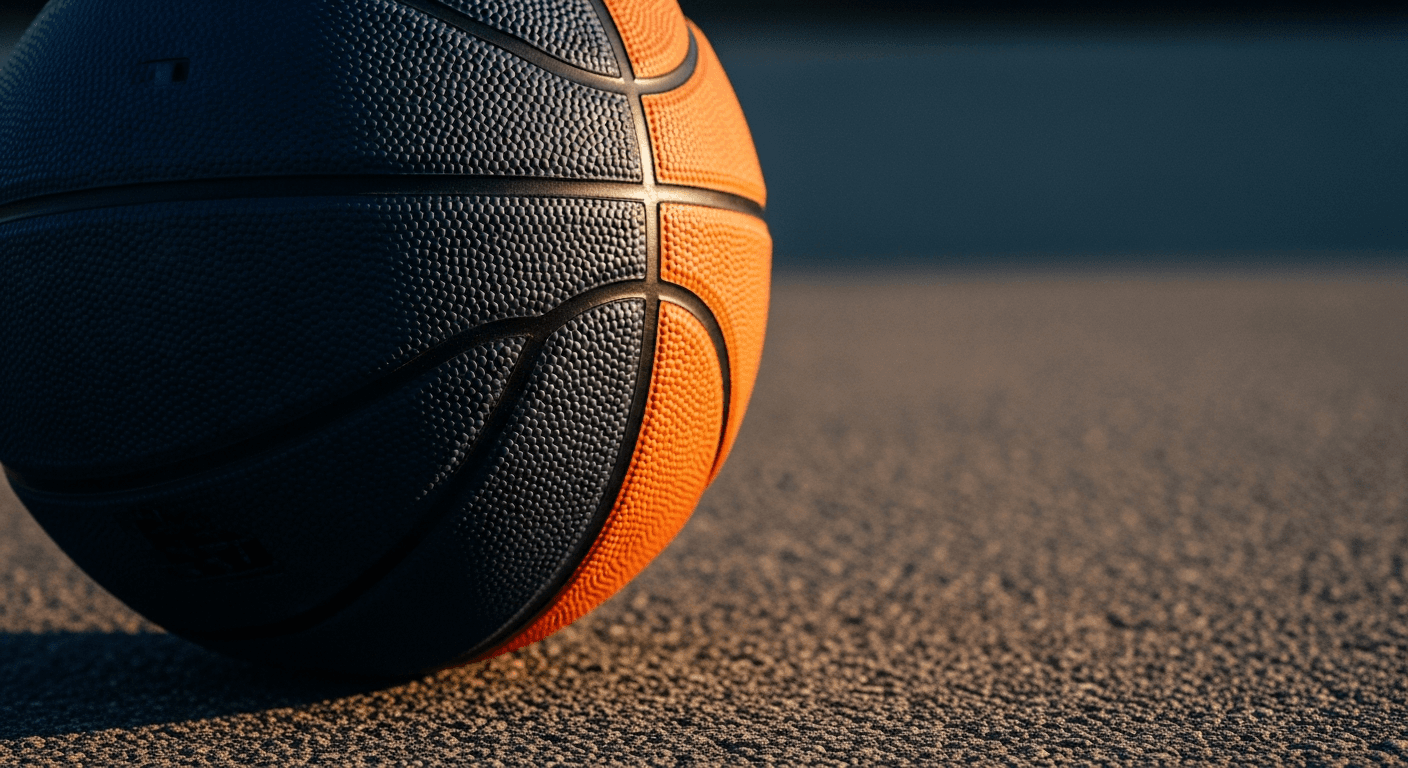
The channels are the seams between panels, and their depth is what your fingers actually grab. Deep, wide channels keep delivering grip even as the surface wears. Indoor balls are built for hardwood, and their softer covers wear smooth faster once asphalt starts grinding at them. On a rough court, channel depth matters more than the cover's out-of-the-box tackiness.
Scratch and abrasion resistance
"Scratch resistance" on an outdoor ball is really cover-material hardness plus channel durability. A scuffed ball is fine — what kills grip is a cover worn smooth and channels ground flat. Rubber resists this best, reinforced composite is a close second, and a deep pebbled texture takes longer to polish smooth.
Bounce consistency
A quality outdoor ball holds a consistent bounce height and response across temperature swings and surface variation. Cheap rubber balls bounce noticeably differently on hot vs. cold asphalt, which quietly sabotages your dribble timing.
Size, weight, and weather
Stick to regulation 29.5" (size 7) for men's and 28.5" (size 6) for women's and most youth play — a ball even an ounce off regulation weight changes your shooting touch. Composite covers that absorb moisture get slick in the rain; if you play in wet conditions, a rubber ball or a moisture-channeling design like the BG3800's 12 panels keeps the most grip.
Top Picks
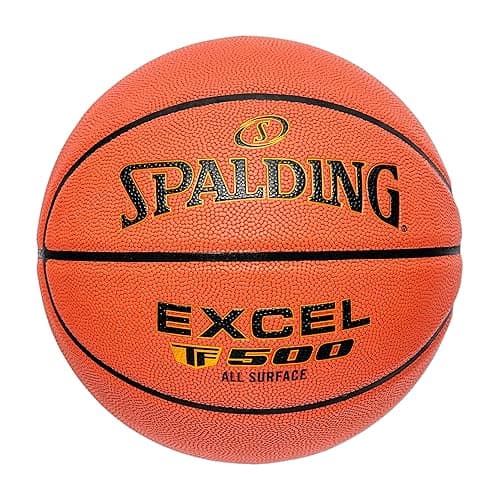
1. Spalding TF-500 ($40)
Best overall outdoor ball. Composite leather cover that Spalding markets for all-surface play, from the driveway to the gym. Spalding describes a deep channel design for ball control. Official size and weight, so your touch transfers to indoor games.

Spalding TF-500 — Check price on Amazon
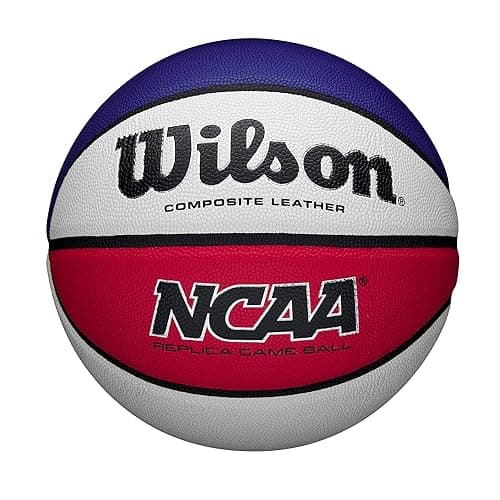
2. Wilson NCAA Replica ($35)
Best budget composite. Wilson lists a moisture-absorbing composite leather cover with pebbled channels, designed for indoor and outdoor play.


Wilson NCAA Replica — Check price on Amazon
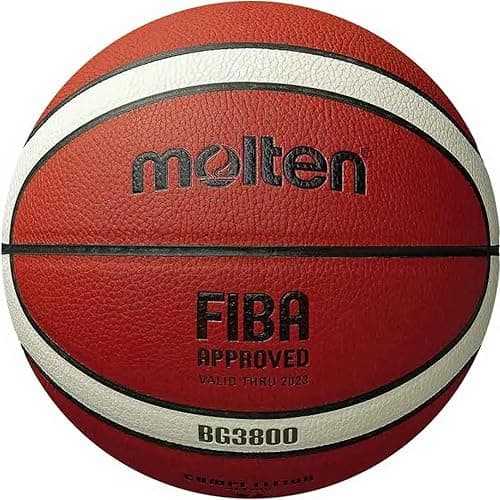
3. Molten BG3800 ($45)
Best FIBA-spec outdoor ball. If you play internationally or prefer FIBA sizing and feel, the BG3800 is FIBA approved, and Molten lists an indoor/outdoor synthetic cover. The 12-panel design (vs standard 8-panel) gives more seams for finger grip during wet conditions.

Molten BG3800 — Check price on Amazon

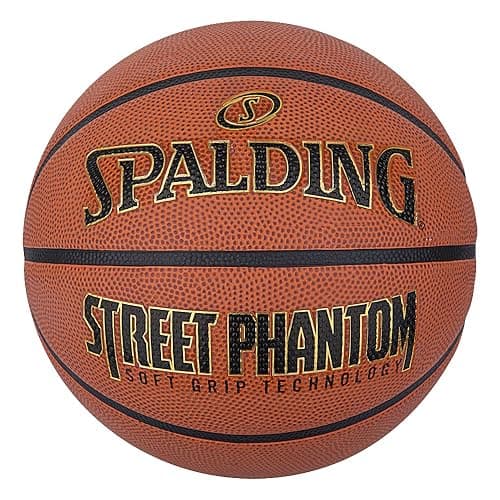
4. Spalding Street Phantom ($25)
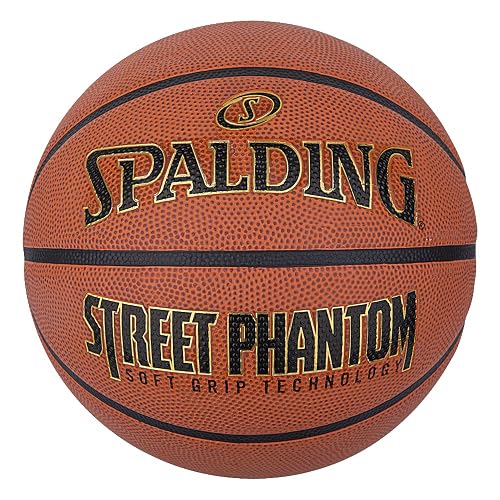
Best pure rubber ball. For exclusively outdoor play on the roughest surfaces — cracked asphalt, gravel-adjacent courts — a rubber ball outlasts any composite. Spalding lists a rubber cover with Soft Grip Technology and deep channels, built for concrete courts and asphalt.
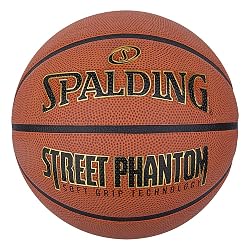
Spalding Street Phantom — Check price on Amazon
Quick Comparison
What to Avoid
- Any ball under $15: Inconsistent bounce, smooth surface from factory, channels that wear flat in weeks
- Indoor balls used outdoors: Wilson Evolution, Spalding TF-1000 — these are exceptional indoor balls that asphalt destroys
- No-name Amazon specials: Unregulated size and weight. A ball that is 1 oz off regulation weight changes your shooting touch
Caring for Your Outdoor Ball
Even the most durable outdoor ball lasts longer with a little upkeep. Three habits make the difference:
- Keep a pump handy. An under-inflated ball deforms on impact and wears unevenly; check pressure (7.5–8.5 PSI for most basketballs) every couple of sessions.
- Wipe it down. Asphalt grime fills the channels and kills grip faster than wear does. A quick wipe with a damp cloth after rough sessions restores tack.
- Store it indoors. Heat and cold cycles age rubber and composite covers. Don't leave the ball baking in a car trunk or sitting in the rain.
For training gear to pair with your ball, see our Training Equipment guide.
Frequently Asked Questions
What is the most scratch-resistant outdoor basketball?
A pure rubber ball like the Spalding Street Phantom is the most scratch- and abrasion-resistant option, because the rubber cover shrugs off rough, gravel-strewn asphalt. If you want a softer, more indoor-like feel that still resists abrasion well, a reinforced composite such as the Spalding TF-500 is the best compromise.
Is rubber or composite better for outdoor basketball?
Rubber wins on raw durability and weather resistance, making it ideal for the roughest courts and wet conditions. Composite (synthetic leather) wins on grip feel and touch, feeling closer to an indoor ball. Most players who split time between asphalt and the gym are happiest with a composite like the TF-500.
Can you use an indoor basketball outdoors?
You can, but you shouldn't. Premium indoor composite balls (Wilson Evolution, Spalding TF-1000) and genuine leather balls have soft covers built for hardwood, and asphalt grinds them smooth quickly — you ruin an expensive ball and train your hands on a progressively slicker surface. Use a ball built for outdoor abrasion instead.
What size basketball should I buy?
Use regulation 29.5" (size 7) for men's and most adult play, and 28.5" (size 6) for women's and many youth leagues. Younger kids use size 5 (27.5"). Avoid no-name balls with off-regulation weight — even an ounce of difference changes your shooting touch.
How long does an outdoor basketball last?
It depends on the cover, how often you play, and how rough your court is. We haven't found a reliable published lifespan figure for these balls, so we don't give one. Keeping the channels clean and storing the ball indoors extends any ball's life.
Related guides
喜欢这篇分析?
订阅获取更多类似分析,直达您的邮箱。