Most basketball training equipment looks good in ads but fails the skill-transfer test — the only test that matters. A piece of gear earns a spot in your bag if it produces measurable improvement in real game situations, and it gets cut if it trains a movement you never use in a game. Reaction lights that flash colored bulbs train you to read colored bulbs, not a defender's hip turn. Agility ladders train high-knee stepping that does not appear in basketball.
Related: Best Driveway Basketball Hoops 2026
This guide covers the gear that actually transfers — from the $8 cone pack and $25 resistance bands every player needs, up to the $300-$800 driveway hoop that players with home setups use to log 3-4x more weekly practice. We also name the products that look impressive on a wishlist but waste your money.
Essential Equipment (Start Here)
1. A Quality Outdoor Basketball
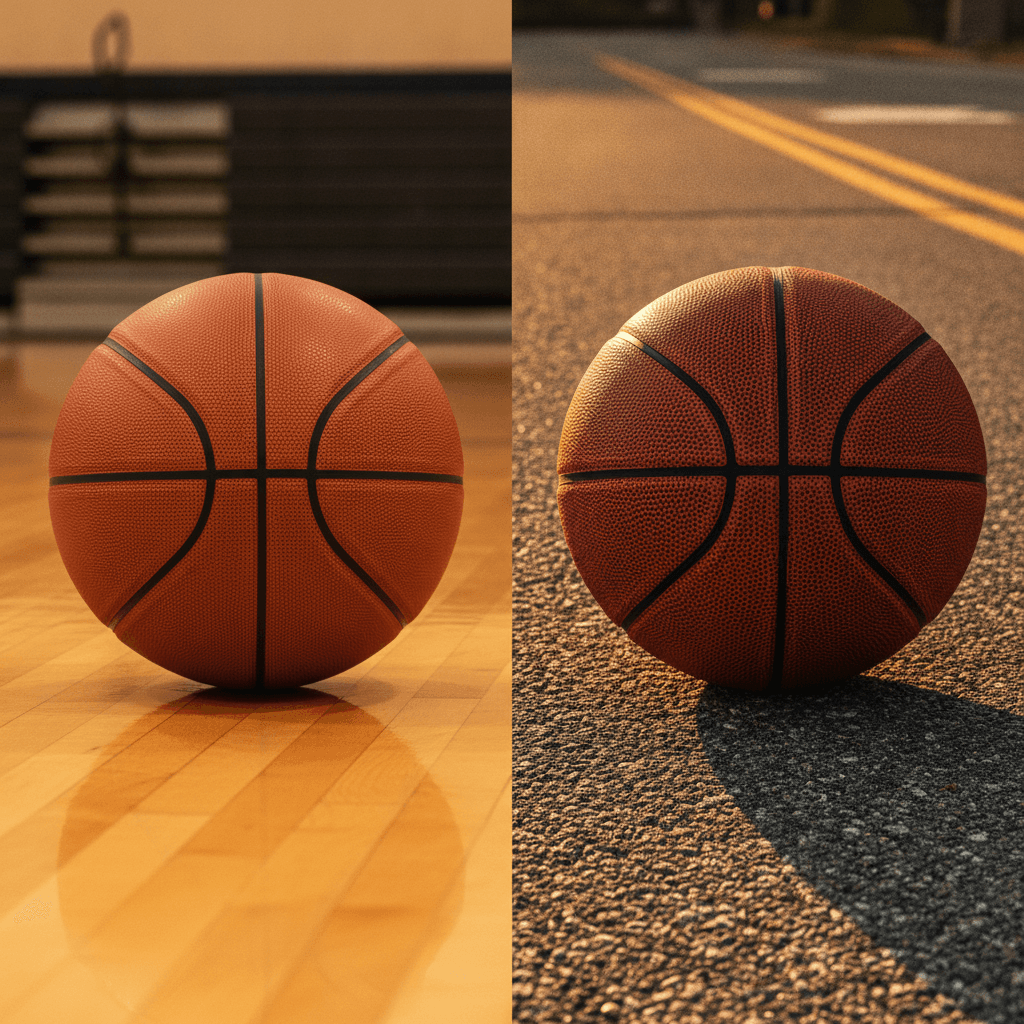
The ball is the most important piece of equipment. Indoor balls lose grip on asphalt within weeks. A dedicated outdoor ball maintains consistent feel across months of play.
Our pick: Wilson Evolution (indoor), Spalding TF-500 (outdoor). The difference between a $20 rubber ball and a $40 composite is not marginal — it fundamentally changes how the ball responds.

Wilson Evolution — Check price on Amazon
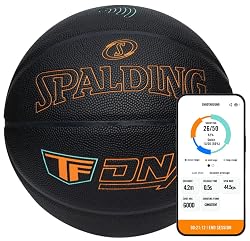
Spalding TF-500 — Check price on Amazon
2. Resistance Bands
Best for: Explosiveness, lateral quickness, shooting strength, injury prevention
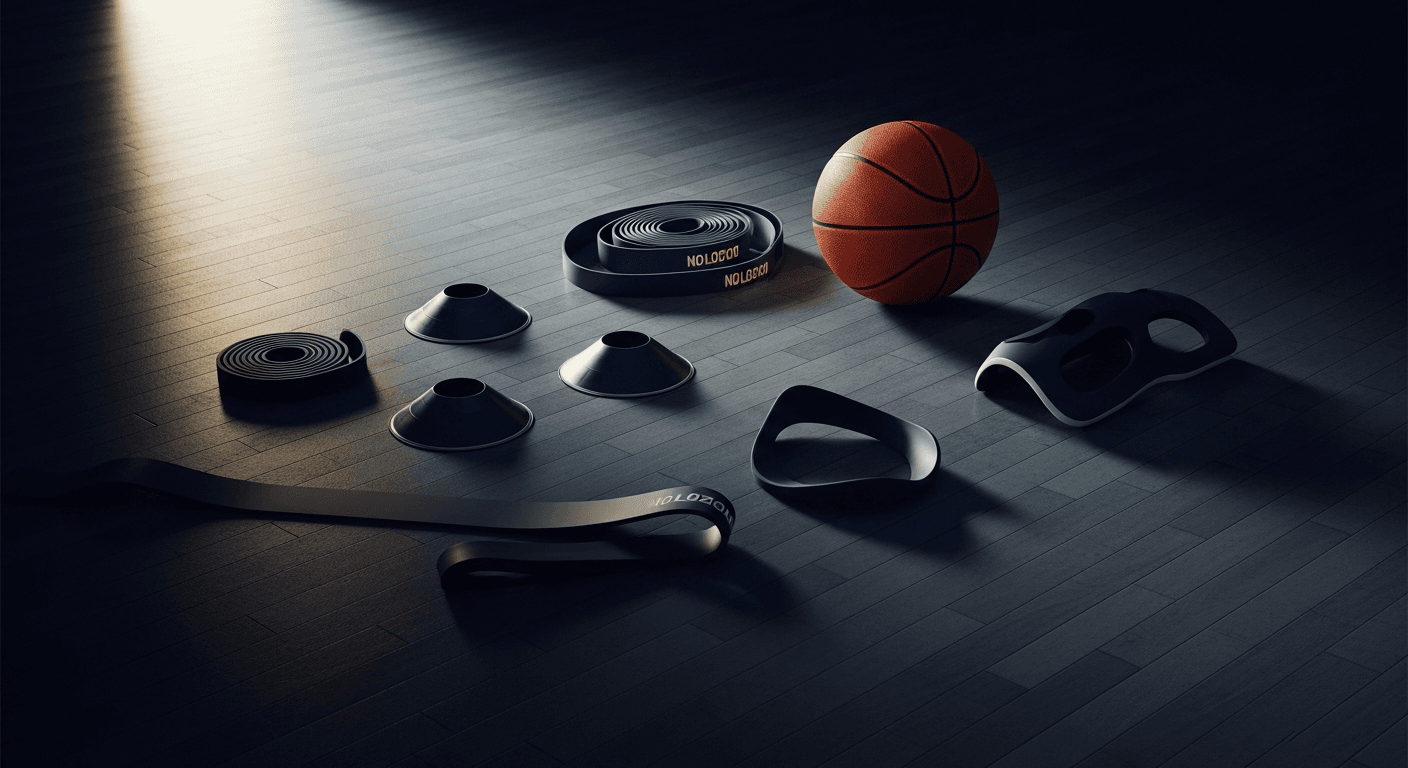
Highest-value training equipment per dollar. A $25-40 set gives hundreds of basketball-specific exercises: resisted defensive slides, resisted jump squats, resisted dribbling. The key is basketball movements, not generic fitness — wrapping a band around your knees during slides trains the exact lateral push-off you use in games.
Buy a set with 3-4 resistance levels. Loop bands for lower body, tube bands for upper body.

SKLZ Resistance Bands Kit — Check price on Amazon
3. Cones (12-Pack Minimum)

SKLZ Agility Cones 12-Pack — Check price on Amazon
Twelve cones and a flat surface covers every ball-handling drill that matters. Cones create decision points that separate mindless dribbling from game-speed skill work. Flat disc cones are better than tall cones for basketball. Cost: $8-15. Best dollar-to-improvement ratio in basketball training.
Intermediate Equipment
4. Basketball Rebounder
Eliminates time chasing rebounds during solo practice. Without a rebounder: ~120 shots in 30 minutes. With one: 200-250. Over a month, that is thousands of additional reps. Mid-range ($200-350) net-based systems outlast cheap spring models.

Spalding Return System — Check price on Amazon
5. Weighted Basketball
A ball 2-3 lbs heavier than regulation builds hand and forearm strength. After 20 minutes of weighted handling, a regulation ball feels lighter and faster. Do not go heavier than 32 oz — it changes your mechanics.
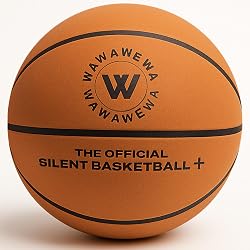
SKLZ Weighted Basketball — Check price on Amazon
6. Agility Hurdles (6-inch)

AD PERFORMANCE Agility Hurdles — Check price on Amazon
Skip the agility ladder. Hurdles at 6-inch height train the flat, explosive foot strike that matches basketball movement. Ladders train high-knee stepping you never use in games. Set them 2-3 feet apart for lateral drills.
Advanced Equipment
7. Driveway Basketball Hoop
The single most impactful investment for consistent improvement. Players with home hoops average 3-4x more practice time per week. When the hoop is 30 feet from your door, 15-minute sessions happen daily.
8. Compression Gear

Nike Pro Compression Shorts — Check price on Amazon
Joint support during play and blood flow during recovery. The recovery benefit between sessions matters most — for daily trainers, recovery speed is the improvement bottleneck.
Equipment That Wastes Money
- Dribble goggles: Elite handlers DO look at the ball using peripheral vision — goggles train an unrealistic constraint
- Reaction lights ($200+): Train reaction to colored lights, not basketball stimuli. Basketball reactions are to movement patterns — a defender hip turn, a cutter acceleration
- Finger gadgets: Basketball needs grip strength (forearms + hands together). A weighted ball trains the right muscles in the right pattern
- Most basketball IQ apps: Film study of real games teaches court reading. Diagram apps teach diagram recognition. Watch real film instead
Quick Reference
The Bottom Line
Frequently Asked Questions
What basketball training equipment should I buy first?
Start with three items: a quality outdoor or indoor basketball ($30-50), a resistance band set with three to four resistance levels ($25-40), and a 12-pack of flat disc cones ($8-15). The total is around $75 and covers the foundation of every drill in our drills hub — from pound dribbles and figure-8s to resisted defensive slides and cone-weave reads. Skip the rubber $20 ball; the difference between rubber and a $40 composite (Wilson Evolution indoor, Spalding TF-500 outdoor) is not marginal — it fundamentally changes how the ball responds, which means how your hand learns to control it.
Is a basketball rebounder worth the investment?
Yes — once you are committed to daily shooting practice. Without a rebounder, a typical 30-minute solo shooting session produces around 120 shots because half the time goes to chasing the ball. With a rebounder, the same 30 minutes produces 200-250 shots. Over a month, that is thousands of additional reps. Mid-range net-based systems ($200-350) outlast cheap spring models, which fail at the spring assembly within a year of regular use. If you are shooting solo less than three times a week, the rebounder is not yet worth the spend; chase rebounds and build the habit first.
Why are agility ladders and reaction lights on the wastes-money list?
Both train movements that do not appear in basketball. Agility ladders train high-knee stepping with a tight, vertical foot strike — basketball uses flat, explosive lateral push-off; the patterns do not transfer. Reaction lights train you to react to colored bulbs flashing on a panel — basketball reactions are to movement patterns like a defender's hip turn or a cutter's acceleration, which look nothing like a colored bulb. The same logic applies to dribble goggles (elite handlers see the ball using peripheral vision; goggles train an unrealistic constraint) and most basketball IQ apps (film of real games teaches court reading; diagram apps teach diagram recognition).
When is a driveway basketball hoop worth the price?
When basketball has become a lifestyle commitment — meaning you would practice daily if the friction was lower. The data the article tracks: players with home hoops average three to four times more practice time per week than players who travel to a gym or park. When the hoop is 30 feet from your door, 15-minute sessions actually happen — and 15 minutes a day, every day, beats two long sessions a week for skill maintenance. Budget $300-800 depending on portability and rim quality. Below that price band, the rim flexes too much for true shot feedback.
Do I need a home setup or is a gym-only practice enough?
Gym-only practice is fine if you can get there four times a week without skipping. The friction problem is real: one missed gym day per week becomes 50+ missed sessions per year, and consistency is the bottleneck on skill development. The minimum home kit (ball, bands, cones — $75) lets you train ball handling, lateral quickness, and conditioning at home on the days the gym is not happening. The driveway hoop is the upgrade that lets the home setup absorb shooting practice too. Build the minimum kit first; add the rebounder once you are shooting daily; add the hoop when daily shooting becomes a habit you cannot break.
Start with a ball, resistance bands, and cones — $75 total. Add a rebounder when committed to daily shooting. Invest in a driveway hoop when basketball becomes a lifestyle. Skip everything that looks impressive on social media but fails the skill-transfer test.
Related guides
喜欢这篇分析?
订阅获取更多类似分析,直达您的邮箱。