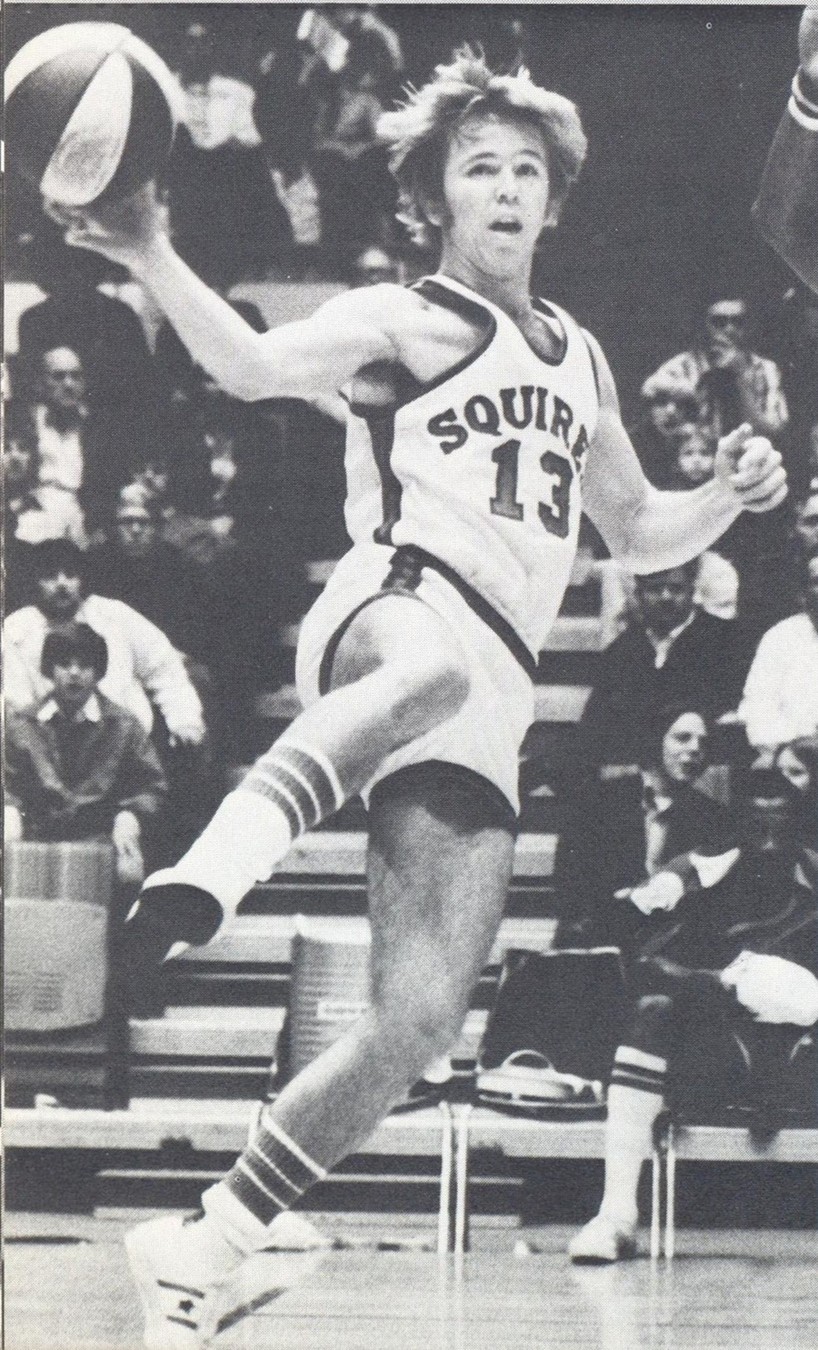
Before Dirk there was Rolando. The silk-smooth shooting guard from Panama City who became the Dallas Mavericks' first true franchise scorer — and the reason number 22 belongs in the rafters.
Brad Davis was there on day one — and stayed for twelve years. The story of why his #15 hangs in the rafters of American Airlines Center is the story of the Dallas Mavericks themselves.
Derek Harper was more than a point guard — he was the soul of the Dallas Mavericks for 14 seasons. Here's why number 12 belongs in the rafters of American Airlines Center.
Nate Thurmond gave the Warriors 11 seasons of elite defensive center play, recorded the NBA's first official quadruple-double, and was inducted into the Hall of Fame in 1985. Here is why #42 belongs in the rafters.
Rick Barry led the Warriors to a stunning 1975 championship sweep, averaged 35.6 PPG in 1967, and shot 89.3% from the free throw line using his famous underhanded technique. Here is why #24 belongs in the rafters.
Chris Mullin spent 13 seasons as a Warrior, anchored the Run TMC era, played on the Dream Team, and became a Hall of Famer through skill and work ethic alone. Here is why #17 belongs in the rafters.
Al Attles gave the Warriors eleven seasons as a player, 14 years as head coach, and a championship in 1975. More than six decades of loyalty to one franchise. Here is why #16 belongs in the rafters.
Tom Meschery gave the Warriors six seasons of physical, committed basketball during the transition from Philadelphia to San Francisco — and wrote poetry on the side. Here is why #14 belongs in the rafters.
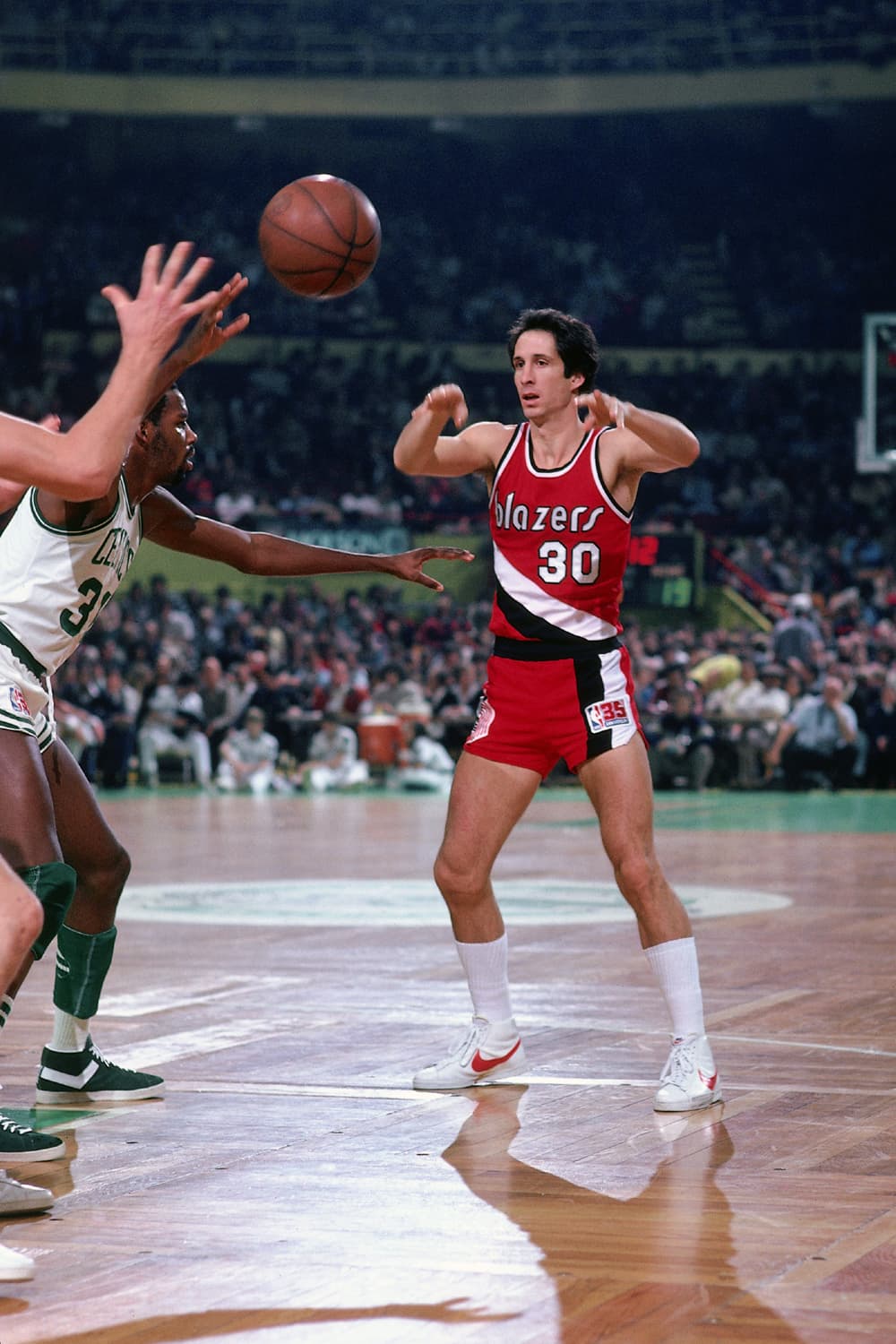
Before steals were a glamour stat, Larry Steele led the entire NBA in them. He was Portland's first defensive icon and one of the original Trail Blazers.
Wilt Chamberlain averaged 50.4 points per game as a Warrior. The 100-point game, the 55-rebound game, and every major scoring record happened in a Warriors uniform. Here is why #13 belongs in the rafters.
Bob Gross was Portland's defensive secret weapon in 1977 — the player who held Julius Erving in check and helped deliver the only championship in franchise history.
Walter "The Greyhound" Davis defined Suns basketball for over a decade. Here's why Phoenix immortalized #6 in the rafters of what is now the Footprint Center.
Geoff Petrie co-won NBA Rookie of the Year in 1971, averaged 24.8 points per game at his peak, and became the standard for Trail Blazers excellence before injuries ended his career at 28. Why #45 is the first great number in Rip City history.
Jack Ramsay coached the Trail Blazers for ten seasons, won the 1977 NBA Championship, and built a team-first philosophy that became the foundation of Rip City basketball. Here's why a coach's number belongs in the rafters.
Terry Porter was Portland's floor general for eleven seasons — two All-Star appearances, two Finals runs, and 15+ points per game from a Division III guard who was never supposed to make it this far. Here's why #30 belongs in the rafters.
Maurice Lucas averaged 20.3 points and 10.3 rebounds in the 1977 NBA Finals, providing the physical dominance that allowed Bill Walton to be Bill Walton. His #20 honors the enforcer who turned Portland into champions.