本页面包含联盟链接。如您通过这些链接购买,我们可能获得佣金,对您无额外费用。 As an Amazon Associate I earn from qualifying purchases.
Defense is the fastest path to playing time at every level — from pickup games to organized leagues. Coaches trust defense before they trust offense because defensive effort is immediate and visible. A player who locks down their matchup earns minutes even if their shot is not falling.
Related: Basketball Defensive Footwork: Guard Anyone 1-on-1
Unlike shooting (which takes months to noticeably improve), defensive improvement shows results within 2-3 weeks of focused practice — footwork, positioning, and anticipation respond quickly to deliberate work. This guide covers the drills that produce those results: slide circuits for staying in front of ball handlers, closeouts for guarding shooters without flying by, the 1-on-1 deny drill for shutting down wing entries, and the 4-on-4 shell drill for help defense and team rotations. Every drill includes the specific game situation it prepares you for, plus a 15-minute solo workout you can run at home with cones and a wall.
Defensive Stance Fundamentals
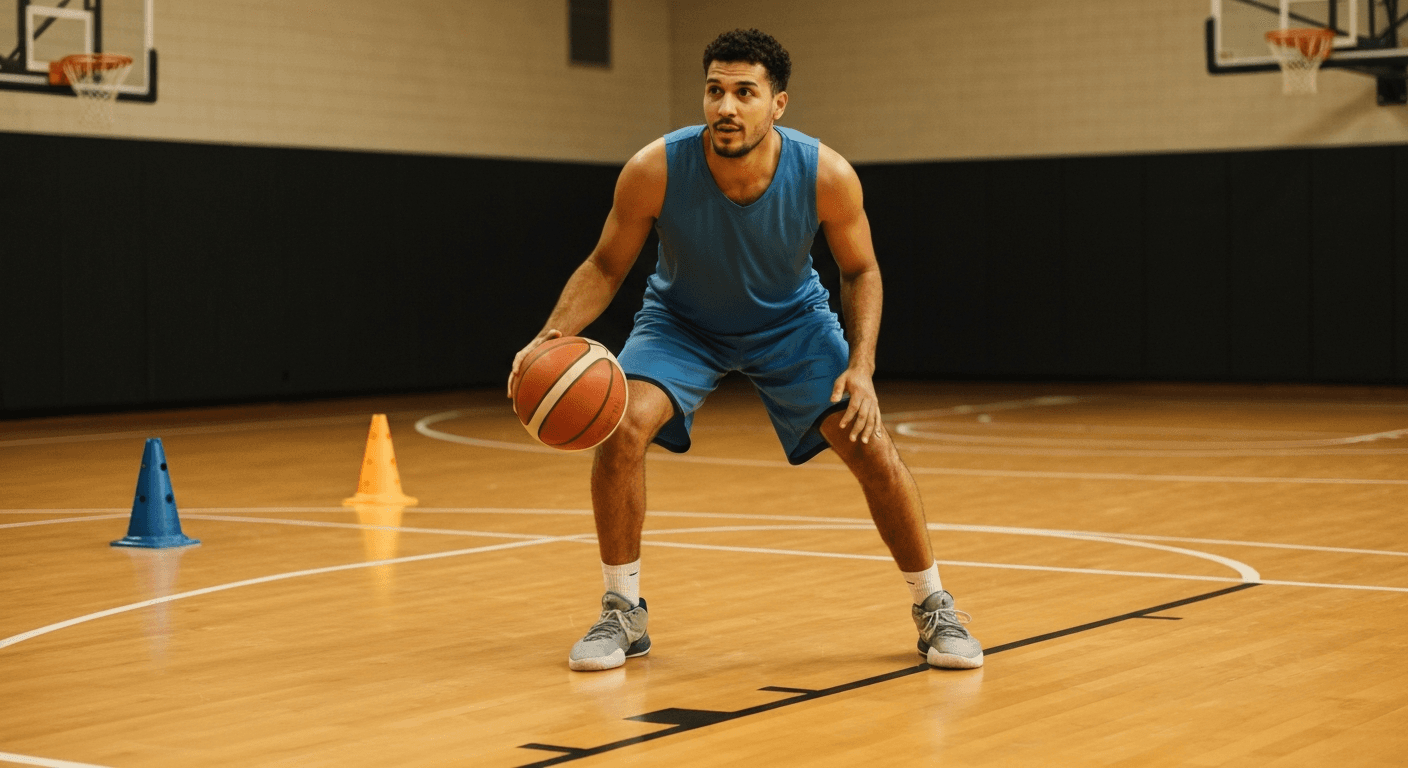
Everything starts with stance. A bad defensive stance means slow reactions, poor balance, and easy blow-bys. A correct stance means you can move in any direction within one step.
- Feet: Wider than shoulder width, slight stagger (one foot slightly ahead)
- Knees: Bent — your thighs should feel it. If your legs do not burn within 30 seconds, you are standing too tall
- Hips: Low, butt back, center of gravity between your feet
- Hands: Active, one hand tracing the ball, the other in the passing lane
- Eyes: On the offensive player's waist — not the ball, not the eyes, not the feet. The waist cannot fake you because it moves with the player's center of gravity
USA Basketball Coach Development materials reinforce the waist-tracking cue as a Stage-2 fundamental in their Player Development Curriculum: coaches at every level teach it before any individual drill work begins. The stance precedes the slide — stance is what makes the slide possible.
Individual Defensive Drills
Defensive Slide Circuits
Game transfer: Staying in front of ball handlers, closeouts, help-and-recover
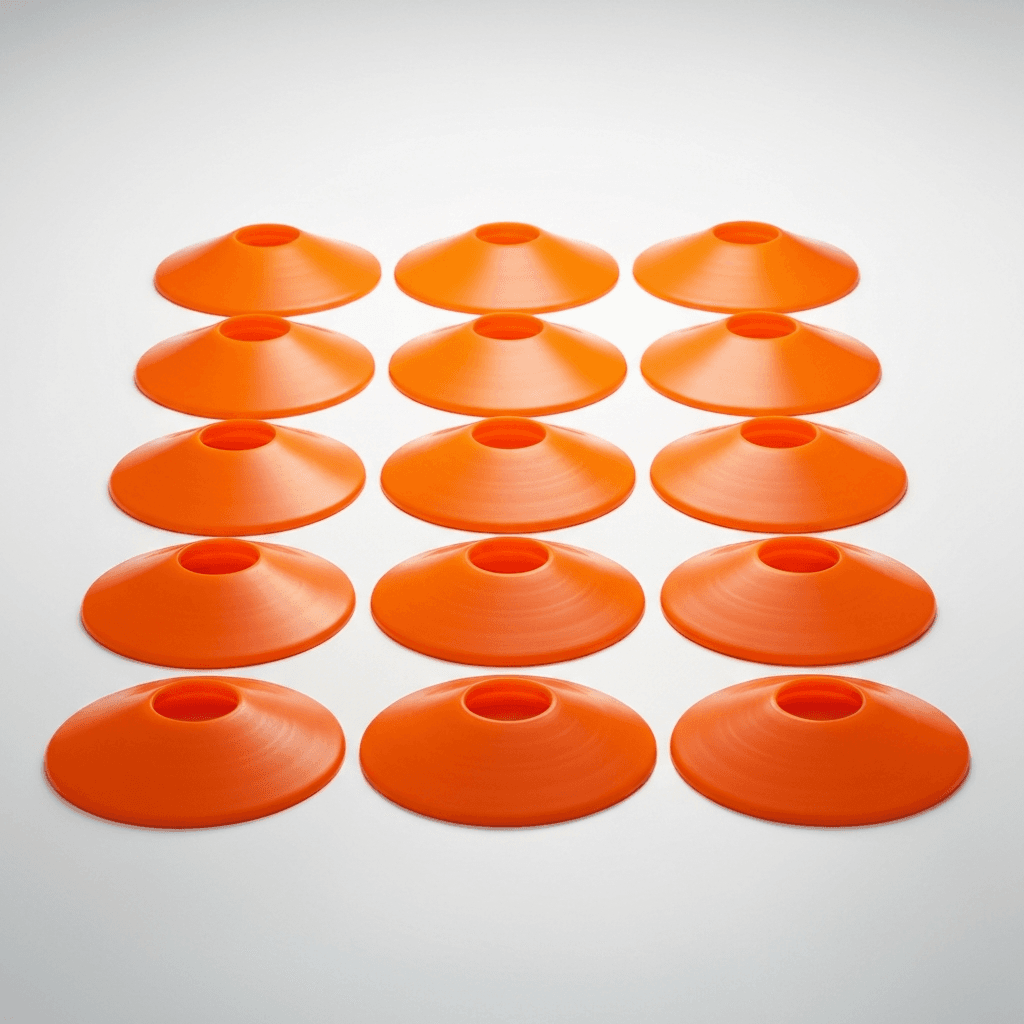
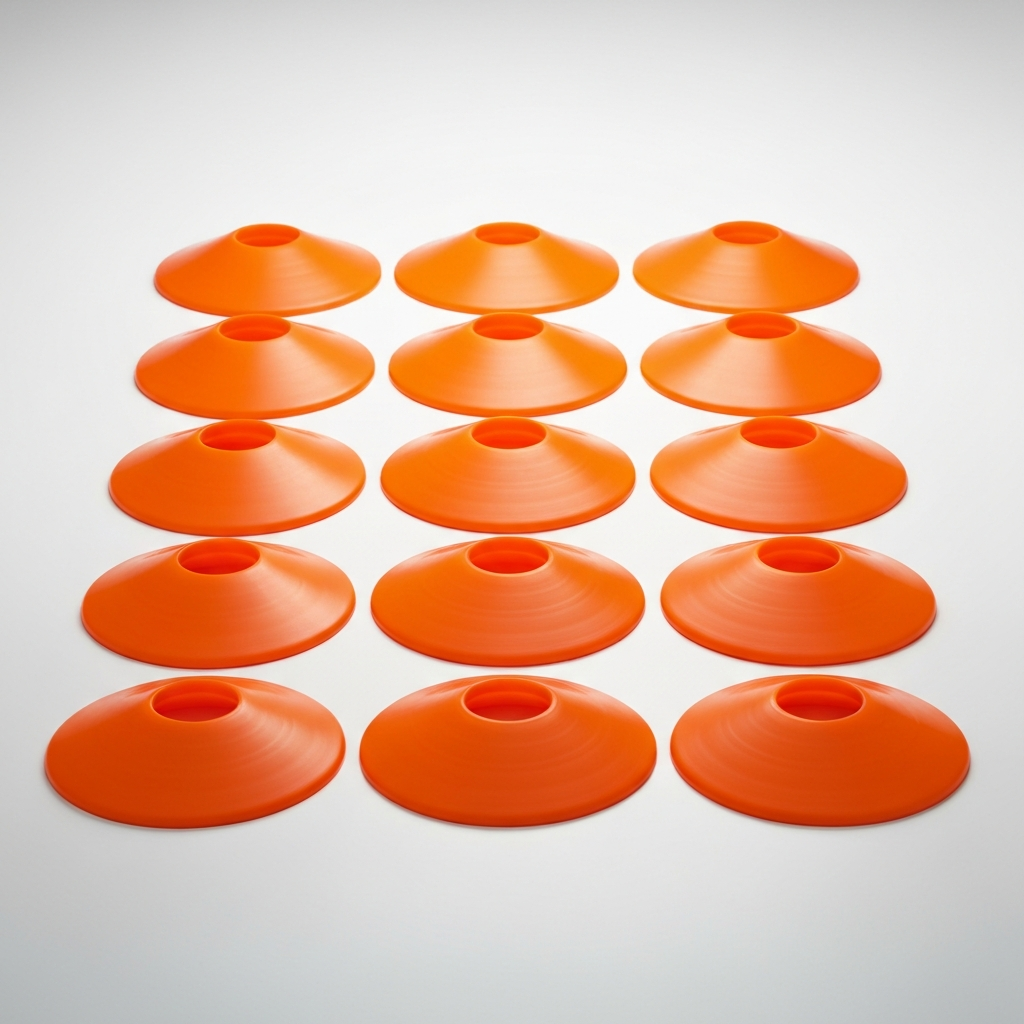
Set 4 cones in a square (10 feet apart). Defensive slide cone-to-cone around the square. Stay low the entire time. Never cross your feet. Push off the trailing foot — do not step with the lead foot first (that is walking, not sliding). Two circuits, 30-second rest, repeat 4 times.

Progression: Week 1-2: controlled speed. Week 3-4: game speed. Week 5+: add a ball — dribble while sliding (simulates guarding a ball handler while maintaining stance).
Closeout Drill
Game transfer: Closing out on shooters without flying by
Start at the paint. A cone at the three-point line represents the shooter. Sprint three-quarters of the distance, then chop your feet (short, choppy steps) for the last quarter. Arrive with a hand high, feet balanced, ready to slide if the shooter drives. The chop is the entire skill — your braking system, named explicitly in USA Basketball's Coach Development materials as the distinction between a closeout and an over-pursuit. Without it, pump fakes will beat you every time.
Common mistake: Arriving at full speed with momentum carrying you past the shooter. In a game, this means an open drive to the basket. Practice the chop until it is automatic.
1-on-1 Deny Drill
Game transfer: Denying the wing entry pass in half-court defense
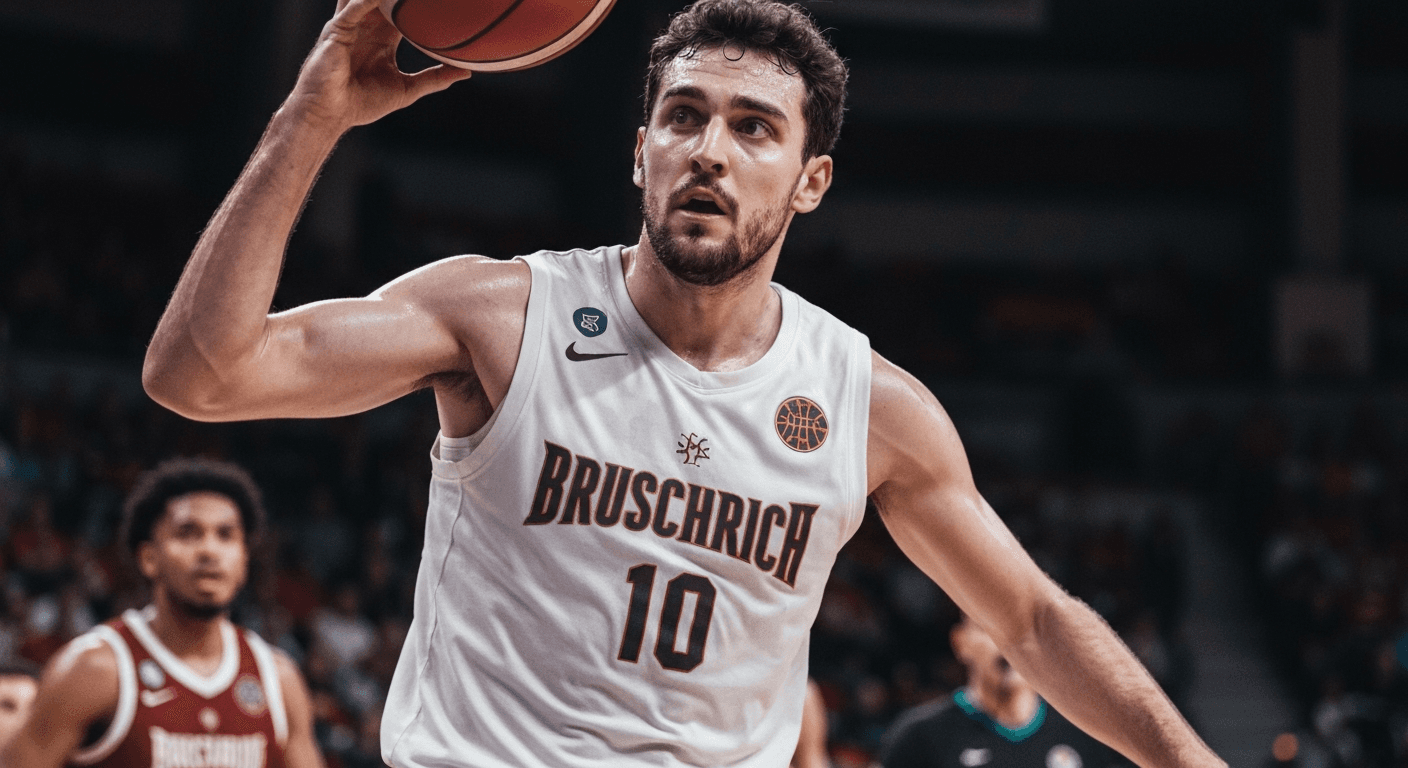
Offensive player at the wing, you in deny position (one arm in the passing lane, body between the ball and your man). The offensive player tries to get open for the catch using V-cuts, back-cuts, and fakes. You maintain deny position for 15 seconds. If they catch, the rep resets. 5 reps each side.
This drill builds the specific footwork and body positioning that prevents easy catches — which is where most defensive possessions are lost before they even start.
Team/Partner Defensive Drills
Shell Drill (4-on-4)
Game transfer: Help defense, rotations, communication
4 offensive players around the three-point line. 4 defenders. The ball moves around the perimeter — no dribbling, just passing. Defenders must jump to the ball on every pass, gap when two passes away, and communicate switches. No scoring — just 30 seconds of perfect rotations. Reset on any breakdown.
Why it matters: Individual defense keeps your man in front of you. Team defense prevents easy baskets for the entire opponent. Shell drill builds the habits — help positioning, close-outs, recovery — that make team defense function.
Zig-Zag Drill
Game transfer: Full-court press defense, guarding in the open court
Ball handler dribbles baseline to baseline in a zig-zag pattern (driving at 45 degrees, changing direction at the sideline). Defender mirrors in defensive stance, forcing the ball handler to change direction. No reaching — just feet and positioning. 2 trips down and back.
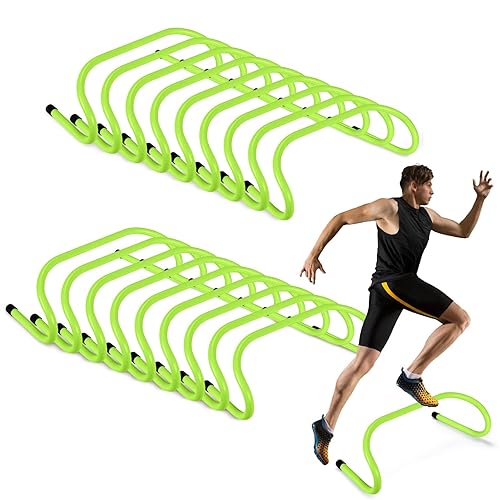
Solo Defensive Workout (15 Minutes)
| Drill | Duration | Focus |
|---|---|---|
| Defensive stance hold | 2 min (30s on, 10s rest) | Leg endurance |
| Slide circuits (4 cones) | 4 min | Lateral speed |
| Closeout drill (5 spots) | 3 min | Approach + balance |
| Backpedal-to-sprint | 3 min | Transition defense |
| Lateral band walks | 3 min | Hip strength |
Frequently Asked Questions
How long does it take to improve at basketball defense?
Most players see noticeable defensive improvement within 2-3 weeks of focused practice — significantly faster than shooting, which typically requires months. The reason: defensive skills (footwork, positioning, anticipation) respond to deliberate work in shorter windows than mechanical skills like shooting form. The drills in this guide are calibrated for that 2-3 week window.
What is the correct defensive stance in basketball?
A correct defensive stance has feet wider than shoulder width with a slight stagger, knees bent (thighs should feel it within 30 seconds), hips low with center of gravity between your feet, hands active (one tracing the ball, one in the passing lane), and eyes on the offensive player's waist — not the ball, eyes, or feet. The waist moves with the player's center of gravity and cannot fake you. Per USA Basketball Coach Development, this is a Stage-2 fundamental.
How do you guard a faster player one-on-one?
Use the slide circuits drill in this guide to build the lateral speed and never-cross-your-feet discipline that lets you stay in front of quicker matchups. The mechanic is push-off: always push off the trailing foot, never step with the lead foot first (which is walking, not sliding). Combine that with the 1-on-1 deny drill to make the catch itself harder — most defensive possessions against faster players are lost before the catch even happens.
How do you close out on a shooter without flying by?
The chop is the entire skill. Sprint three-quarters of the distance from your help position to the shooter, then chop your feet — short, choppy steps — for the last quarter. Arrive with a hand high and feet balanced, ready to slide if they drive. USA Basketball's Coach Development curriculum names the chop as the braking system that distinguishes a closeout from a sprint.
What is the shell drill in basketball?
The shell drill is a 4-on-4 team defense drill that builds help-and-recover habits. Four offensive players space around the three-point line; four defenders match up. The ball moves around the perimeter (passing only, no dribbling) and defenders must jump to the ball on every pass, gap when two passes away, and communicate switches. Run for 30 seconds of perfect rotations; reset on any breakdown. It is the foundational team-defense drill at every level from high school to NBA training camps.
For the complete practice framework, see Basketball Drills Practice Guide. For shoes that support the lateral movement in defensive drills, see Best Basketball Shoes 2026.
Related guides
喜欢这篇分析?
订阅获取更多类似分析,直达您的邮箱。